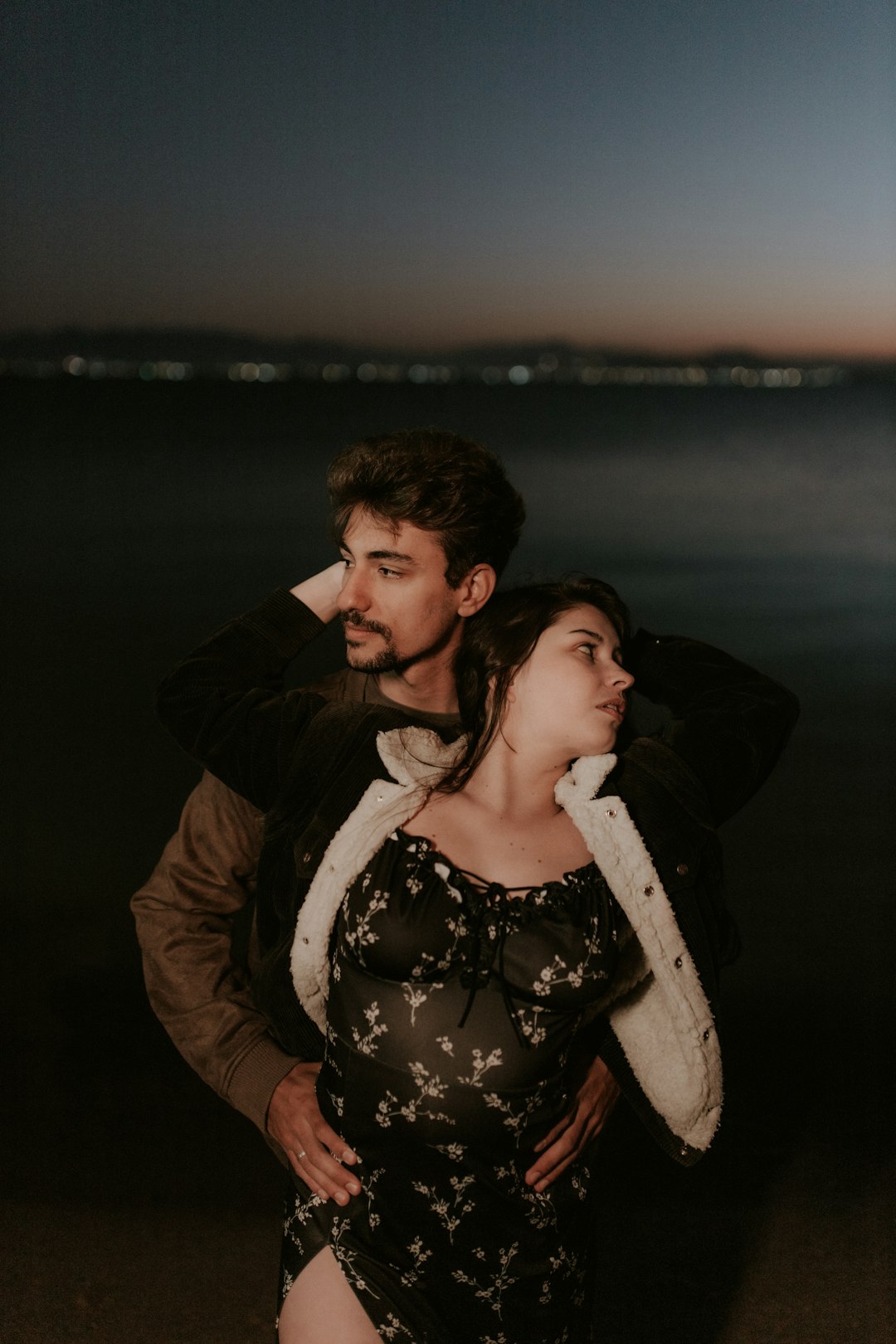
My abuela used to say the dress makes the dancer, not the other way around.
She wasn't talking about fashion shows or sequined costumes you'd see on competition stages. She meant something rawer — the kind of outfit that lets you disappear into the music until your body forgets it's wearing anything at all. I didn't understand what she meant until I watched her dance cumbia at my cousin's wedding in Bogotá, twenty years into her marriage, moving like she'd never left the village square.
That's the standard. Your dancewear should feel like that.
---
Beyond the Dance Floor: Why Cumbia Outfits Matter More Than You Think
Most dancers treat dancewear like an afterthought. They grab whatever's stretchy, move through their routines, and wonder why they keep adjusting their waistband mid-spin or overheating two songs in.
Here's the uncomfortable truth: cumbia isn't a gentle dance. The hip rotations, the quick weight shifts, the circular footwork that pulls your whole body into the rhythm — it demands everything from your outfit. Loose threads catch on hands. Cheap elastic snaps mid-performance. Synthetics trap heat and turn a flowing movement into a swamp.
I've seen cumbia groups in competitions where half the dancers are visibly distracted by their own clothes. That's not a style problem. That's a trust problem. You're trusting your outfit to move with you, and it isn't.
---
What Functional Cumbia Dancewear Actually Looks Like
Skip the marketing language. When cumbia dancewear works, you notice the dancer — not the dress.
The fabrics that actually hold up: a four-way stretch that moves when you move and snaps back when you stop. Think rayon-blends, quality spandex, even cotton-Spanish mixes that breathe in ways polyester can't. The test is simple — grab the fabric, stretch it hard in any direction. If it fights back smoothly, it works. If it thins out or loses shape, put it down.
Moisture management isn't optional in cumbia. Those continuous hip movements generate heat fast. A good fitted top or flowing skirt wicks sweat outward instead of trapping it against your skin. You'll know the difference within thirty seconds of your first turn.
The cut has to account for the signature cumbia isolation — shoulders independent from hips, hips independent from ribs. Anything that pinches or gaps during those rotations is wrong for the dance, no matter how it looks standing still.
---
Finding Your Cumbia Style Without Losing the Culture
Cumbia wear has roots. Ignoring that in favor of generic athletic wear is a mistake. Ignoring it in favor of costume-y pastiche is worse.
The sweet spot: modern cuts that honor the tradition underneath.
Color is where you can be braver than you think. Cumbia's visual vocabulary runs deep — the red and black of Valle del Cauca, the earth tones of the Andean coast, saturated prints that catch light during turns. These aren't decorative choices. They're cultural ones, and dancers who understand the dance can feel the difference when those colors are absent.
Traditional embellishment — the beadwork, the embroidery, the hand-stitched details that take hours — that's where authenticity lives. But you don't need a fully adorned traje to dance well. A simple piece with the right proportions and the right energy says enough.
The dancers who get this right aren't the ones wearing the most elaborate outfits. They're the ones wearing outfits that disappear the moment the music starts.
---
A Note on the Real Performers
If you want to see what cumbia dancewear looks like when it actually works, don't start with Google. Start with YouTube footage of cumbia bailes in Cali — the actual performance groups, not the competition showcases.
Watch the difference between how the fabric moves when a dancer hits a canelo versus how it moves on someone who's just learned the steps. The outfit isn't passive. The right one amplifies everything.
Then ask yourself: does what I'm wearing let me disappear into the dance?
If the answer isn't yes, it's time to try something new.