---
The Night I Nearly Quit
I still remember the night I walked into my first salsa social wearing what I thought was the perfect outfit—a loose cotton tee and yoga pants. Comfortable, right? Wrong. Within ten minutes, I was overheating, my shirt was riding up during turns, and I looked so far out of place that three different people asked if I was lost.
My teacher pulled me aside during a break. She didn't say anything about my technique (which, honestly, needed more help than any outfit could fix). She just looked at me and said, "You can't dance like you mean it when you're fighting your own clothes."
That comment wrecked me. And it completely changed how I think about what I wear to dance.
---
What Nobody Tells You About Latin Dance Fashion
Here's the thing nobody writes about in those generic "outfit tips" articles: the right clothes don't just make you look good. They make you feel like a different dancer.
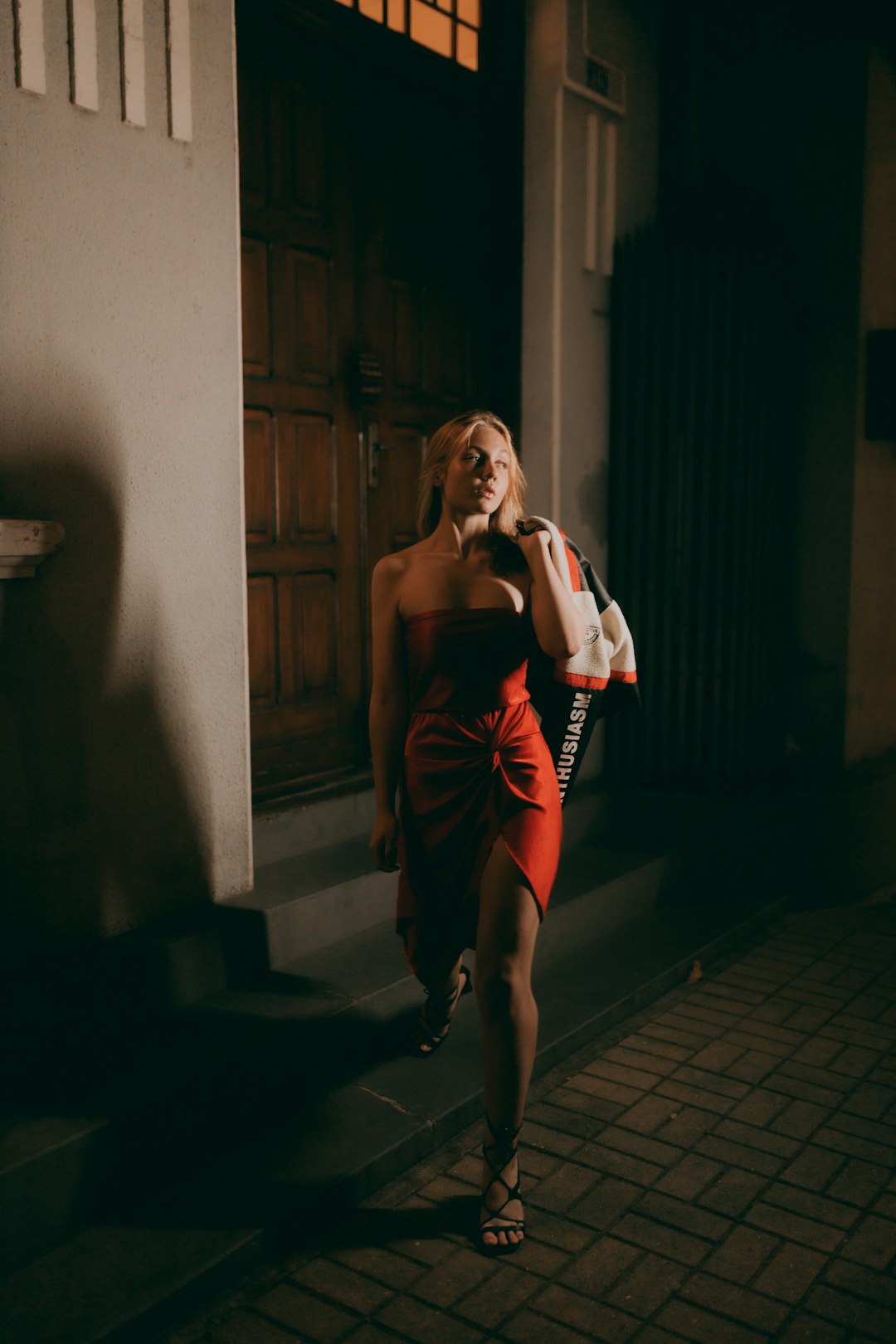
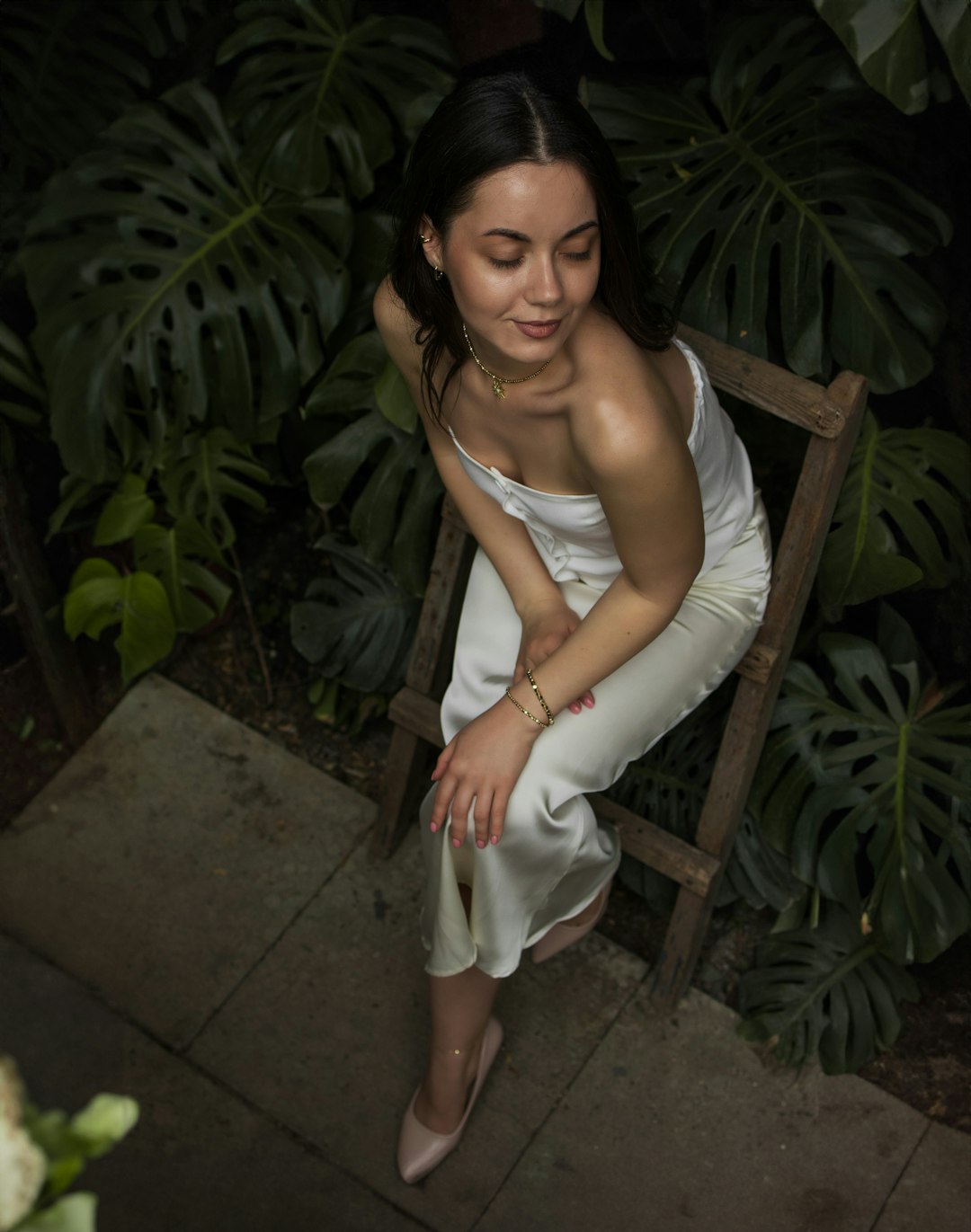
When I finally invested in a proper salsa dress—fitted through the torso, with a slit that let me move freely—I didn't suddenly become a better dancer. But something shifted. I stood taller. My arm lines were crisper. I stopped thinking about my outfit halfway through a song and actually started feeling the music.
That night I got my first solo turn to applause.
---
The Fabric Reality
Let's get practical, because this matters more than most dancers realize.
Latin dance means movement. Fast, sharp, full-body movement. You're not standing around looking pretty—you're generating heat, stretching through choreography, and sometimes sweating in places you didn't know could sweat.
Cotton? Beautiful for yoga. Terrible for rumba. It absorbs moisture, loses shape, and becomes heavy when you need to be light.
What actually works: four-way stretch fabrics that move with you. Think performance lycra, nylon-spandex blends, or that silky satin that somehow manages to look glamorous while somehow also being functional. The fabric should snap back into place after you stretch, not hang loose and sag.
The other non-negotiable: breathe. You need something that lets air circulate. A dress that looks stunning but leaves you gasping by song two isn't doing its job.
---
Color and Confidence
I'll admit it—I spent years hiding in black. Safe, slimming, easy. And completely wrong for Latin dance.
The dance floor is a stage. Under lights, dark colors disappear. You become a silhouette, and honestly, silhouettes don't sell tickets or make judges lean forward.
Bold colors tell a different story. Deep reds that blur into motion. Gold that catches every turn. Royal blue so vivid it looks like it's lit from within. These aren't just aesthetic choices—they're strategic ones.
That said, I'm not saying you need to dress like a competition finalist every time you go out. A simple fitted top in a vibrant coral can be just as powerful as a fully beaded dress. The key is color presence—choosing something that makes you feel like you belong in the spotlight, not like you're watching from the sidelines.
---
The Silhouette Question
Here's where opinion gets heated: how much skin should you show?
The honest answer? Exactly as much as makes you feel fierce.
Some dancers thrive in flowy skirts that flutter on spins. Others feel most powerful in sleek, body-conscious cuts that show every line of their movement. I've watched incredible dancers in everything from full-length ruffled dresses to cropped tops and leggings—the outfit didn't make them great, but it matched them.
The one rule I'd give: whatever you choose, it should accentuate the parts of your body you use most in Latin dance. Your arms need to be free. Your hip action can't be restricted. Your legs need to be visible so you can check your footwork without a mirror.
Fit matters more than flash. A simple black dress that fits perfectly will out-perform a sequined nightmare that's two sizes too small.
---
Accessories: The Devil's Bargain
Sequins, beads, fringe, crystals—Latin dance loves embellishment. And for good reason. Movement + light = magic.
But I've seen dancers so weighted down by their accessories that they couldn't lift their arms properly. I've watched fringe catch on partners' hands mid-turn. I've witnessed a beautiful performance derailed by jewelry that jingled louder than the music.
My rule: accessories should enhance movement, not interrupt it. A subtle crystal trim catches light without adding weight. Lightweight earrings add personality without becoming a liability. If you need to adjust something during a song, it's too much.
One piece of advice I'd actually suggest for once: try on your full outfit—including shoes, hair accessories, and whatever jewelry you're considering—and dance in it. Full out, for at least a full song. If anything pings, pulls, jingles, or falls off, you've found your problem before it found you on the dance floor.
---
Different Floors, Different Rules
I'll keep this one short because it matters less than people think.
Yes, competition costumes differ from social dance attire. Yes, salsa tends toward playful while ballroom leans formal. But here's what I've learned: the most important thing is that you feel confident.
Show up to a social in a competition-style dress? You might get compliments. Show up in jeans because that's what you wore last week? You'll get the same gentle "maybe try something else" looks I got that first night.
The real dress code is simple: look like you care. Look like you're here to dance. Look like you belong.
---
The Thing About Dancing Like You Mean It
My teacher was right, all those years ago. You can't fully inhabit a dance when you're fighting your clothes. But here's what she didn't say, what I had to figure out myself:
You also can't fully become a dancer until you stop caring so much about what you're wearing.
Because at some point—and this happened to me around year three—the outfit stops mattering. You stop checking yourself in mirrors. You stop adjusting your hemline between songs. You stop performing appearance and start just... dancing.
That's when the real transformation happens.
Until then? Get something that fits, in a color that makes you smile, and get out there. The floor is waiting.