---
I still remember the first time I showed up to a swing dance in jeans and a cotton t-shirt. I thought I'd be fine. I was there to dance, not to win a fashion show. But twenty minutes in, my shirt was stuck to my back, my jeans were bunching at the knees, and I couldn't complete a full turn without tripping over my own pant leg. Meanwhile, this woman in a vintage wrap dress was spinning effortlessly, her dress moving with her like it read her mind.
That's when it hit me: what you wear actually changes how you dance.
The Fabric Thing Nobody Talks About
Cotton feels great on a couch. That's about where its usefulness ends for swing dancing. Once you start sweating—and you will—cotton turns into a damp second skin that clings and restricts. What you need is fabric that moves with you, not against you.
Look for blends with some stretch. A little spandex or elastane goes a long way—enough to give, not enough to stretch out of shape. Polyester blends hold up wash after wash, which matters because you'll be doing laundry more often than you think. The breathable synthetic stuff keeps you cool when the room heats up and the dancing gets serious.
Channeling Your Inner Vintage Soul
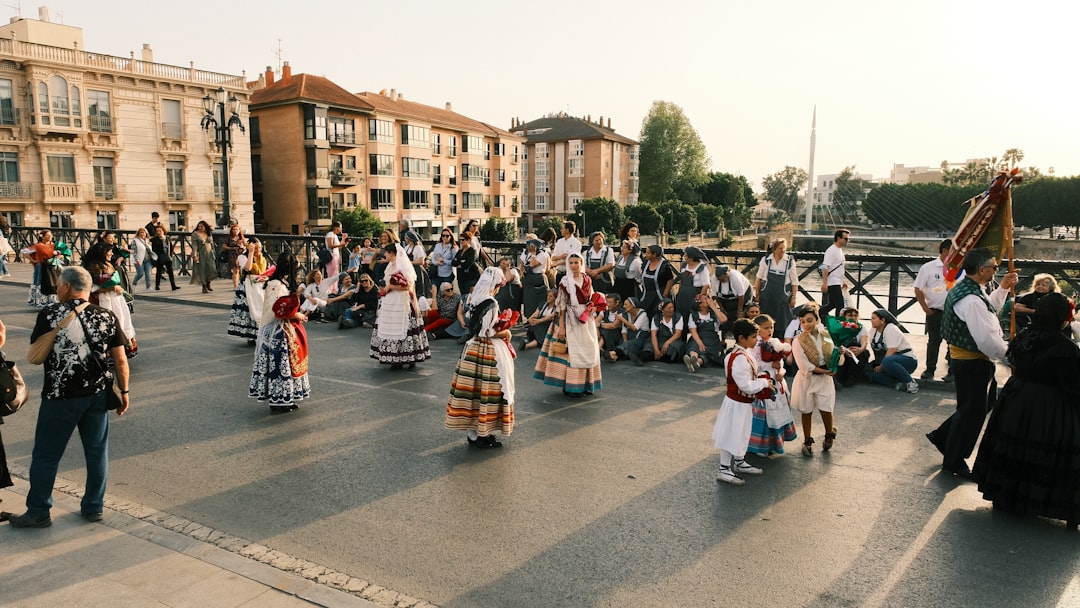
Here's the thing about swing—it carries history in its bones. The dance came from the 1930s and 40s, and there's a reason dancers still dress the part. It's not about costume theater. It's about feeling the era.
That doesn't mean you need a flapper dress or suspenders if that's not you. But there's something about high-waisted pants that make certain moves feel cleaner, or a dress with movement that follows you through turns. Find what makes you feel like you belong in that era without looking like you're wearing a Halloween costume. A simple button-down, a great pair of trousers, something classic—it works.
Shoes Are the Dealbreaker Nobody Prepares You For
I learned this the hard way on a wooden floor in slippery flats. I did a perfect spin—my foot kept going. I slid right into another dancer. Embarrassing? Absolutely. Educational? Cheap soles on the wrong floor will teach you things the hard way.
Hardwood and smooth concrete want leather or suede soles. They grip when you need grip and slide when you want slide. Carpet is the opposite—it's too grippy, so you need slicker soles to move freely. If you're serious about this dance, your first upgrade should be dance shoes or at least soles made for movement.
Fit as a Movement Question
This seems obvious, but you'd be stunned how many people show up in clothes that physically limit what they can do. Too tight and you can't extend. Too loose and you're dealing with fabric that trips you or falls down in lifts.
Your clothes should feel like they're barely there—not a second skin, not a tent. When you raise your arms, your shirt should follow without riding up. When you kick, your pants should allow it. Movement is the test. Try things on and actually move in them.
Accessorize Like It's Functional
Hats are cute until you're doing a pass-by and your partner catches yourbrim. Necklaces find creative ways to strangle you mid-spin. Scarves become whips.
Keep accessories minimal and secure. Small studs, not dangling earrings. A bandana instead of a silk scarf that'll fly at the wrong moment. If it moves freely on your body, it'll move freely during dance—probably not in a way you want.
Colors That Want to Dance
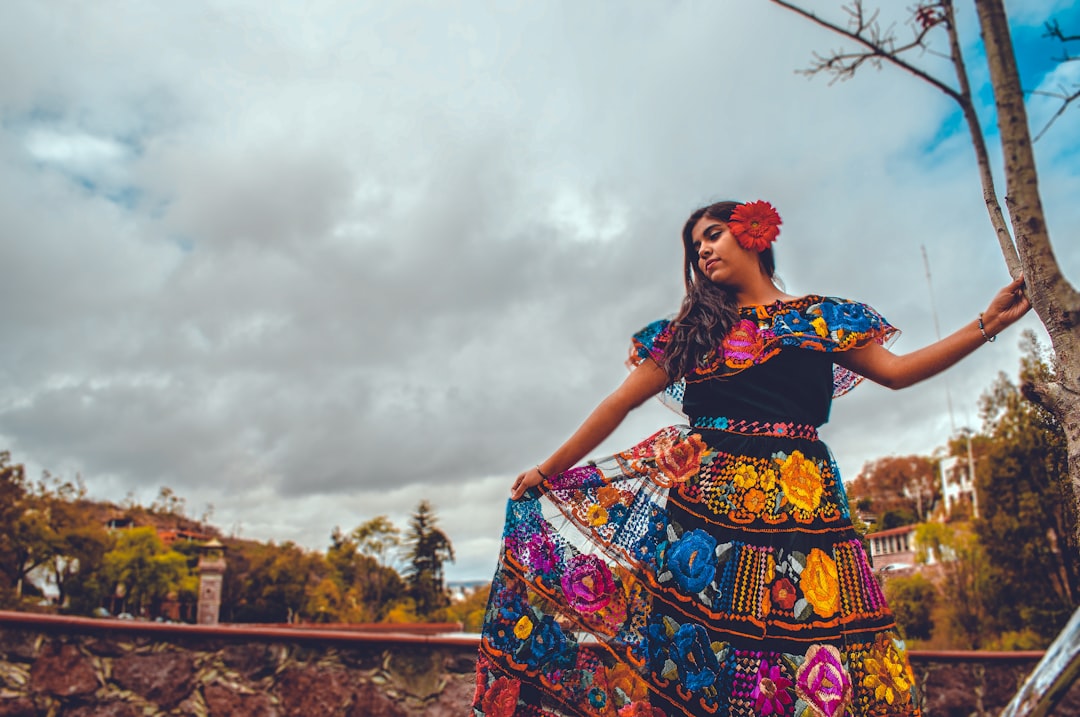
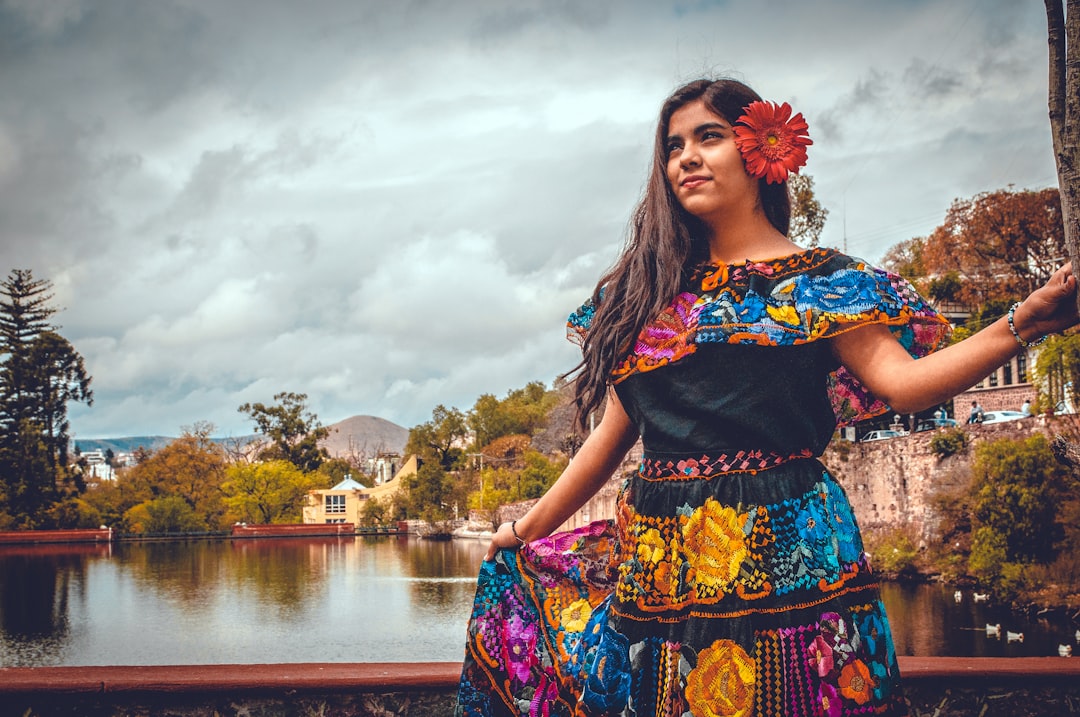
Swing is bold. The music is loud, the movement isbig, and there's something deeply satisfying about adding to that energy with color and print. But here's the quiet truth—coordinate with your partner so you're not clashing. One bold piece is enough between two people.
You don't have to go full vintage print. A solid color that pops works. A subtle pattern works. But don't hide. This dance doesn't reward wallflowers in neutral clothing.
What You Actually Get for Quality
Cheap clothes havecheap seams. They sag, they fade, they tear. A well-made piece from a dance store—one designed for actual movement—lasts years. It performs. It breathes better. It looks better after fifty dances than cheap stuff looked after five.
The math is simple: spend more once or replace repeatedly. Your wallet will thank you either way, but your closet will show the difference.
The Only Style Guide That Matters
Dance in what makes you feel like yourself. Classic vintage, modernminimal, fullpattern—doesn't matter. What matters is confidence. When you feel good in what you're wearing, it shows in your movement, your posture, your willingness to try that thing you've been avoiding.
Here's the real secret: the best dancers aren't wearing the trendiest things. They're wearing what lets them dance like nobody's watching—and that's because they're too busy actually dancing to care what anyone thinks.
Go find your outfit. The floor is waiting.