The Moment Everything Changed
I still remember my first performance costume—a bedazzled bra top I'd ordered online that looked nothing like the photos. The beads were already falling off when I pulled it from the package. But I wore it anyway, tucking loose sequins into my skirt waistband between songs, praying nothing else would detach mid-shimmy.
That night taught me something no class ever had: your outfit isn't just decoration. It's your partner in the dance. When it works, you forget you're wearing it. When it doesn't, every movement becomes a negotiation.
Start With One Question
Before you fall down the Pinterest rabbit hole of beaded fringe and coin belts, ask yourself: Where am I actually wearing this?
A stage costume and a practice outfit serve completely different purposes. That gorgeous Turkish bra with the cascading fringe? Perfect for spotlight performances where every hip drop needs to read from the back row. But try wearing it through a two-hour workshop, and you'll understand why experienced dancers own multiple outfits for different contexts.
For classes and practice, cotton blends and stretchy knits become your best friends. They breathe, they move with you, and—this matters more than you'd think—they don't sound like you're carrying loose change every time you transition between poses. Save the loud hip scarves for moments when you want the audience to hear every isolation.
The Fit Test Most Dancers Skip
Here's something I learned the hard way: your costume needs to survive your most dramatic moment, not just your most flattering pose.
Try this before committing to any performance piece. Put it on, crank up your most challenging song, and dance the entire thing. Not just the pretty parts—the floor work, the spins, that one transition where you drop into a deep lunge. If your bra shifts, your skirt catches under your heel, or your hip scarf slowly migrates toward your knees, you've got a problem.
Great belly dance costumes should feel like they're moving with you, not against you. That means bras with secure closures (test the hook strength—seriously), skirts hemmed to clear your ankles, and hip scarves that tie firmly without cutting into your hips.
Fabric Choices That Actually Make Sense
The right material does half the work for you.
Chiffon and georgette create those dreamy, floating effects when you spin. They're light enough that you won't overheat under stage lights, and they photograph beautifully. But they're also delicate—I've seen too many gorgeous skirts get snagged on belt buckles or jewelry during quick changes.
For pieces you'll wear frequently, polyester blends and silk alternatives hold up better. They still drape well, but they won't disintegrate after their third wash. Cotton works beautifully for practice clothes because it absorbs sweat and keeps you cool. Bamboo blends offer similar benefits with an even softer feel against your skin.
One detail that often gets overlooked: how the fabric catches light. Matte materials look flat under stage lights, while fabrics with slight sheen reflect the spotlight and make your movements more visible to the audience.
Your Style Is Your Signature
The most captivating dancers I've seen don't necessarily wear the most elaborate costumes. They wear pieces that feel like them.
Traditional Egyptian styles with their rich embroidery and flowing silhouettes connect to the dance's roots. Turkish cabaret looks bolder and more revealing, with dramatic cutouts and heavy beading. American Tribal Style blends influences from across the Middle East and beyond, often featuring layered skirts and tassel belts in earthy colors.
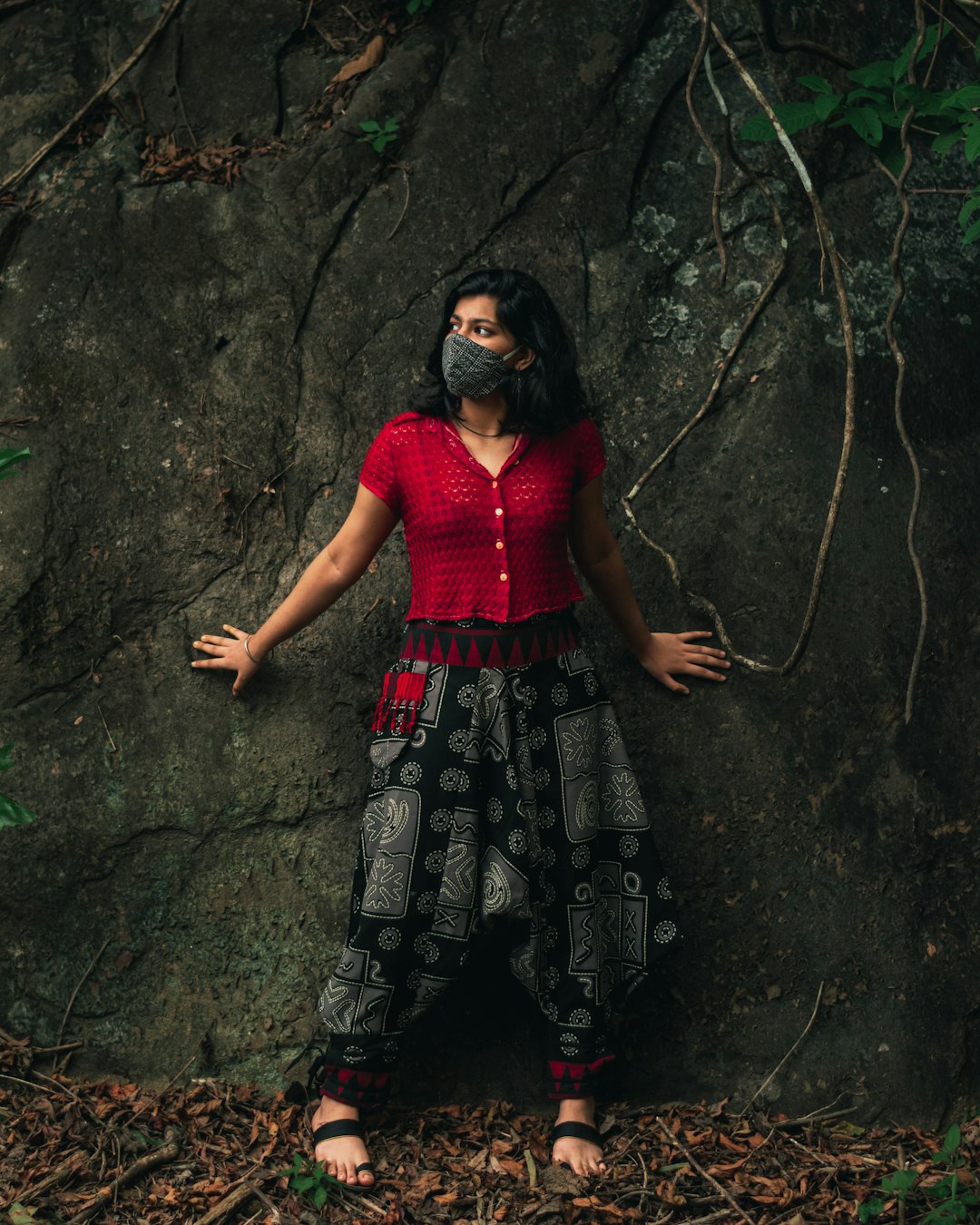
But some of the most memorable performances I've witnessed came from dancers who broke convention. One dancer paired a classic black bra and belt set with oversized ethnic jewelry and loose, flowing pants instead of a skirt. Another performed in a simple fitted dress with strategic cutouts and minimal embellishment—her movement quality was so strong she didn't need sequins to command attention.
The point isn't to follow a template. It's to choose pieces that make you feel powerful and authentic.
The Accessories Equation
Accessories can elevate a simple costume into something extraordinary—or they can become a distraction you'll regret.
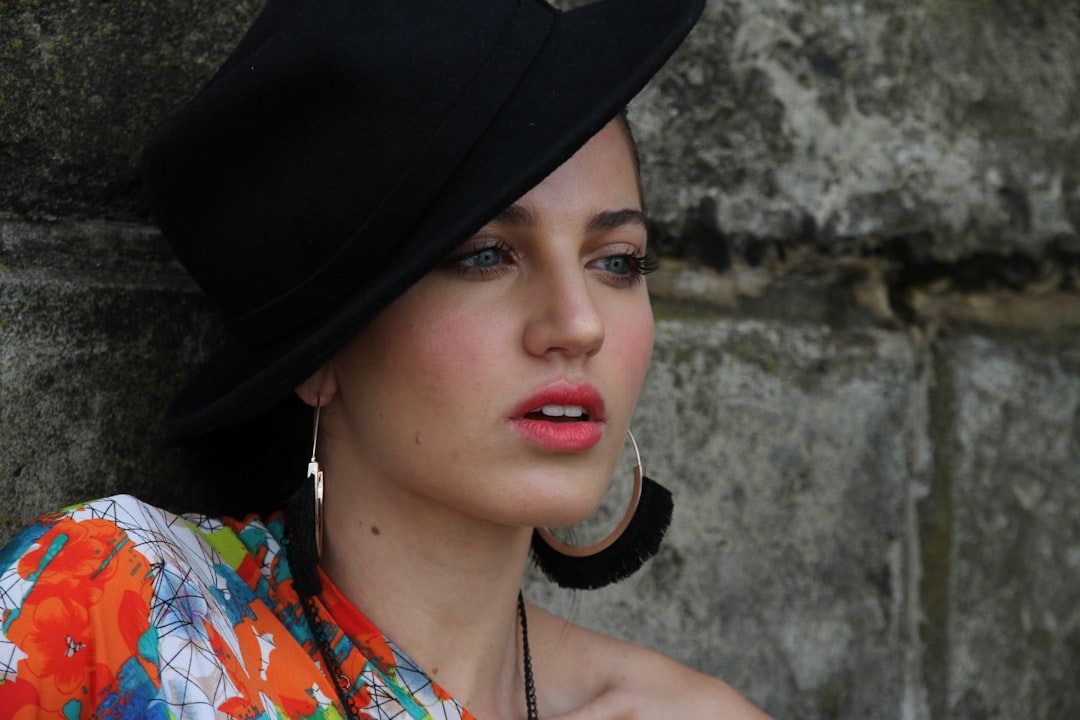
Statement earrings look stunning in photos, but test whether they'll hit your shoulders during head slides. Armfuls of bracelets create beautiful sounds during isolations, but they can also get caught in fringe or scratch your skin during floor work. Headpieces add polish, but make sure they'll actually stay in place when you're moving.
And footwear? Most belly dancers perform barefoot or in soft dance shoes that provide grip without bulk. If you need arch support, look for dance sandals specifically designed for Middle Eastern dance—regular flip-flops or sandals will slide off during turns.
The Investment Reality
I used to buy cheap costume pieces constantly, telling myself I was saving money. But after replacing the same poorly-made hip scarf three times in a year, I realized the math didn't work.
One well-constructed bra and belt set from a reputable maker will outlast five fast-fashion versions. The beading stays secure, the closures hold, and the fit actually flatters your body instead of fighting it. Custom-made pieces cost more upfront, but they're designed for your measurements and your dance style.
Start with quality basics: a versatile black or jewel-tone bra and belt set, a simple chiffon skirt, and a well-made hip scarf. You can add statement pieces over time, but these foundational items will carry you through most performance opportunities.
The Final Rehearsal Rule
Never perform in something you haven't worn during at least three full rehearsals.
That gorgeous new costume might look perfect standing still, but dancing reveals everything: scratchy seams, closures that loosen with movement, fabric that rides up or slips down. Give yourself time to adjust straps, secure loose beads, or hem too-long skirts before an audience ever sees you.
I've watched dancers discover mid-performance that their beautiful flowing skirt was actually a tripping hazard during turns. Don't let that be you.
Finding Your Power Piece
The right belly dance outfit does something almost magical. You put it on, and suddenly you're not just someone learning choreography—you're a dancer. It transforms how you carry yourself, how you move, how you connect with the music.
That doesn't mean you need the most expensive costume or the most elaborate beading. It means finding pieces that fit your body, match your dance style, and make you feel confident enough to lose yourself in the music.
Your perfect outfit is out there. And when you find it, you'll know—because dancing in it will feel like coming home.