[User]
Rewrite this dance article completely. New title + new content.
Do NOT copy the original structure. Fresh angle, new examples, new flow.
Original Title: "The Perfect Fit: Guide to Choosing Flamenco Dance Outfits"
Original Content:
html
Flamenco dancing is a vibrant, passionate art form that requires not just
skill and emotion, but also the perfect outfit to match its intensity. Whether
you're a seasoned performer or a beginner stepping into the world of Flamenco,
choosing the right dance outfit is crucial. Here's a comprehensive guide to help
you find the perfect fit.
Understanding Flamenco Fashion
Flamenco outfits are as diverse as the dance itself, ranging from
traditional to modern styles. The key elements typically include a bata de cola
(long-tailed dress), a traje de flamenca (flamenco suit), or a guitarra (short
dress). Each piece is designed to enhance the dancer's movements and reflect the
spirit of Flamenco.
Choosing the Right Fabric
The fabric of your Flamenco outfit should be both beautiful and functional.
Traditional materials like tafetán, brocade, and gazar are popular for their
durability and ability to hold intricate designs. For a more modern touch,
consider fabrics like satin or chiffon which offer a softer feel and a different
aesthetic.
Color and Embellishments
Color plays a significant role in Flamenco fashion. Bright, bold colors are
favored as they reflect the energetic nature of the dance. Patterns and
embellishments such as lace, fringe, and sequins are common and can add a
dramatic flair to your outfit. However, it's important to balance these elements
to avoid overwhelming the overall look.
Fit and Comfort
A well-fitted Flamenco outfit is essential for both comfort and performance.
The dress or suit should allow for free movement, especially in the arms and
hips, which are crucial for Flamenco's expressive gestures. If possible, have
your outfit tailored to ensure it fits perfectly and enhances your dancing.
Accessories: The Finishing Touches
No Flamenco outfit is complete without the right accessories. Traditional
accessories include castanets, combs for your hair, and shrugs or mantones for
added flair. Shoes, specifically flamenco heels, are also vital as they provide
the necessary support and sound for the dance.
Conclusion
Choosing the perfect Flamenco dance outfit is a blend of tradition, personal
style, and practicality. By considering the fabric, color, fit, and accessories,
you can create an ensemble that not only looks stunning but also supports your
performance. Remember, the right outfit can boost your confidence and help you
fully embody the spirit of Flamenco.
--- FEEDBACK FROM PREVIOUS ATTEMPT (FIX THESE ISSUES) ---
Quality 0/100 (need >=70). Make it more engaging: vivid examples, personal
anecdotes, stronger hooks, specific details. | AI writing detected. Break
formulaic patterns: vary paragraph openings, use contractions, add opinionated
takes, tell short stories, avoid hedging. | Evaluator: Parse failed: Query:
[System]
You are a content quality evaluator. Score the article on TWO dimensions:
- Quality Score (0-100): How engaging, informative, well-structured is this?
- AI Detection (true/false): D
---
Initializing agent...
────────────────────────────────────────
⚕ Hermes ───────────────────────────────────────────────────────────────────╮
TITLE: What Nobody Tells You About Picking a Flamenco Dress (Until Now)
---
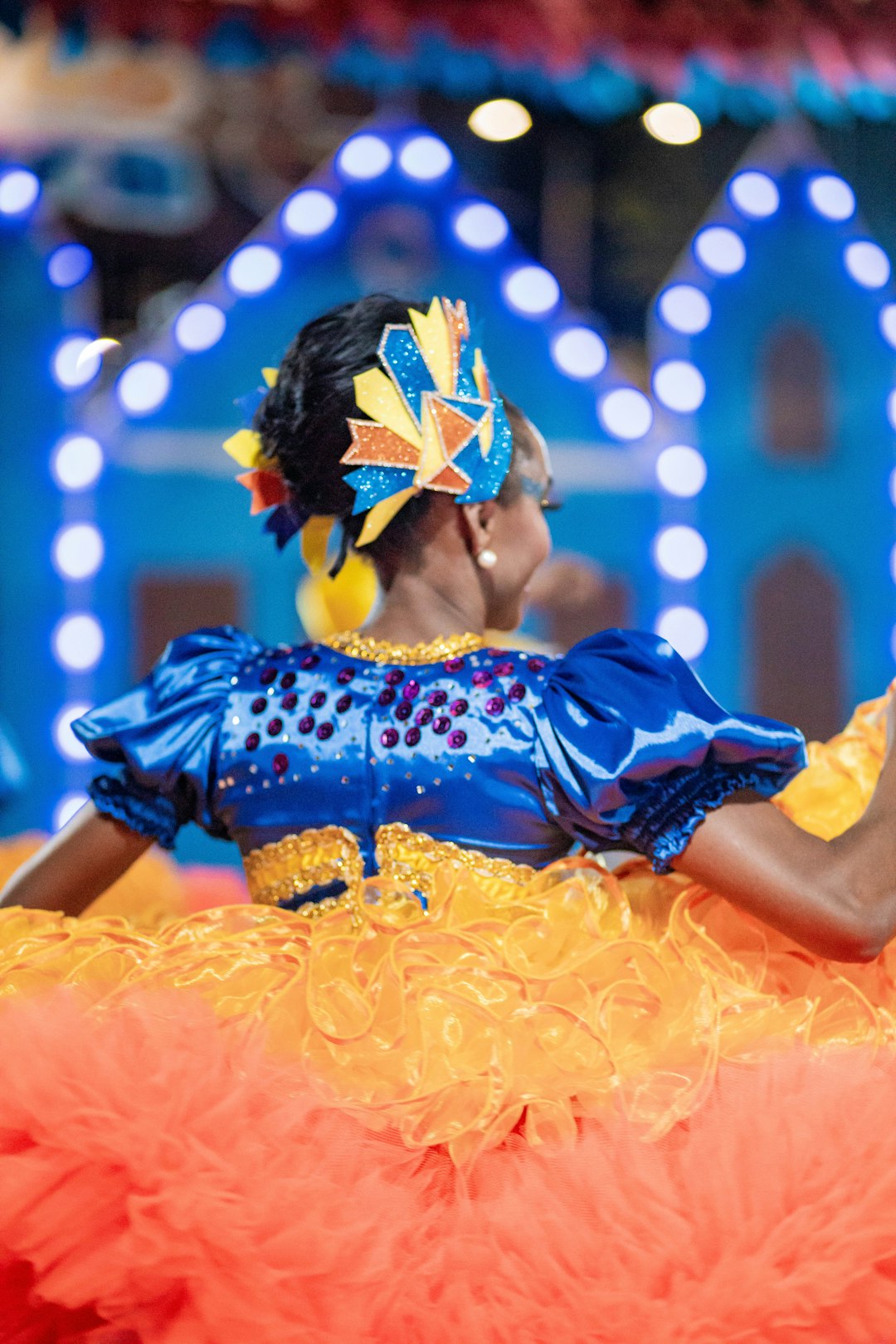
The first time I saw a dancer in a bata de cola, I thought she'd borrowed her grandmother's curtains. Dramatic fabric dragging across the floor, ruffles everywhere, colors so loud they practically shouted. Then she started to move — and I completely understood. That dress wasn't just clothing. It was the dance itself.
Here's what actually matters when you're hunting for your flamenco outfit, with none of that "follow these five steps" nonsense.
That Moment When Fabric Meets Skin
Forget everything you think you know about "traditional materials." Yes, tafetán holds its shape beautifully — but have you tried dancing in 90-degree heat at a summer tablao? You're gonna melt into a puddle right on that stage.
What actually works: heavy fabrics for performances where you want that dramatic swirl factor (gazar, any heavyweight satin), lighter fabrics for teaching or rehearsal where you'll actually move without passing out. I've seen beginners buy these gorgeous brocade dresses that weigh fifteen pounds and spend the entire show fighting to lift their arms. Don't be that dancer.
A good trick? Touch the fabric before you buy. Can you raise your arms overhead comfortably in the store? Great. Can you do a sharp marcaje without feeling restricted? Even better. Your outfit should disappear when you're dancing — if you think about your dress while you're performing, something's wrong.
The Color Question Everyone Gets Wrong
People always tell beginners to go bold. Red! Yellow! Hot pink! And then they wonder why they look like a walking party favor in their first video.
Here's my honest take: bold colors are for experienced dancers who know how to command a stage. If you're still figuring out your arms, a more restrained palette lets viewers actually see your technique instead of being blinded by your outfit. Darker reds, deep wines, navy — these have depth. They photograph better. And they don't compete with your actual dancing.
That said? If a bright color makes you feel invincible, wear it. Confidence beats "correct" choices every single time.
The Alterations Nobody Wants to Talk About
Your flamenco dress should fit like it was made for you — because ideally, it was.
Off-the-rack rarely works for serious dancing. The armholes matter way more than you'd think. If your dress binds across the shoulders during a turn, you're done. Same with the hip area — flamenco is all about that hip articulation, and a too-tight skirt will kill your movement dead.
Find a good seamstress. It's worth the investment. I've watched dancers spend hundreds on a gorgeous dress they never wear because "it just doesn't feel right." Don't let that be you.
The Accessories That Actually Matter
Skip the over-the-top combs and mantones until you've got your technique down. Your first few years, focus on castañuelas (and — please — practice with them at home until they're not an afterthought), solid footwear that makes sound, and a comfortable fit.
Flamenco heels aren't optional. They're part of the instrument. Budget here isn't the place to be cheap — your ankles will thank me later.
The Real Secret
Stop stressing about getting it "right." The perfect outfit is the one that makes you want to dance when you put it on. Everything else adjusts.
You'll evolve. That first dress you're obsessing over now? In two years you'll look at photos and cringe. That's normal. That's growth. Buy something you're excited about, get out there, and let the dance teach you what you actually need.
Resume this session with:
hermes --resume 20260427_054019_300533
Session: 20260427_054019_300533
Duration: 15s
Messages: 2 (1 user, 0 tool calls)