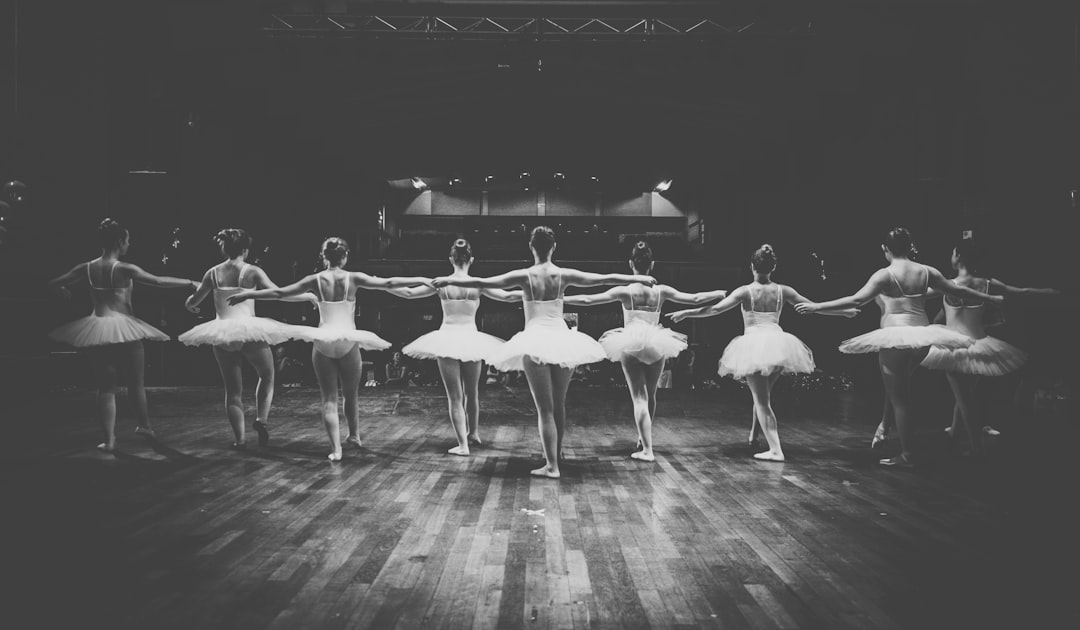
Of the thousands of students enrolled in ballet schools nationwide, fewer than 3% will secure professional contracts. The transition from student to pro isn't simply about working harder—it's about training smarter, building strategic relationships, and understanding an industry that remains largely opaque to outsiders.
Here are five critical shifts that separate students who plateau from those who build sustainable careers.
1. Master Your Technique—Then Master How to Adapt It
Technique is your currency, but rigidity is your liability. A Vaganova-trained dancer and a Balanchine-trained dancer may execute the same arabesque differently—neither is wrong, but understanding your training lineage helps you adapt to company directors' expectations.
Build your foundation with specificity:
- Alignment: Work with mirrors and video analysis to identify habitual compensations (common: anterior pelvic tilt, winged feet, collapsed arches)
- Turnout: Develop strength at your functional range rather than forcing rotation from the knees or ankles
- Pointe readiness: For female dancers, pointe work is non-negotiable. Most professionals begin between ages 11-13 after passing structured pre-pointe assessments. Delayed start or inadequate preparation limits career options.
Seek corrections actively. The dancers who improve fastest treat every class as an audition for attention—positioning themselves where teachers can see them, applying feedback immediately, and requesting clarification when needed.
2. Train at Volume—Then Protect Your Capacity
Pre-professional students typically train 20-30 hours weekly; company apprentices often exceed 35 hours during rehearsal periods. Quality matters, but volume is non-negotiable.
Structure your training week strategically:
| Component | Purpose | Frequency |
|---|---|---|
| Technique class (ballet) | Maintain and refine fundamentals | Daily |
| Pointe/variations (women) / Men's technique | Role-specific skills | 3-4× weekly |
| Pas de deux / partnering | Essential for company work | 2-3× weekly |
| Pilates or Gyrotonic | Core stability, injury prevention | 2× weekly |
| Cross-training (swimming, cycling) | Cardiovascular fitness without impact | 1-2× weekly |
Rest is training. Chronic fatigue degrades technique and increases injury risk. Schedule at least one full rest day weekly, and monitor for warning signs: persistent muscle soreness, disrupted sleep, or declining motivation.
3. Treat Your Body as Professional Equipment
Ballet injuries are occupational hazards, not personal failures. Stress fractures in the second metatarsal, hip labral tears, and snapping hip syndrome are endemic to the field. Early intervention with a dance medicine specialist—not a general orthopedist—can salvage careers.
Preventive protocols:
- Pre-habilitation: Address muscle imbalances before they become injuries (common vulnerabilities: weak deep external rotators, tight hip flexors, underactive gluteal muscles)
- Pointe shoe management: Learn to sew, break in, and modify shoes yourself. Ill-fitting shoes cause bunions, neuromas, and stress fractures.
- Nutrition: Work with a sports dietitian familiar with the "aesthetic pressure" of ballet. Relative Energy Deficiency in Sport (RED-S) is widespread and career-ending if unaddressed.
- Mental health: Access psychological support proactively. Eating disorders, anxiety, and depression occur at elevated rates in dance populations.
4. Develop Artistic Intelligence, Not Just Expression
Ballet is not technique with emotion layered on top—it is embodied musicality and dramatic architecture. Watch footage of Suzanne Farrell's musical phrasing, or how Marcelo Gomes constructs a narrative arc across a full-length ballet. Then analyze: what choices did they make at measure 12 versus measure 47?
Build artistic depth deliberately:
- Score study: Learn to read basic piano reductions. Understanding time signatures, phrases, and rubato transforms your musicality.
- Cross-genre exposure: Contemporary, modern, and cultural dance forms expand your movement vocabulary and employability.
- Dramatic training: Voice work and acting classes develop the expressiveness required for narrative ballets.
- Historical context: Research the choreographers whose works you perform. Dancing Giselle without understanding Romanticism is recitation, not interpretation.
5. Network with Precision and Persistence
Talent opens doors; relationships keep them open. The ballet world is small, reputation-driven, and heavily reliant on personal recommendation.
Concrete networking tactics:
- Guest teacher follow-up: After class, send a handwritten thank-you referencing specific corrections. Follow up six months later with a brief update on your progress.
- Summer intensive strategy: Treat these as extended auditions. Request feedback directly from artistic staff; their recommendations often precede formal company auditions.
- Youth company and second company programs: These bridge positions offer professional experience without full company status. Many








