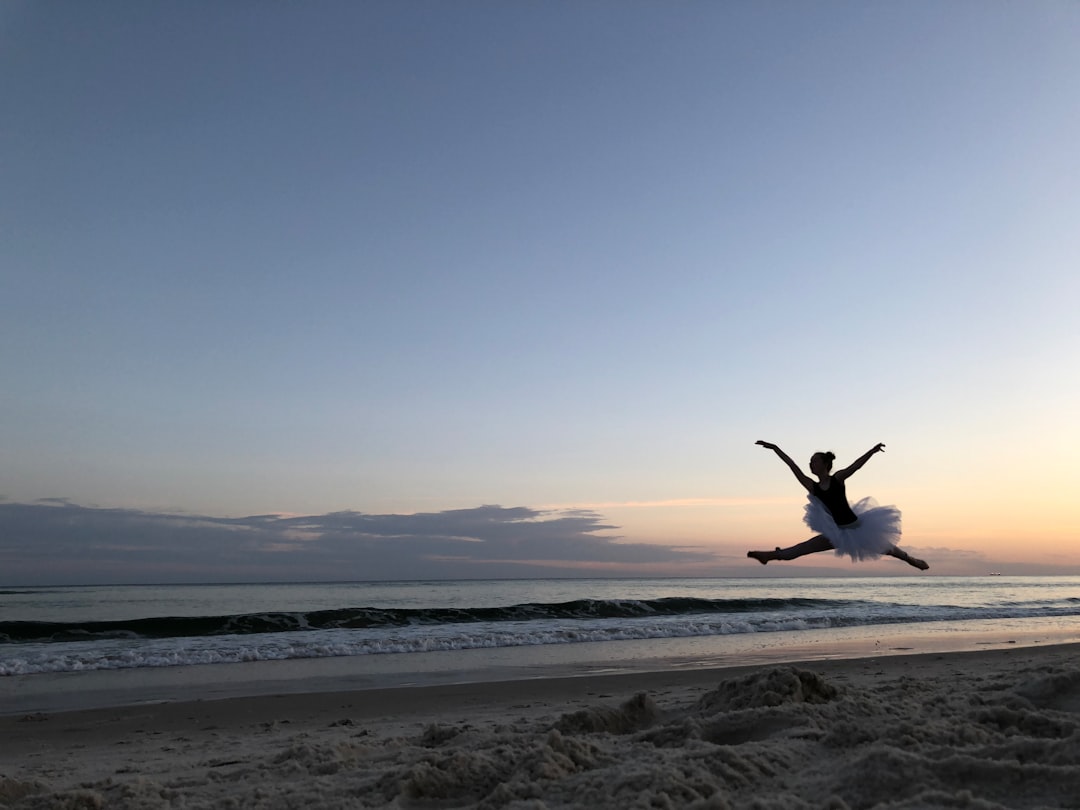
At 16, Maya spent six weeks at Pacific Northwest Ballet's summer intensive, dancing six hours daily on stress fractures she hid from staff—because stopping meant losing her spot. She's now a corps member at Boston Ballet. Her roommate from that summer works in marketing.
This is the unspoken reality of professional ballet: exceptional talent is necessary but never sufficient. Thousands of technically proficient dancers compete for contracts at roughly 75 major companies worldwide. Success demands strategic navigation of a system that remains largely opaque to outsiders.
This guide maps the actual pipeline from first plié to professional career—including the financial, physical, and psychological realities that generic advice ignores.
Stage 1: Early Training (Ages 6–12)
The Foundation That Cannot Be Rebuilt
Starting age creates irreversible physiological differences. Pre-adolescent bodies adapt to external rotation, foot articulation, and spinal alignment in ways that become nearly impossible to replicate after growth spurts begin.
Reality Check: Starting at 8 versus 12 creates measurable differences in hip rotation range and Achilles tendon flexibility. However, late starters with exceptional facility can still reach professional levels—Misty Copeland began at 13. The trade-off is accelerated, often private training that costs significantly more and demands greater injury risk management.
What to Look For:
| Red Flags | Green Flags |
|---|---|
| Teachers without verifiable professional company experience | Former company dancers with alumni networks in your target style (Balanchine, Vaganova, RAD, or Cecchetti) |
| Emphasis on competition wins over technical progression | Competition coaching records showing consistent progression to finals, not just participation |
| Generic "ballet" curriculum without style specificity | Clear articulation of which methodology they teach and why |
By age 11–12, serious students should train 15–20 hours weekly. Less suggests recreational pacing; significantly more risks overuse injuries before skeletal maturity.
Stage 2: Pre-Professional Training (Ages 13–18)
The Financial Architecture
This is where ballet becomes a significant family investment—or reveals itself as financially unsustainable.
Annual Costs (U.S.-Based):
| Expense | Range |
|---|---|
| Residential academy tuition | $20,000–$45,000 |
| Year-round training (non-residential) | $8,000–$18,000 |
| Private coaching (2–3 hours weekly) | $5,000–$15,000 |
| Pointe shoes | $2,000–$4,000 |
| Summer intensives (2–3 programs) | $6,000–$12,000 |
| Physical therapy, massage, medical | $2,000–$8,000 |
| Total | $43,000–$102,000 annually |
Most families spend $15,000–$35,000 yearly even with scholarship support. Merit-based aid rarely covers full costs; need-based assistance varies dramatically by institution.
Reality Check: The "best" program is the one your family can sustain without debt that compromises college savings for non-dancing siblings or parental retirement. Burnout from financial stress ends more careers than inadequate training.
Program Selection Strategy:
Research where a program's graduates actually dance—not where they audition. A school placing three dancers annually into regional companies may better serve your goals than one sending one dancer to a major company amid fifty unsuccessful peers.
Stage 3: Summer Intensives
Visibility, Vetting, and the YAGP Circuit
Summer programs have transformed from supplementary training to primary recruitment channels. Major company artistic directors now scout intensives more than competitions, though the Youth America Grand Prix (YAGP) and similar circuits remain significant for international visibility.
Strategic Approach:
- Age 13–14: Cast a wide net. Apply to 6–8 programs across company tiers to assess your competitive position.
- Age 15–16: Target programs at companies where you can envision dancing. Faculty relationships here directly influence apprenticeship offers.
- Age 17+: Highly selective attendance. By this stage, you should have established relationships with 2–3 programs whose artistic staff can advocate for you.
Reality Check: The "prestigious" intensive matters less than whether you're remembered. A standout student at a second-tier program advances further than an anonymous face at School of American Ballet. Faculty sit on company artistic panels; a remembered name often advances you past preliminary rounds without additional audition.
Post-Pandemic Shift: Hybrid training models now allow dancers to maintain home studio relationships while accessing intensive faculty virtually. This reduces costs but requires disciplined self-assessment—you cannot hide technical weaknesses behind Zoom filters when in-person auditions resume.
Stage 4: Company Auditions
The Numbers Game
Most successful professionals audition for 10–30 companies before securing a contract








