---
Every choreographer has that one moment in rehearsal — the song that makes everyone stop, breathe, and suddenly understand what the piece is actually about.
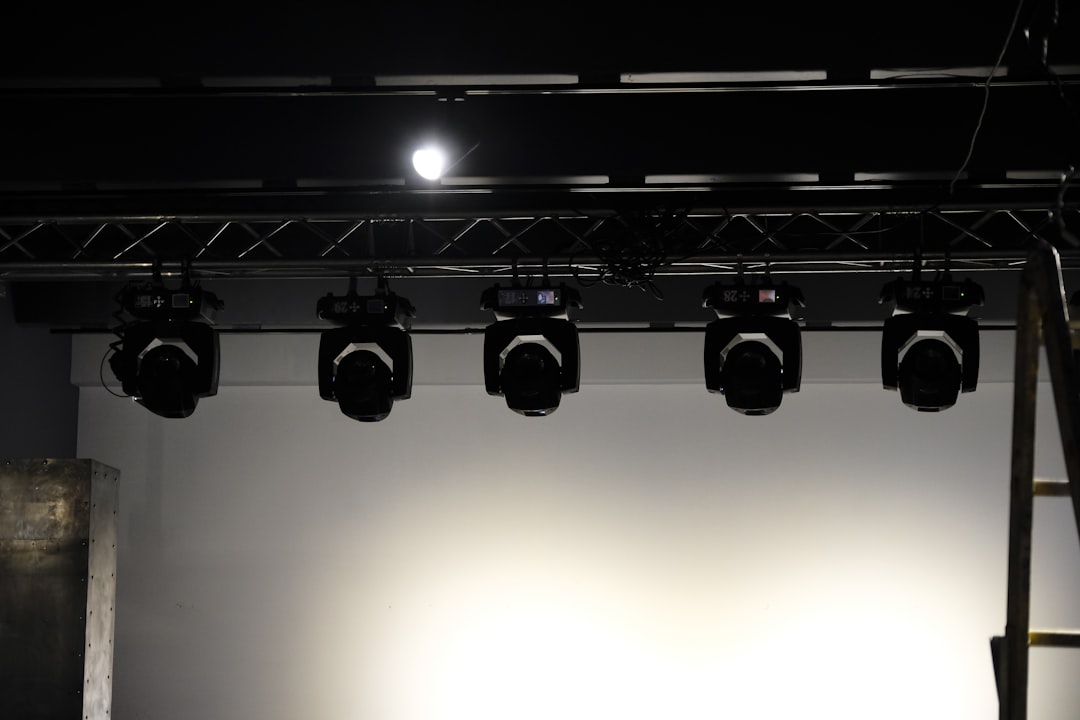
I've been in those rooms. The lights are too bright, the mirror shows every hesitation, and then someone plays that track. The energy shifts. Shoulders drop. Something clicks.
That's not coincidence. That's where music becomes the language contemporary dance speaks fluently.
What Actually Happens in the Room
Forget what you see onstage. The real magic happens in studios that smell like sweat and coffee, with speakers that crackle if you turn them past halfway. Choreographers aren't just picking "good music" — they're finding the exact emotional frequency that makes a movement feel inevitable.
Take the way Nora Jane Hershey-Lake builds a piece. She doesn't start with choreography at all. She plays seven different tracks in a row, watching how her dancers' bodies respond before a single step gets taught. The music that makes someone pause, that draws out an unplanned gesture — that's what she works with. Not what's popular, not what's impressive. What's true.
This is the difference between watching dance and feeling it.
When Genres Collide (And It Works)
Here's what's exciting right now: nobody's playing by the old rules anymore.
Your favorite contemporary piece might have a Ludwig van Beethoven sample woven underneath 808 bass, or it might open with a 1994 Missy Paul track before dissolving into something you'd hear in a temple. The genre boundaries that used to matter? Gone.
This hybrid energy mirrors what contemporary dance has always been — an art form that refuses to stand still. The best choreographers now treat music as raw material, not categorization. They'll take something discordant and find the grace in it. They'll take something tender and push it into chaos. The result? Dances that feel lived-in, not produced.
That unpredictability is what keeps audiences leaning forward. You don't know where the piece is going. Neither does the dancer.
The Emotional Thing Nobody Admits
Here's what gets choreographer Erin Robert Nelson called out on in interviews: the emotional connection between music and movement isn't intellectual. It's physical.
When you hear a piece of music for the hundredth time in rehearsal, your body starts to anticipate. Your heartbeat adjusts. Your breath changes. By the time you perform, you're not executing steps to music — you've become part of the music itself.
This is why audience members sometimes cry and can't explain why. They're witnessing someone in that state of almost-meditation, where technique disappears and only feeling remains. Music isn't accompanying the dance. Music is the dance.
What Technology Can't Replace
Yes, AI can generate a soundtrack now. Yes, immersive audio installations can make you feel like you're inside the music. These tools are knocking around studios everywhere.
But they haven't replaced the thing that matters — the human moment.
The best dance work still happens when someone plays a song in a room full of people, and you all just sit there for a second, letting it land. That pause. That shared breath. That's not replicable. That's not scalable. That's the rehearsal room, and it's where anything is still possible.
---
That room exists in every city, behind unmarked doors. The music changes. The rules don't: find what's true, then move with it.
Next time you watch contemporary dance, listen for that truth. It's usually the part that can't be taught.