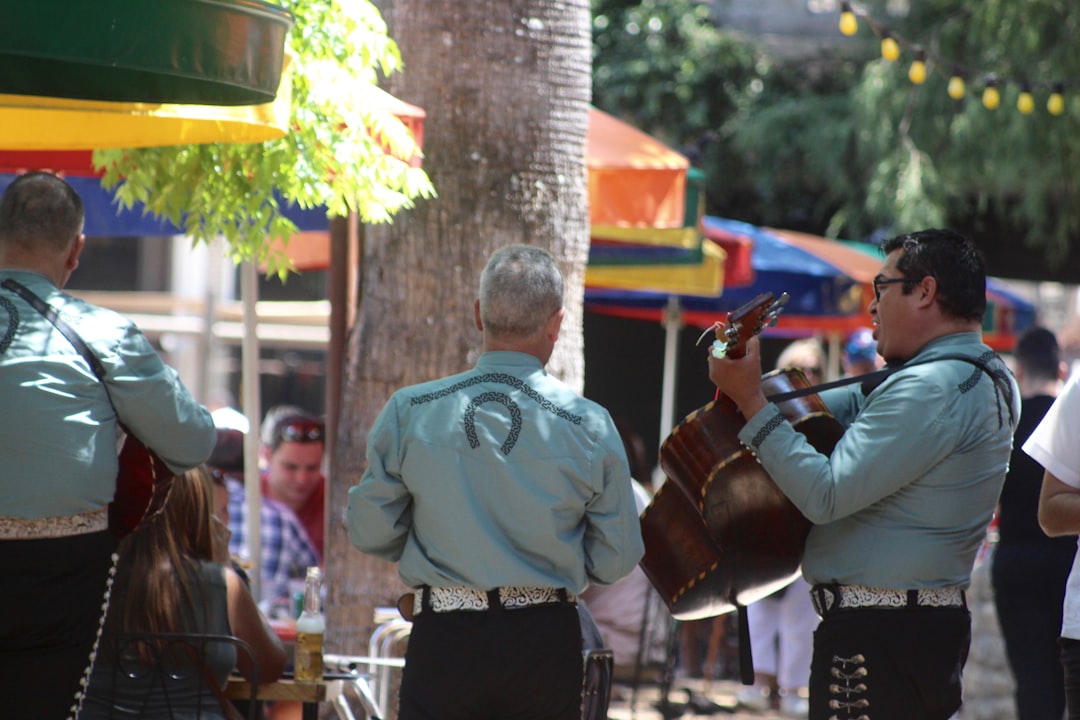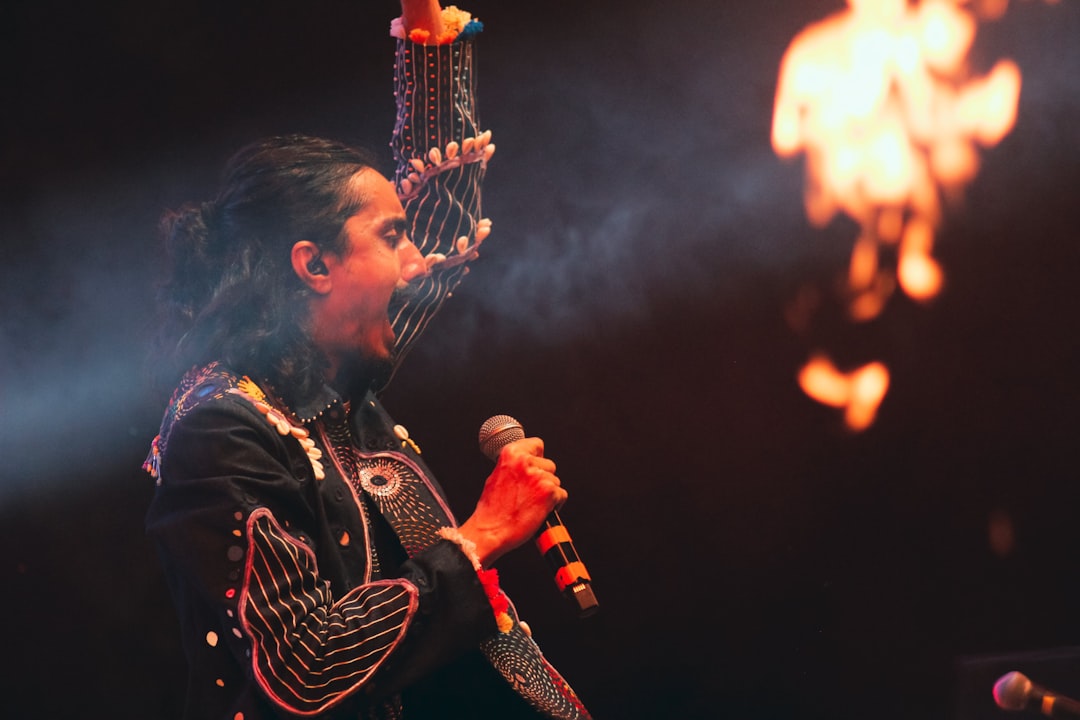
You hear it before you see it—the sharp, metallic thrum of the berimbau cutting through the air, the rhythmic clap of hands, a chorus of voices singing in Portuguese. You follow the sound down a city side street and find a circle of people, a roda, their bodies moving in a fluid, playful conversation of kicks, spins, and escapes. This is the heartbeat of Capoeira, and in Richville City, that heartbeat is strong. But how do you find your place in the circle?
Forget a sterile list of schools. Finding a Capoeira group is about finding a community, a second family with its own traditions and energy. Here’s where the pulse of Richville’s scene really lives.
The Roots: Where Tradition Guides Every Ginga
If you’re drawn to the deep history and strict codes of the art, the Richville Capoeira Academy is a living museum. Walking in, you feel the weight of legacy. Mestre Jogo de Dentro doesn’t just teach moves; he teaches stories. A class here is a lesson in the “why”—why this dodge looks like a snake, why that song was sung during slavery. The rodas are intense, respectful, and full of a palpable history. It’s less a gym and more a sanctuary.
The Global Pulse: Energy That Crosses Continents
Step into Axé Capoeira Richville, and the energy is electric, global. Part of a vast international family under Mestre Barrão, this place thrives on connection. You might train next to a student who just transferred from their Vancouver group or learn a sequence that’s trending in their São Paulo school. The focus on music is immediate—everyone learns the instruments, everyone sings. Their monthly performances aren’t just shows; they’re loud, joyful parties that spill onto the sidewalk, proving Capoeira is as much about celebration as competition.
The Community Hearth: Where Everyone Has a Place
Some groups feel like teams. Cordão de Ouro Richville feels like a neighborhood block party. Under the warm guidance of Contra-Mestre Folha Seca, the focus is on inclusion. A beginner’s shaky handstand is cheered as loudly as an advanced student’s perfect au. You’ll see them collaborating with local samba schools or doing free demonstrations at the city fair. Here, Capoeira is a tool for bringing people together, and the training floor feels like a supportive living room where everyone’s journey is valid.
The Laboratory: Tradition Meets the New
Then there’s Grupo Liberdade de Capoeira, the creative outlier. Mestre Liberdade is a tinkerer. He’ll blend Capoeira with contemporary dance dynamics in one breath and high-intensity interval training in the next. A class might deconstruct a traditional sequence through a modern movement lens. Their open rodas are fascinating—a mix of styles, where a player from a traditional group might engage with someone who moves with a distinctly modern flair. It’s for the curious, the ones who see Capoeira as a living, evolving language.
So, Where Will You Stand?
The truth is, the “best” hub doesn’t exist. There’s only the right fit for you. Do you crave ancestral wisdom or innovative fusion? Do you want a global network or a tight-knit local crew?
The only way to know is to go. Listen for the berimbau. Show up, feel the floor under your feet, and see where your body wants to move. In Richville, the roda is always waiting. All you have to do is step in.
—Your guide to the games within the game.