---
There's a moment every belly dancer knows. You're practicing a new piece in the studio, and something clicks — the music slides under your skin at exactly the right tempo, every drum hit lands like a heartbeat, and suddenly you're not thinking anymore. You're just moving. That connection between a dancer and the right soundtrack is what separates a practiced routine from something that makes people hold their breath.
Music isn't decoration for belly dance. It's the whole point.
The Relationship Between Sound and Movement
Think of it this way: belly dance developed over centuries in close conversation with the music it accompanies. Egyptian raqs sharki, Turkish oriental, American cabaret style — each evolved alongside specific regional sounds. When you dance to the right genre, you're joining a conversation that's been going on for generations.
But here's what most beginners get wrong: they look for music that sounds " Middle Eastern" and call it done. That's like choosing food because it's "Italian." You need to go deeper.
Traditional Arabic Music: Where It All Started
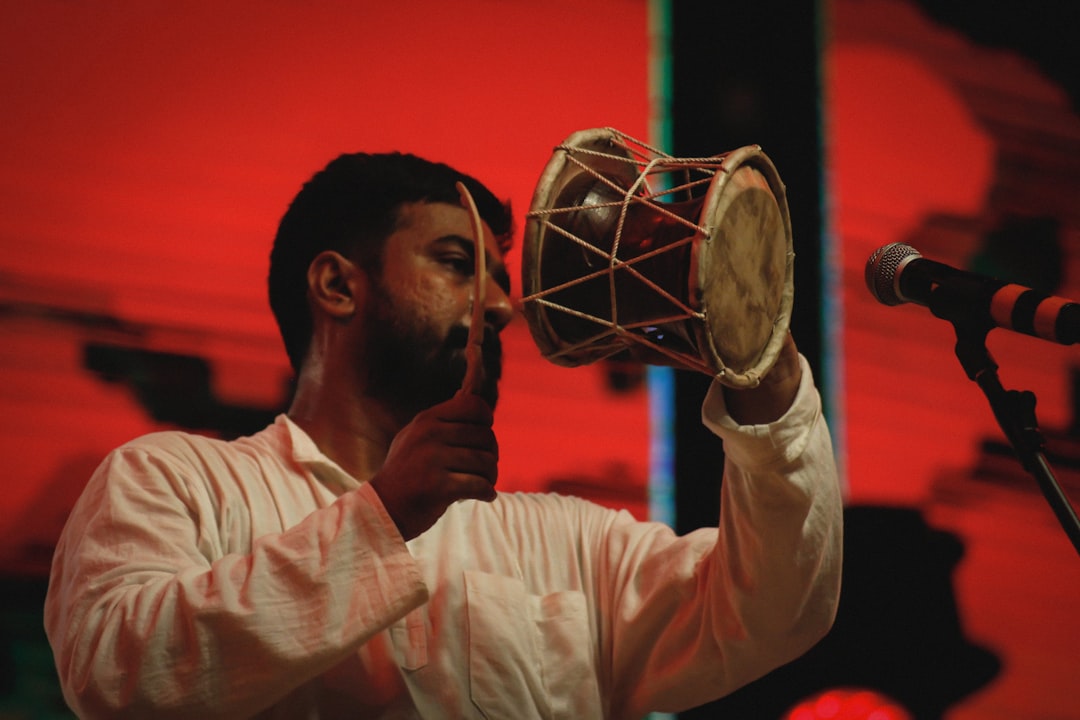
The classic pairing isn't cliché — it's classic for a reason. Traditional Arabic music gives you something precious: a built-in conversation between sound and movement. The oud weaves melodic lines that rise and fall like breath. The darbuka marks rhythms designed to be danced to, every dum and tak landing in a place your body already wants to move.
When you're learning, this is your laboratory.
Try starting with artists like George Sawa or Khairiya for classical Egyptian pieces. The slower taqasim sections let you work on isolations without feeling rushed. When the full band kicks in, you're already warm and ready to match that energy.
Here's a practical pairing that works every time: "Alf Leila wa Leila" by Souad Massi. The track builds from quiet and mysterious into something powerful. You can literally feel your choreography grow with it.
Turkish Pop: When Energy Is the Point
Not everything has to be traditional to work. Turkish pop brought something interesting to oriental dance: forward momentum. The beats are relentless, the tempos relentless, the energy infectious.
Tarkan's "Şımarık" (which the world knows as "Kiss Kiss") has a pulse that makes your feet want to move whether you planned it or not. That's not a weakness — it's the whole point. When you can't resist the music, neither can your audience.
Turkish pop works especially well for performance pieces where you want to project energy outward. The audience feels that drive. They're not watching a beautiful dancer interpret something quiet — they're watching someone having fun with it.
The trick is matching your movement vocabulary to the beat. Don't fight the pulse. Build your traveling steps, your shimmies, your arm work around it. The music becomes the engine.
World Music: Finding Your Own Sound
This is where things get interesting for dancers who want to develop a personal style. World music artists blend traditional elements with electronic production, jazz harmonies, rock structures — you name it.
Natacha Atlas has been doing this for decades. "Mistanneek" starts Arabic, slides into something electronic, and never lets you settle into one expectation. Dancing to it requires you to stay responsive, to let the music surprise you so you can surprise your audience.
Cheb i Sabbah takes North African Gnawa music and electrifies it into something that sounds ancient and futuristic at once. The rhythms are complex, layered, demanding. But when you lock into the pattern underneath all that complexity, you can do things that wouldn't work on a straight beat.
This is the territory for experienced dancers looking to grow. You don't just execute choreography — you negotiate with the music in real time.
Building a Playlist That Takes You Somewhere
Forget putting together a "playlist" the way you'd build a workout mix. Think of it as a journey for you and your audience.
Start with something that settles you. Not literally quiet if that's not your style, but something that lets you establish presence. A slower tempo, a piece you know deeply, gives you room to breathe and show your posture, your lines, your composure.
From there, build toward energy. Each piece should push slightly harder than the last. You're climbing something. Your audience should feel the momentum without knowing why.
The ending matters more than most dancers realize. You're not tired by the end — you're at your peak. Finish with something that showcases what you do best, something that lands hard, something that makes people want to stand up before they realize they're doing it.
The Real Secret
Tempo matters. Instrumentation matters. Genre matters. But none of that is the real secret.
The real secret is knowing the music so well that it stops being something you listen to and becomes something you inhabit. When you can close your eyes and feel where you are in the song without hearing it, when your body anticipates the next beat because you've lived in this piece for months — that's when belly dance stops being performance and becomes communication.
Pick music you're obsessed with, not music you think you should like. Work it until it stops being background and starts being home. Everything else follows from there.