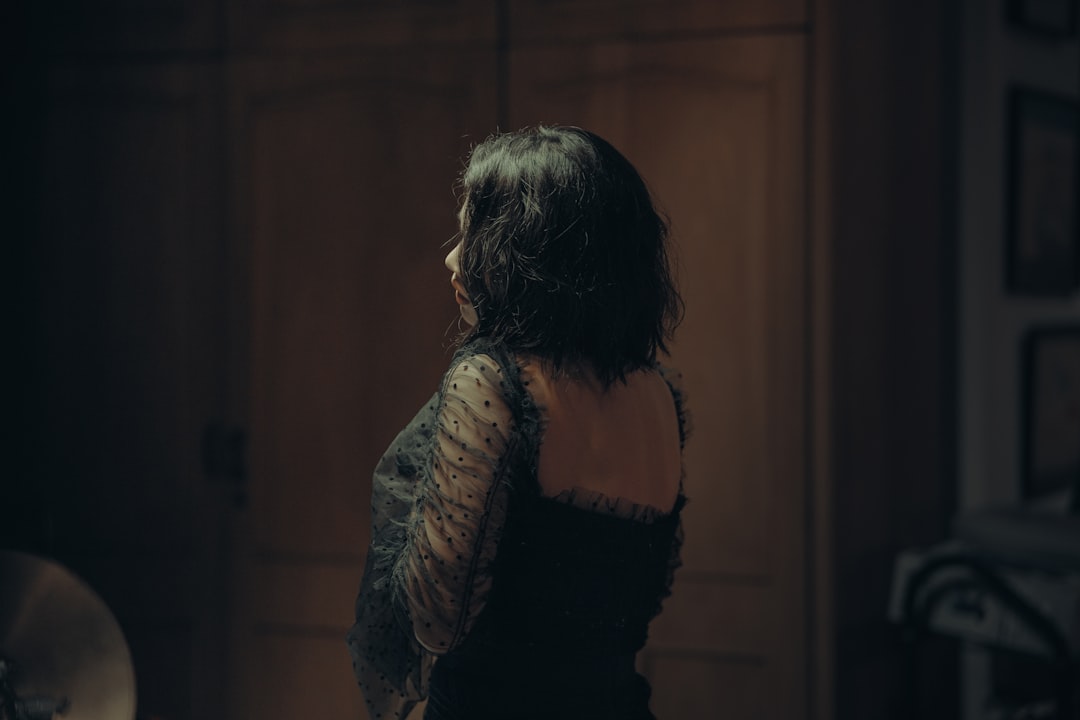
I still remember my first salsa social. There I was, mouthing "one-two-three, five-six-seven" under my breath like a nervous tic, while this woman across the room made the same basic step look like she'd been born doing it. Her hips told a story. Mine were just... attached to my legs, apparently.
Here's what nobody tells you when you start Latin dance: the gap between "knowing the steps" and actually dancing isn't about learning more moves. It's about everything else.
Your Body Has opinions. Let It Have Them.
That thing where you move your hips without your ribs getting involved? That's body isolation, and it's the difference between dancing and "doing an interpretive walk." Start small—stand in front of a mirror, feet planted, and try moving just your ribcage side to side. Your hips will naturally follow. Then flip it: move your hips while keeping your shoulders dead still. It feels weird at first. That's how you know it's working.
Bachata dancers live and die by this skill. Watch a pro's torso during a sensual bachata—it's like water flowing through them, each body part responding to the music independently.
The Music Is Giving You Instructions
You know that moment when the horns kick in during a salsa track and suddenly everyone around you is hitting the same accent at the same time? They're not psychic. They've just learned to listen.
Latin music is conversational. The percussion section talks to the brass, the piano answers back, and the vocals weave through it all. Spend a week listening to nothing but salsa while you commute—but don't just play it. Pick one instrument per song and follow it through the entire track. Where does the conga player add syncopation? When does the timbales drop out?
Your body will start anticipating these moments without you consciously thinking about it.
Partner Dancing Isn't About You
Here's a hard truth: if you're a lead thinking about your next fancy move while your follow is still figuring out the last one, you're dancing alone with an audience.
The best leads I know spend 80% of their mental bandwidth on their partner's experience. Is she balanced? Did she have time to finish that turn? Is her weight on the correct foot? The follows who look effortless—they're the ones whose leads gave them space to actually dance instead of just survive.
And follows: your job isn't to be a mannequin. The best partnerships I've seen are conversations. He asks a question with his frame; she answers with her styling.
Ugly Practice Makes Pretty Dancing
Record yourself. I know, I know—it's painful. But you know what's more painful? Thinking you look great for two years and then seeing video evidence that your "Cuban motion" looks more like "having a minor seizure."
Film a minute of your practice, watch it, cringe, then pick ONE thing to fix. Your arm positioning, maybe. Or that moment where you drop your frame during turns. Work on just that for a week. Then film again.
Pro tip: Most of us look better from certain angles. Figure out yours and stand that way when it matters.
Get Uncomfortable
That social dance floor where you only dance with people at your level? It's holding you back. Dance with beginners—they'll teach you patience, clarity, and how to recover when things go wrong. Dance with people way better than you—they'll expose your weaknesses faster than any class could.
Same with competitions and performances. Putting yourself on stage forces you to rise to the occasion. The first time I performed, I was so nervous I barely remembered the routine. But the second time? Pure magic. That adrenaline becomes fuel once you learn to ride it.
Your Style Is Already In There
You can watch YouTube videos of world champions all day, and that's great for inspiration. But here's the thing—they got famous for being themselves on the dance floor, not for being copies of someone else.
What makes you, you? Maybe it's your sense of humor—add playful expressions into your dancing. Maybe you're more sensual—lean into that. Maybe you're athletic and want to show off your strength. Your personality should leak out of your pores when you dance. That's what people remember.
The boring stuff matters more than you think
Posture. Weight transfer. Frame. I know, thrilling stuff. But here's the reality: every professional dancer who makes it look easy has spent countless hours on exactly these fundamentals. They've just made them automatic.
Think of it like learning a language. You start translating every word in your head. Eventually, you just... speak. Same with dance. The mechanics become invisible, and what's left is pure expression.
Progress Isn't Linear
Some weeks you'll feel like a dancing god. Other weeks you'll trip over your own feet during a basic step. This is normal. Dance learning happens in plateaus and jumps—you'll feel stuck forever, then suddenly something clicks and you level up overnight.
The key is showing up anyway. Take classes from different instructors. Each teacher has their own vocabulary and approach, and you'll learn something different from each one.
Stop Counting. Start Dancing.
That woman at my first social who looked so effortless? I asked her to dance months later, expecting to be humbled. Instead, she led me through the entire song, patient and playful, making me look better than I was. That's when I understood: great dancers make everyone around them look great too.
So yes, learn your patterns. Practice your turns. Drill your isolations until your body does them in its sleep. But at some point, you have to let go of all that technique and just... feel the music. Trust your body. Trust your partner.
The counting will stop on its own. I promise.