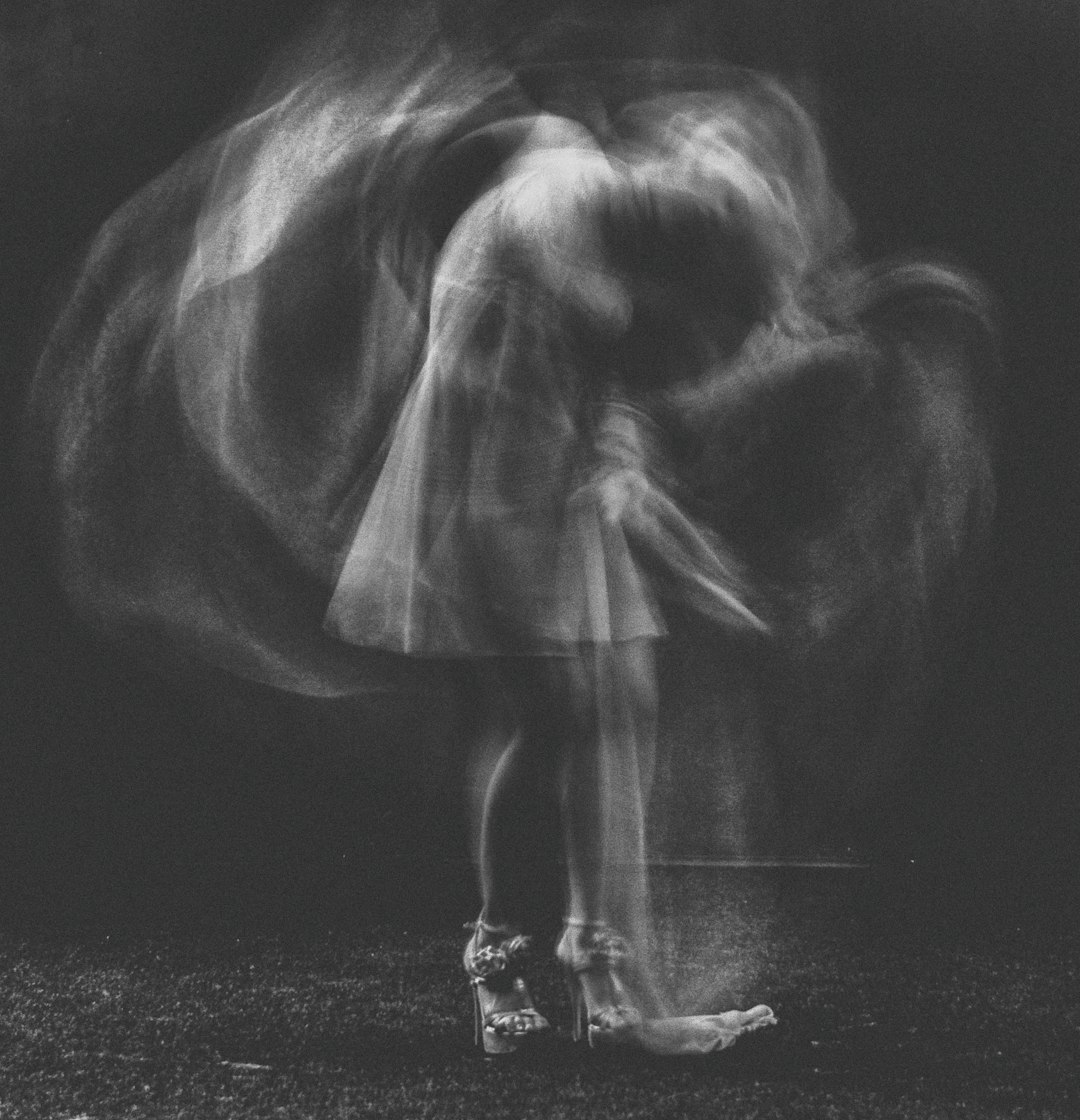
Imagine standing in a final callback, heart pounding, when your leotard's waistband rolls, your tights sag, and sweat-soaked cotton clings to your shoulder blades. The choreography demands your full attention—but your clothes have become a distraction you cannot afford.
For dancers, fabric is not merely aesthetic. It is equipment. The wrong textile can compromise alignment, shorten endurance, and even alter how instructors perceive your lines. Understanding the biomechanics of dancewear empowers you to make choices that support rather than sabotage your performance.
Beyond "Breathable": Understanding Moisture and Heat Management
The term "breathable" is marketing shorthand for complex thermoregulatory properties. When you dance, your body generates heat that must escape; trapped moisture raises skin temperature, accelerates fatigue, and impairs proprioception.
Moisture vapor transmission rate (MVTR) offers a measurable standard. Quality technical dancewear typically exceeds 10,000 g/m²/24hr—meaning ten kilograms of water vapor can pass through one square meter of fabric in a day. Brands like Gaynor Minden and Yumiko increasingly list these specifications.
Fiber content alone, however, misleads. A loosely woven cotton gauze permits more airflow than a tightly knit polyester. Silk's natural protein structure makes it uniquely temperature-regulating across conditions. Merino wool, rarely considered for dance, outperforms untreated synthetics in moisture management while resisting odor—critical for dancers with back-to-back rehearsals.
For high-sweat genres like hip-hop or contemporary, seek double-knit constructions with hydrophilic inner layers that wick sweat away from skin and hydrophobic outer layers that disperse it. Single-layer "performance" fabrics often fail this two-step process.
The Mechanics of Stretch: More Than Percentage
Manufacturers highlight elastane content—typically 2-12%—but this reveals only part of the story. Mechanical stretch, achieved through knit construction rather than fiber content, offers recovery without compression. This matters enormously for movements requiring explosive extension: a grand jeté demands fabric that returns to shape without fighting your landing.
Consider these engineering distinctions:
| Construction | Behavior | Best Application |
|---|---|---|
| Four-way stretch with elastane | Equal stretch all directions, high recovery | Contoured basics, body-hugging costumes |
| Power mesh | Directional support: stretch horizontal, stability vertical | Core stability during turns and jumps |
| Supplex/Lycra blends | Cotton-like hand with synthetic performance | Daily classwear, sensitive skin |
| Mechanical stretch knits | Recovery without compression, breathable | Long rehearsals, partnering work |
Too much elastane creates problems the original article misses: excessive stretch reduces modulus, the force required to extend fabric. Low-modulus garments feel comfortable initially but provide insufficient support during dynamic movements, potentially contributing to overuse injuries as muscles compensate for unstable external feedback.
Weight, Drape, and the Physics of Perception
Fabric weight is measured in grams per square meter (GSM) or denier (fiber thickness). These specifications determine not just comfort but how your movement reads to observers.
Lightweight fabrics (under 150 GSM) permit rapid direction changes essential for petit allegro or intricate footwork. However, they can telegraph every muscular tremor—desirable for showcasing technical precision, less so for concealing nervousness.
Heavier fabrics (200+ GSM) provide momentum for sweeping movements in modern or lyrical styles. Martha Graham's iconic spiral costumes used weighted cotton jersey to extend the visual line of torso contractions. Contemporary designers like Issey Miyake apply similar principles with bonded synthetics that hold architectural shapes.
The psychological dimension matters equally. Research in embodied cognition suggests dancers perceive their own movement differently based on textile feedback—heavier fabrics can increase perceived effort and groundedness, lighter fabrics encourage aerial, effervescent quality.
Durability: The Hidden Cost of Performance
Dancers wash garments after nearly every use. This reality, absent from most fabric guides, determines long-term value and hygiene.
Pilling resistance varies enormously. High-twist synthetic yarns resist surface fiber migration better than staple fibers (short lengths spun together), explaining why quality nylon-spandex blends outlast cotton-Lycra alternatives despite similar initial hand.
Colorfastness under stage lighting heat prevents costume malfunctions—cheap dyes can transfer to skin or partner costumes under hot LEDs. Look for disperse-dyed polyester or fiber-reactive cotton treatments.
Odor retention represents polyester's Achilles heel. Its hydrophobic surface traps bacteria that produce persistent smells. Solutions include:
- Silver-ion treatments (Polygiene, BioFresh)
- Mechanical wicking constructions that reduce bacterial adhesion sites
- Strategic paneling: polyester where stretch matters, natural fibers where sweat concentrates








