That Moment When the Music Hits
You've seen it happen. A dancer steps onto the stage, the first notes spill from the speakers, and something shifts in the room. The audience leans forward. The dancer's hips seem to find their own voice. That's not accident or luck—it's the invisible chemistry between movement and music working exactly as it should.
I've watched countless performances where technical skill was overshadowed by poor music choices. And I've seen dancers with simpler technique absolutely captivate a room because they understood something fundamental: your music is your partner, not your backdrop.
The Rhythms That Built an Art Form
Let's talk about maqsum. This 4/4 pattern—DUM-tek-tek-DUM-tek—is the rhythm you'll hear at wedding parties across Cairo and Beirut. It's everywhere because it works. The structure gives dancers room to breathe, to play, to build anticipation. When you're stuck choosing between dozens of tracks, maqsum is your reliable friend.
But here's what most beginners miss: saidi hits different. Originating from Upper Egypt, this rhythm carries the weight of folk tradition. It's earthy, grounded, perfect for those moments when you want your dance to feel less like performance and more like celebration. Grab a cane (assaya) and suddenly you're telling a story that's been passed down for generations.
For pure adrenaline? Malfuf. This 2/4 rhythm moves fast—faster than you might expect. Use it for entrances when you want eyes on you immediately, or save it for that final burst of energy that leaves your audience buzzing.
When Old Meets New
Traditional Arabic rhythms have staying power for a reason, but that doesn't mean you're stuck in the past. Modern fusion has opened doors that didn't exist twenty years ago.
Beats Antique figured this out early. Their tracks layer electronic production over Middle Eastern instrumentation in ways that feel organic rather than forced. Karim Nagi takes a different approach—his music keeps one foot firmly planted in tradition while the other explores new territory.
The key word here is intentional. Fusion for its own sake becomes a gimmick. Fusion that serves your choreography becomes memorable.
The Art of Slow
Here's something that took me years to learn: dancing slowly is harder than dancing fast.
Taxim strips away the rhythm entirely. Just melody—often oud or violin—winding through scales and phrases with no percussive anchor. This is where control becomes visible. Every micro-movement matters. Every breath reads as intentional.
Baladi offers a different slow-burn experience. Starting soft and gradually building intensity, this form teaches you about musical storytelling. The audience shouldn't realize they're being led somewhere until they've already arrived.
Put on "Aziza" by Samy Farag and try to hold a sustained hip circle for eight counts. Then tell me slow dancing is easy.
Drum Solos: Your Time to Shine
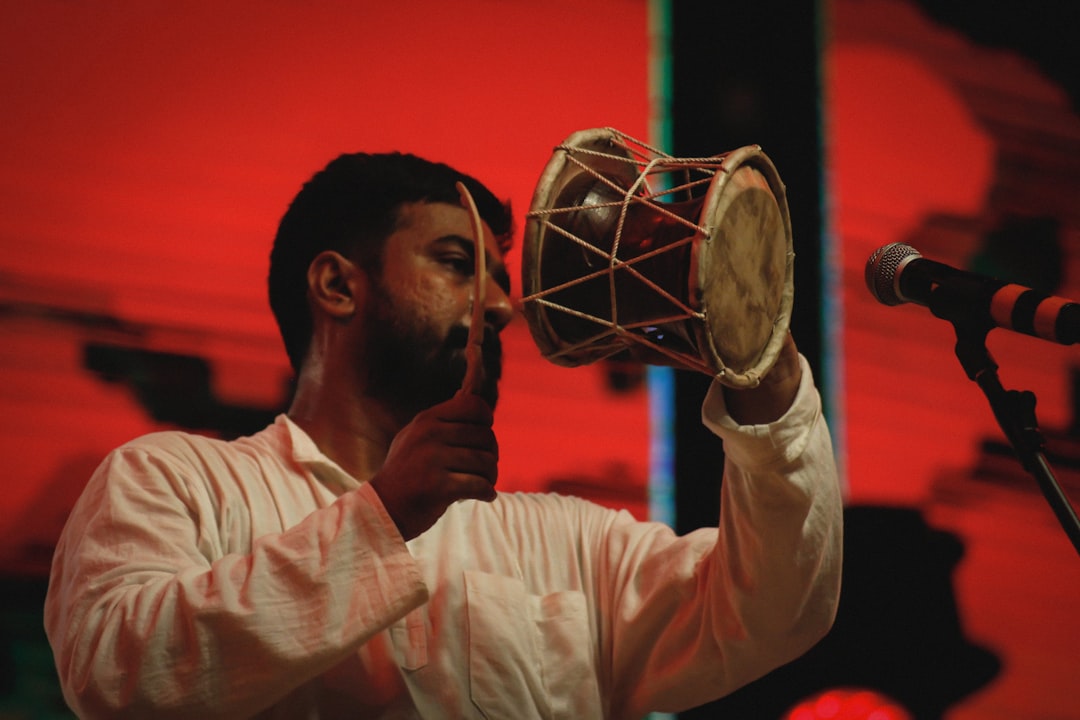
Nothing tests a dancer's musicality quite like a drum solo. The darbuka becomes your conversation partner—throwing patterns your way, waiting to see what you do with them.
Salah Takesh and Issam Houshan understand this dancer-drummer dialogue better than most. Their solos leave space for interpretation while still providing clear accents to hit. Listen for the call-and-response structure: the drummer plays a phrase, you answer with movement. He pushes, you pull back. He builds tension, you release it.
The best drum solos feel like improvisation even when they're carefully choreographed.
Making It Work For You
Three practical things that will immediately improve your music selection:
Mood-matching matters. A dramatic piece with heavy strings won't work for a lighthearted hafla performance. Read your venue, read your audience, and choose accordingly.
Tempo variety keeps attention. Three fast songs in a row exhaust everyone. Mix it up. Give your audience moments to catch their breath, then pull them back in.
Edit ruthlessly. That seven-minute track? Cut it to four. Highlight your strengths. Fade out before the energy dips. Your audience will thank you.
The Last Track
The dancers who stay with you long after the music stops aren't necessarily the ones with the most impressive technique. They're the ones who made you feel something—because they chose music that made them feel something first.
So build your playlist with intention. Listen until you can predict every accent. And when that perfect track finally plays, trust your body to do what it's been trained to do: tell the story only you can tell.