---
That night at the Cairo shisha lounge, my heel snapped clean off mid-performance. Not a graceful crack — a full structural failure that sent me hobbling across the stage like a cartoon character while a hundred faces stared back. I'd bought the shoes online because they looked gorgeous under the stage lights. Nobody warned me they were held together with what felt like craft glue and good intentions.
That was my introduction to the fact that belly dance shoes aren't accessories. They're load-bearing infrastructure.
What Your Feet Are Actually Asking For
The thing nobody tells beginners is that belly dance demands a very specific conversation between your foot and the floor. You're not just standing there looking pretty — your soles are reading the surface, feeding information back to your hips, your spine, your isolations. That feedback loop is everything when you're dropping into a shimmy or rolling through an omi.
So when I hear dancers say "any heel works, I'll just manage," I wince. Managing is exhausting. Managing eats your focus. And focus is the one resource you can't get back once the music starts.
The right shoe doesn't disappear on your foot. It becomes part of your kinetic chain — invisible because it's doing exactly what you need it to do.
Finding Your Sole Mate
Over the years I've gone through enough pairs to have real opinions. Here's the honest breakdown from someone who's danced in them, not just read about them.
Egyptian Khamsin — the gold standard for classical raqs sharqi. Pointed toe, that signature low stacked heel, usually in leather or satin. They look absolutely stunning under stage lighting, and the thin sole means you feel the floor beautifully. The tradeoff is that your feet take the full impact — there's no squish, no forgiveness. If you're doing a long restaurant set or a three-hour cabaret gig, your arches will file a formal complaint by hour two. I'd recommend these for performance pieces where elegance is the whole point, and then having a softer pair for rehearsal or social dancing.
Ballet flats — the practical choice that doesn't apologize for being practical. A well-made leather flat with a slightly cushioned sole will carry you through a two-hour workshop without making you regret every life choice. The downside is that the low profile can feel unstable if you're working in higher heels for a show and then switch to flats — your muscle memory gets confused. I've seen dancers trip over their own feet during costume changes because they switched from heels to flats mid-show. Pick one lane and commit.
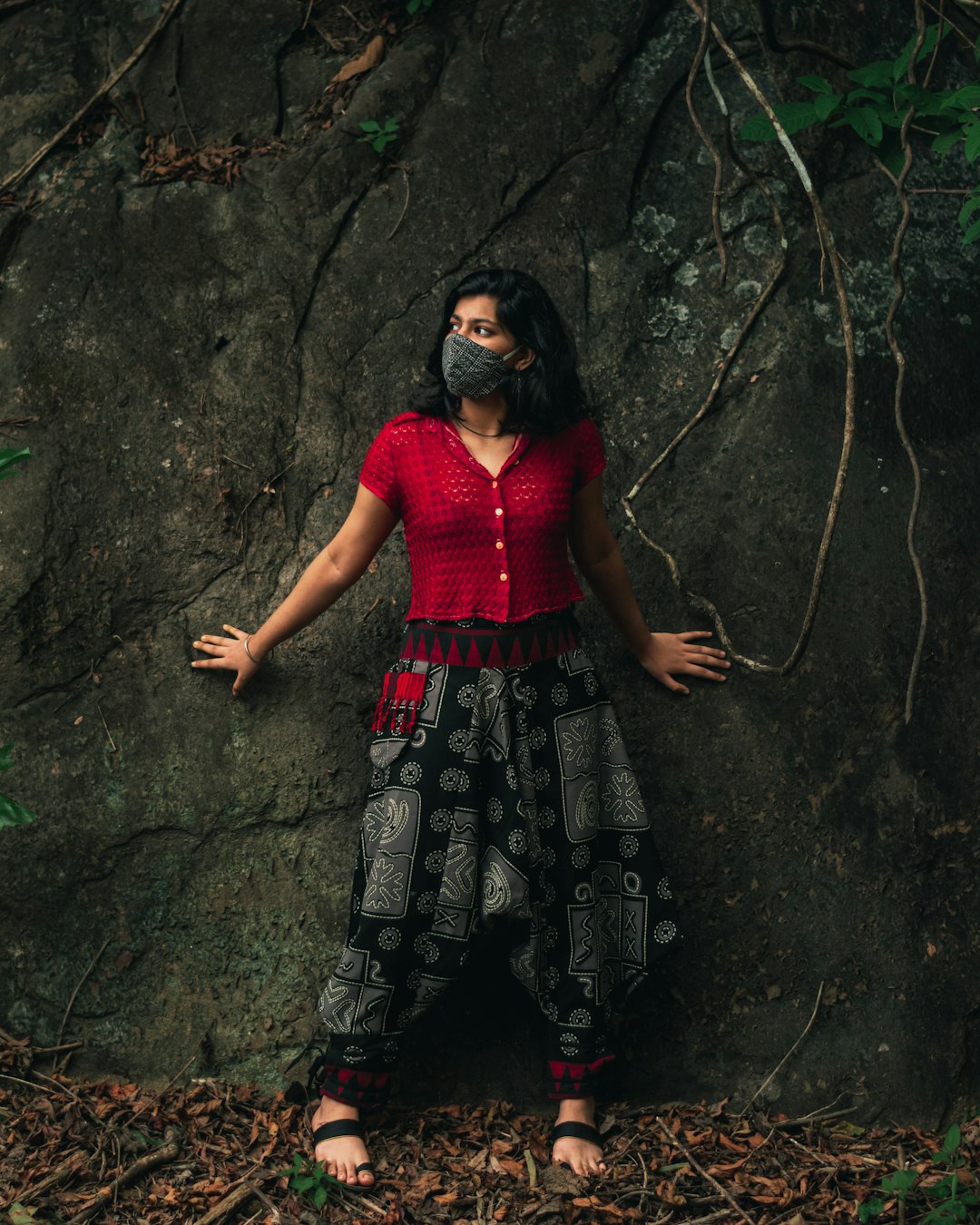
Tribal fusion boots — I didn't understand these until I watched a dancer named Suhaila Salimpour perform in a pair and realized she was literally anchored to the earth. The closed toe, the slight heel, the ankle support — it's designed for a grounded, powerful movement vocabulary. Tribal fusion has a different relationship with the floor than classical Egyptian style, and these boots respect that. If you're into ATS, Gothic belly dance, or anything that leans into weight and impact, these are worth the investment. They look absolutely fierce with a flowing skirt or wide-leg pants.
Barefoot shoes — controversial in the best way. The first time I danced in a pair of foot thongs or minimalist barefoot shoes, I felt like I'd been doing math in gloves and suddenly took them off. Every micro-movement became visible. The floor stopped being an abstract surface and became something I was actively in conversation with. These are brilliant for improvisation, for tribal fusion, for anyone doing a lot of floorwork or hip drops. The risk is obvious — no protection means every toe-stub and rough patch registers immediately. But if your dancing prioritizes connection and groundedness over spectacle, they're worth trying.
The Four Things That Actually Matter
Forget the marketing. When you're evaluating a pair of belly dance shoes, your checklist is simple.
Grip first. You need to know where your foot is at all times, especially during fast hip circles or weight transfers. Suede soles are the gold standard — they grip the floor without grabbing. Leather can be slippery on some surfaces and too sticky on others. If you're dancing somewhere with mixed flooring (carpet backstage, wood floor on stage), bring both pairs and switch accordingly.
Arch support that matches your foot. Not every foot is the same, and not every shoe works for every arch. If you have high arches, a completely flat shoe will hurt within twenty minutes. If you have flat feet, something too elevated will strain your knees. Try shoes on with your dance socks or bare feet, and actually stand in them for five minutes. Walk. Shimmy. Don't just stand there nodding approvingly at how they look.
Break-in time is real. The "they'll stretch!" theory of shoe buying has ended careers. Well, careers might be a strong word — but it's ended perfectly good performances with blisters the size of nickels. Wear your new shoes around the house starting three days before you need them. A little at a time. Let the leather or fabric map itself to your foot. Blisters don't care about your vision board.
Color and shine matter less than you think. I know dancers who spend $300 on stunning custom Khamsins that they can't actually dance in comfortably. The shoes I wore to win my first local competition were plain black leather with a modest heel — boring by every aesthetic metric. They were, however, glued to my feet like they'd grown there. The audience doesn't see your arch. They see your confidence. And nothing kills confidence faster than thinking about your shoes instead of the music.
A Word on Maintenance
This part's short but critical. Leather shoes need to breathe — don't toss them in a plastic bag after sweating through a set. Wipe them down with a damp cloth, let them air dry away from direct sunlight, and stuff them with newspaper to help them hold their shape. Suede soles will harden over time; a suede brush keeps them grippy. Rotate between pairs if you dance regularly. Shoes, like muscles, need recovery time.
---
The right pair of belly dance shoes won't make you a better dancer. Nobody will watch your next performance and say "wow, the arch support on those boots was incredible." But you'll know. And more importantly, you won't think about your feet at all — which means your body, your hips, your arms, and your heart can finally do the talking instead.