When the Music Finally Clicks
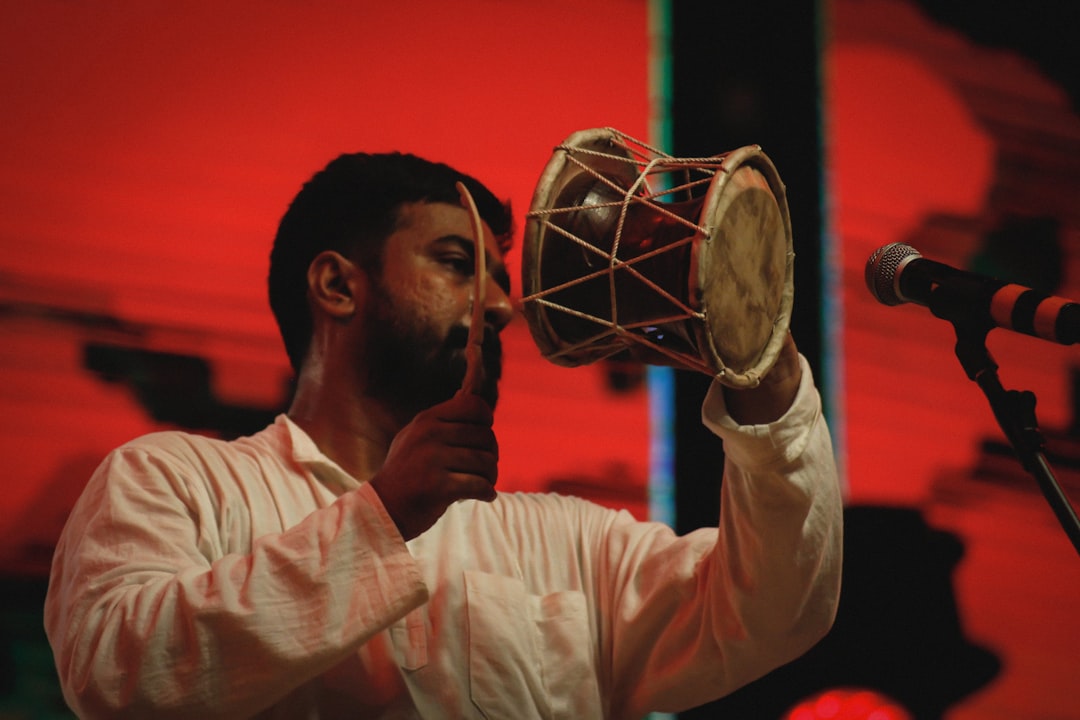
I'll never forget the first time I stopped counting and just danced. I was in my cramped apartment kitchen,反复 practicing a hip drop that refused to cooperate. My playlist had drifted into an old Hossam Ramzy track—something with a darbuka beat so sharp it could cut glass. Mid-drop, something shifted. My hips found the accent. The music wasn't background noise anymore; it was the reason my body moved at all.
That's the thing nobody tells you when you start belly dancing. You can drill isolations until your obliques scream, but if the music leaves you cold, your performance will too. The right track doesn't just accompany your routine—it hijacks your nervous system and makes your body answer before your brain catches up.
What Your Instructor Means by "Feel the Rhythm"
Belly dance music isn't a monolith. Walk into any Middle Eastern grocery store with a CD rack (yes, they still exist) and you'll find a dizzying split between genres that look identical to the untrained ear. Here's what you're actually hearing:
Raks Sharki carries the glamour most people picture when they think of belly dance. Think Umm Kulthum's sweeping orchestral arrangements, violins weeping over a steady 4/4 pulse. This is the music for controlled, liquid movements—the kind where your arms trace slow circles while your hips whisper something complicated underneath.
Flip the coin and you hit Saidi, straight out of Upper Egypt. It's earthy, swaggering, built on a heavy 4/4 stomp that practically demands you plant your feet and challenge the floor. Saidi is cane territory. It's playful, a little cocky, the musical equivalent of a raised eyebrow.
Then there's Baladi, which translates roughly to "of the country" or "folk." This one sneaks up on you. It starts slow, almost conversational, the accordion breathing out a melody that sounds like someone telling you a story over tea. Baladi builds. By the end, you're somewhere emotionally different from where you started, and your dance should reflect that journey.
Ayoub is the wild card. Fast, driving, almost trance-like in its repetition. Dancers typically break this out for short, explosive bursts—it's too intense to sustain, but unforgettable when placed right.
Matching the Mood Without Overthinking It
New dancers often ask me for a formula. They want a spreadsheet: "If I'm doing X movement, I need Y BPM." But bodies don't work like metronomes.
Start with this instead. Close your eyes and listen to a track. Does your ribcage want to slide with the qanun, or do your shoulders itch to pop with the drum? That's your body casting a vote. Trust it.
Tempo matters, but not the way you think. A slow Baladi can feel harder to dance than a fast Saidi because the slowness exposes every micro-movement. There's nowhere to hide. Conversely, an Ayoub track might feel forgiving at first—until you realize the speed requires precise, relaxed control rather than frantic energy.
Listen for the architecture. Good belly dance songs breathe. They have intros where you establish presence, verses for traveling steps, and those glorious instrumental breaks where the rhythm section takes over and you can explode into a drum solo. Map these moments mentally. The best performances happen when a dancer anticipates the musical drop the way a surfer reads a wave coming.
Three Tracks That Changed How I Move
I asked five professional dancers about the one song that taught them musicality. Three names kept surfacing.
"Enta Omri" (Umm Kulthum) remains the gold standard for Oriental. It's long—twenty minutes if you get the full recording—but within that expanse, the dynamics shift constantly. Dancing to it teaches patience. You can't exhaust your vocabulary in the first three minutes.
For Saidi, "El Leila" (Hossam Ramzy) delivers that quintessential heavy beat without clutter. The instrumentation stays clean enough that you can actually hear your own zills if you choose to play along.
"Ya Rayah" (Dalida) isn't strictly traditional Baladi, but its melancholic pull captures the genre's emotional core perfectly. I've seen hardened workshop instructors tear up during lyrical performances set to this. It reminds you that technique without feeling is just exercise.
The Kitchen Floor Method
Here's my actual practice routine. No studio required.
Put on your chosen track. Stand still. Don't dance yet—just let your weight shift naturally from foot to foot. When your body starts swaying without conscious decision, note the timestamp. That's your entry point. That's where the music hooked you.
From there, pick one accent per listen. First pass: only shoulder shimmies on the drum hits. Second pass: add hip accents where the violin swoops. Third pass: layer them without losing either. Record every single attempt. Your phone lying propped against a cookbook is enough. Watch it back not to critique your form, but to notice whether you were dancing with the music or merely on top of it. There's a difference. You can hear it in the footage.
If you hit a section where you consistently feel awkward, don't choreograph harder. Switch songs. Sometimes the mismatch isn't your skill—it's your chemistry with that particular arrangement.
Dance Like Someone's Watching—Because They Feel It Too
The most electric belly dance performance I ever witnessed wasn't technically perfect. The dancer missed a turn, laughed into the mistake, and kept going. But her musicality was so precise that the audience leaned forward every time a rhythm change approached, anticipating how she'd answer it.
That's your goal. Not flawless execution. Not impressive flexibility. The magic happens when spectators stop analyzing and start feeling something involuntary—a foot tapping, a held breath, a shiver they can't explain.
So stop scrolling through "Belly Dance Playlist" compilations hoping for a shortcut. Put on one track that makes your sternum buzz. Hit repeat until your neighbors wonder what's happening. Let the music teach you what your body already knows.
Your hips have always understood the rhythm. You just needed to get out of their way.