---
There's a moment in every belly dancer's journey where a song snags something deep in your chest and won't let go. For me, it was sitting in a cramped Cairo studio, exhausted from drilling figure-eights for the hundredth time, when the instructor dropped a track I'd never heard. Thirty seconds in, my hips moved differently. Not because I'd practiced more. Because the music had gotten under my skin.
That's the thing nobody tells you about belly dance music — it's not background noise. It's the actual teacher. When the right song hits, your body remembers what your brain forgot.
The Tracks That Build Your Foundation
If you're new to this world, start where generations of dancers have started: with the Egyptian classics. Not because they're "important" or "foundational" in that boring textbook way, but because these songs taught movement to countless performers before you.
Oum Kalthoum's "Alf Leila Wa Leila" runs about ten minutes, which feels terrifying until you realize that's the point. Long sustained notes force you to hold and float — no rushing, no shortcuts. Dancers call these "orchestra pieces" because the instrumental breaks let you improvise without the song rushing you along. Fairuz does something similar with "Ya Tayr El Tayr," but with a softness that pulls your movements inward. Think of these as your vocabulary builders.
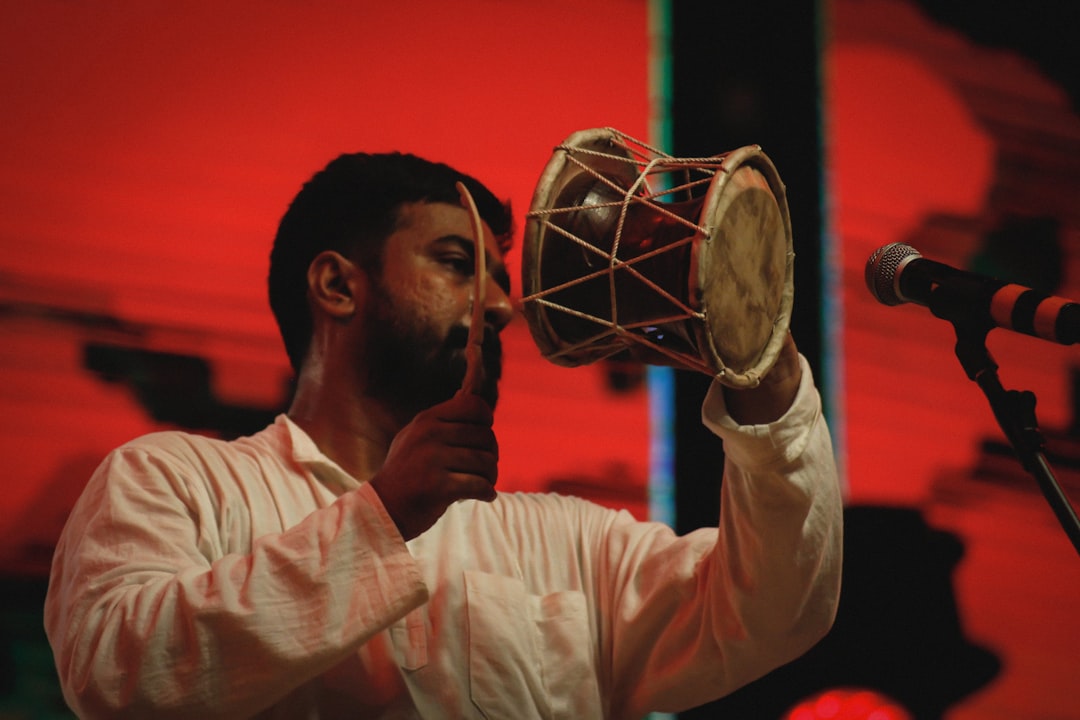
And then there's Hossam Ramzy. Look, I've taken classes where instructors played nothing but his "Sabla Tolo" for three months straight, and I used to groan when it came on. Now? I get chills. The percussion is relentless in the best way — it forces your isolation work to be sharp because the drums aren't going to wait for you to figure it out. He passed away a few years back, and the community still treats him like the godfather for good reason. No one else made drumming feel so danceable.
When You're Ready to Stretch
Once you've worn out a few classic albums, you'll start craving something with teeth. This is where the modern fusion stuff comes in — tracks that sound familiar but keep you guessing.
Azam Ali's "Elysium for the Brave" is the one I recommend to dancers who feel stuck in their comfort zone. "The Cypress Trees" specifically has these unexpected shifts — a Persian melody that suddenly drops into an electronic pulse — and learning to stay grounded through those changes teaches you something drills never could. It's not traditional, but it respects the tradition by refusing to stay still.
The Hossam and Serena collaboration "Arabian Travels" bridges old and new in a way that works perfectly for choreographies. If you've ever tried to choreograph to something and felt like the song was working against you, try this album. The production isclean, the layers are intentional, and it actually leaves space for dancing instead of drowning you in sound.
The New Blood
Here's what excites me right now: new artists who grew up with both traditional belly dance music and whatever was streaming. They're not choosing between old and new — they're smashing them together.
The Cairo Cats are one to watch. They're doing what rock bands did in the 70s — taking traditional Egyptian songs and amplifing them — except with pop sensibility so it doesn't feel like a museum piece. Great for buildingStage presence because the energy is just... big. Unapologetic.
Nahara takes the opposite approach — electronic production paired with traditional vocal samples. The first time I heard her work in a choreography workshop, the instructor paused the track just to point out how the beat pattern was intentionally tricky. That's the kind of artist who makes you sharper without trying.
And Zara & The Gypsies — okay, their name is a little on-the-nose, but the music doesn't lie. They pull from Romani traditions that belly dance already borrows from, then add live violin and modern bass. The combination sounds chaotic until you dance to it, and then it clicks.
Your Turn
What matters most isn't whether you start with Oum Kalthoum or Spotify's "Belly Dance Workout" playlist. What matters is finding the songs that make movement feel inevitable — where your body responds before your brain can overthink it.
Start broad, get specific, and don't apologize for whatever weird phase gets you hooked. That's how you find your sound.