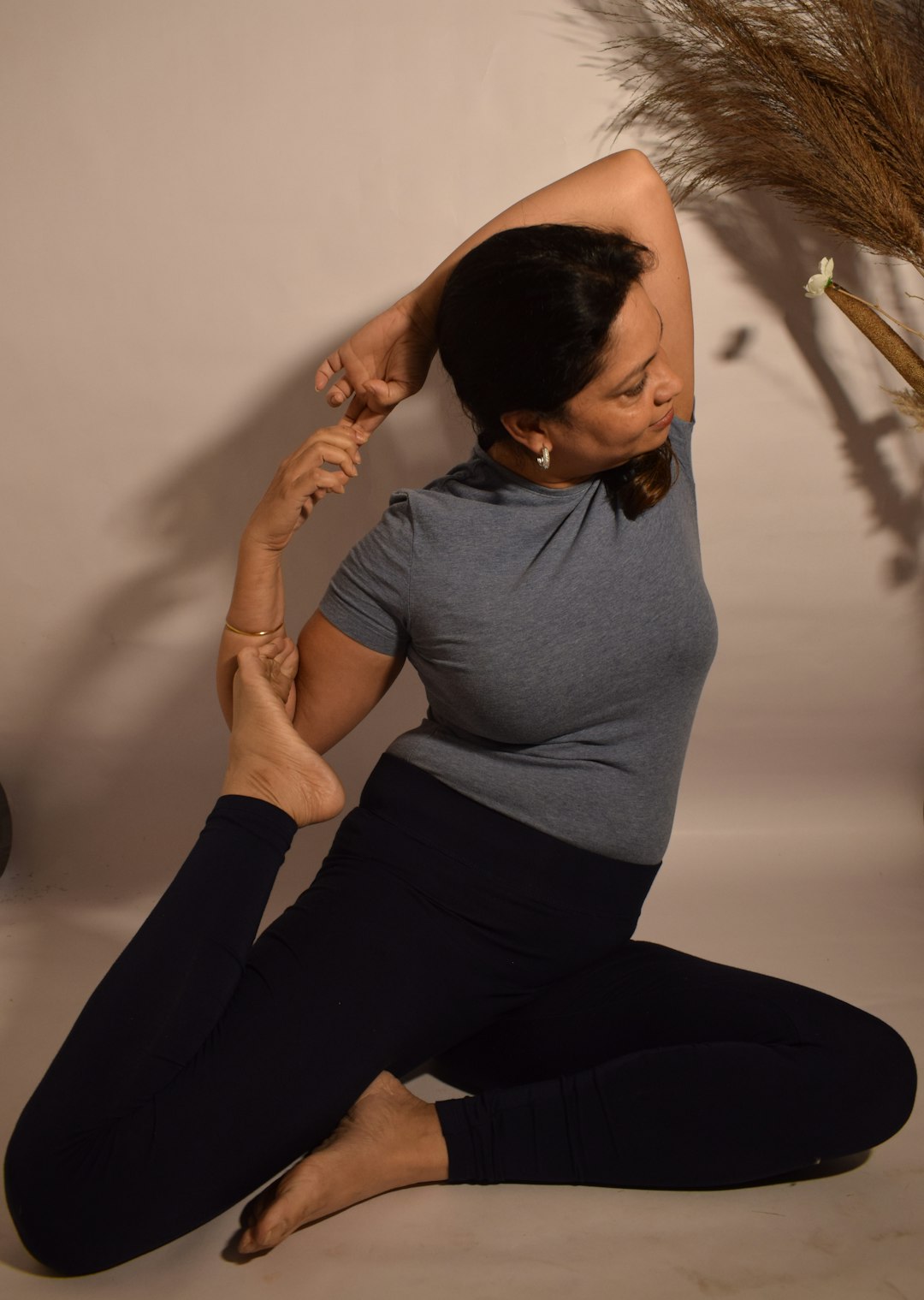
When the Floor Becomes Your Partner
Three years into contemporary dance, I still remember the moment everything clicked. I'd been struggling with a floor sequence for weeks—my transitions felt clunky, my weight transfers labored. My teacher watched me flounder and said, "You're dancing in socks. Stop fighting the floor and start feeling it."
That afternoon, I bought my first pair of contemporary dance shoes. Not the padded jazz sneakers I'd been wearing. Not the ballet slippers I thought might work. Real contemporary shoes—the kind with thin, almost-there soles that let you grip, slide, and connect.
The difference? Night and day.
What Nobody Tells You About "Barefoot Feel"
Here's the thing about contemporary work: your feet are doing things they were never evolutionarily designed to do. Spinning on one toe. Dragging your weight across the floor on your knuckles. Launching into jumps from positions that would make a podiatrist weep.
The shoes you pick aren't just accessories—they're either helping you survive this or actively working against you.
Thin soles sound scary until you realize that's the whole point. You need to know exactly where your weight sits. You need to feel if you're on the ball of your foot or slipping back toward your heel mid-pirouette. A thick, cushioned sole? It's like typing with oven mitts. Sure, your feet are protected, but you've lost all sensitivity.
The Material Question That Actually Matters
Leather molds. It takes about two weeks of consistent wear, but suddenly those shoes become your shoes—the left one stretched exactly where your bunion presses, the right one accommodating that weird callus on your pinky toe.
Synthetic? Cheaper, sure. Faster to break in. But they'll never hug your foot quite the same way. For dancers who rehearse four hours a day, that molding process is worth every extra dollar. For Sunday class-takers, synthetic might be perfectly fine.
Know who you are. Buy accordingly.
The Laces Versus Slips Debate (And Why It's Personal)
I'm a lace-up person. There, I said it. During an intense floor phrase, I need to know my shoes aren't going anywhere. Slip-ons have betrayed me mid-performance—not dramatically, just a subtle shift that threw off my balance for the next eight counts.
But I've watched dancers swear by slip-ons for years. They love the quick on-off between combinations. They don't want to think about laces during improvisation. Fair enough.
Try both. Not in the store mirror—in class, during actual movement. That's where the truth comes out.
The Test Drive That Saves You Money
Dancewear shops expect you to actually move in their shoes. Take them up on it. Don't just walk around the store feeling fancy. Do a plié. Try a turn. Get down on the floor and see how the sole responds when you drag across it.
If the shop won't let you test properly, find one that will. This isn't like buying jeans where you can suffer through an imperfect fit. Bad dance shoes follow you into every performance, every rehearsal, every moment you're trying to be present in your body.
A Word About Outdoor Sins
Your contemporary shoes are studio-only. Period. Not "just to walk to the car." Not "quick coffee run." The concrete outside will chew through those thin soles in weeks, and the dirt you track back in? Your studio floor—and every other dancer's knees—deserve better.
Keep a separate pair of street shoes by the door. Make the switch automatic. Your shoes will last months longer, and your studio will thank you.
The Pair That Finds You
There's no universal "best" contemporary shoe. Just the one that disappears on your foot—the pair you stop thinking about mid-phrase because they've become extension, not equipment.
When you find them, you'll know. And your dancing will change.