From ethereal sylph to powerhouse performer—how the 21st century is redefining the ballet body, mind, and craft.
The End of the "Wisp" Aesthetic
The Romantic era's ideal of the frail, pale sylph is a relic. Today's choreographers—from Wayne McGregor to Crystal Pite—create vocabulary that demands extreme physicality: hyper-extensions, off-center balances, explosive jumps, and partner work that resembles aerial acrobatics. The body required to execute this is not just lean; it's robust. You see defined deltoids, powerful quadriceps, and rock-solid cores. The dancer's instrument is now understood as a complete athletic system.
"We are not just artists telling stories with our faces and hands. We are sprinters, weightlifters, and marathoners, all in one performance. The strength is not hidden anymore; it's part of the expression." — Principal Dancer, anonymous
The Cross-Training Revolution
Gone are the days when ballet class alone was sufficient preparation. The modern ballet dancer's regimen is holistic and interdisciplinary:
- Pilates & Gyrotonics: For deep core strength, spinal articulation, and injury prevention.
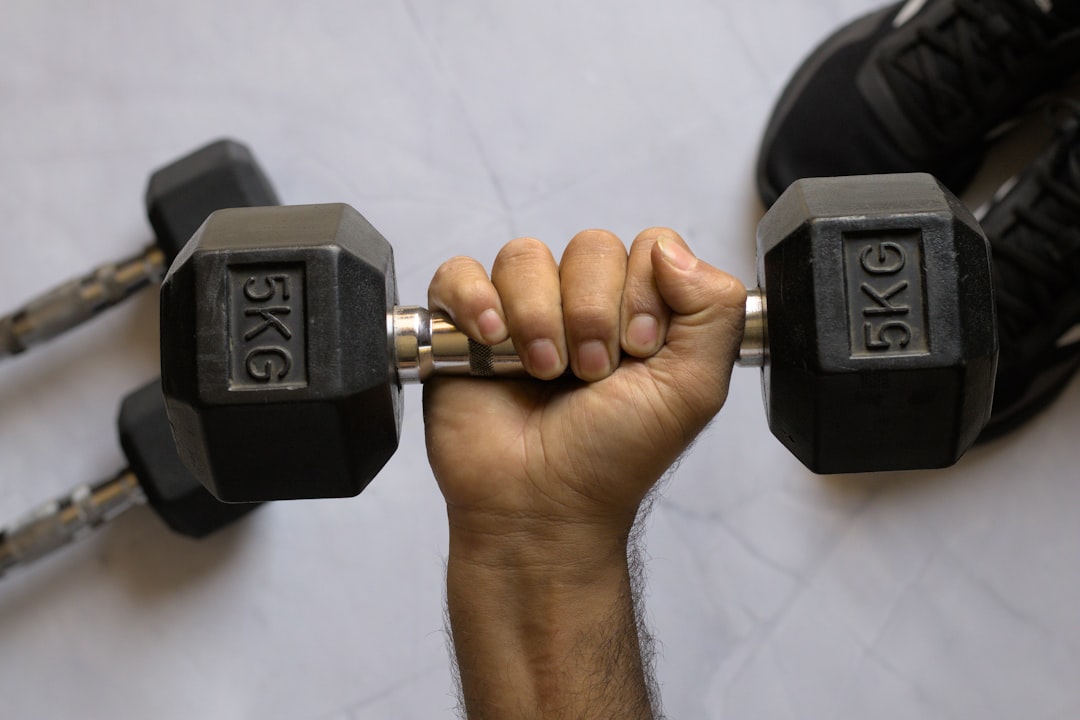
- Weight & Resistance Training: Targeted work to build power for jumps and stability for lifts, supervised by physiotherapists.
- Sports Psychology: Mental resilience training, visualization, and performance mindset coaching are now standard.
- Nutritional Science: Fueling for performance and recovery, not just weight management. The focus is on protein, complex carbs, and hydration.
42%
Increase in average vertical jump height among corps de ballet dancers over the past 20 years, attributed to targeted strength training.
67%
Of professional companies now employ full-time physical therapists and strength coaches, a near-universal standard for elite sports teams.
30+
Average career span in years is expanding, as smarter training reduces wear-and-tear, allowing dancers to peak later and perform longer.
Mindset: From Obedient to Empowered
This physical evolution is mirrored by a cultural one. The authoritarian "ballet master" model is giving way to collaborative environments. Dancers are encouraged to understand their biomechanics, voice concerns about pain, and participate in crafting their training. They are advocates for their own bodies. This shift is crucial for longevity and mental health, combating the toxic silence that once surrounded injury and fatigue.
The Aesthetics of Power
This newfound strength is changing how ballet looks and feels. The lines are bolder, the movements more dynamic, the physical risk more apparent—and therefore, the emotional stakes are higher. When a dancer holds a seemingly impossible balance, we now viscerally understand the muscular effort involved. The grace is earned, not bestowed. It makes the performance more human, more relatable, and in many ways, more breathtaking.
The ballet athlete of today embodies a beautiful paradox: immense power wielded with exquisite control. The art form has not lost its soul of beauty and ethereality; it has grounded it in a stronger, smarter, and more sustainable reality. The grace remains, but now we see—and celebrate—the formidable strength that holds it aloft. This evolution isn't just changing dancers' bodies; it's deepening the very impact of the art, one powerful, graceful step at a time.