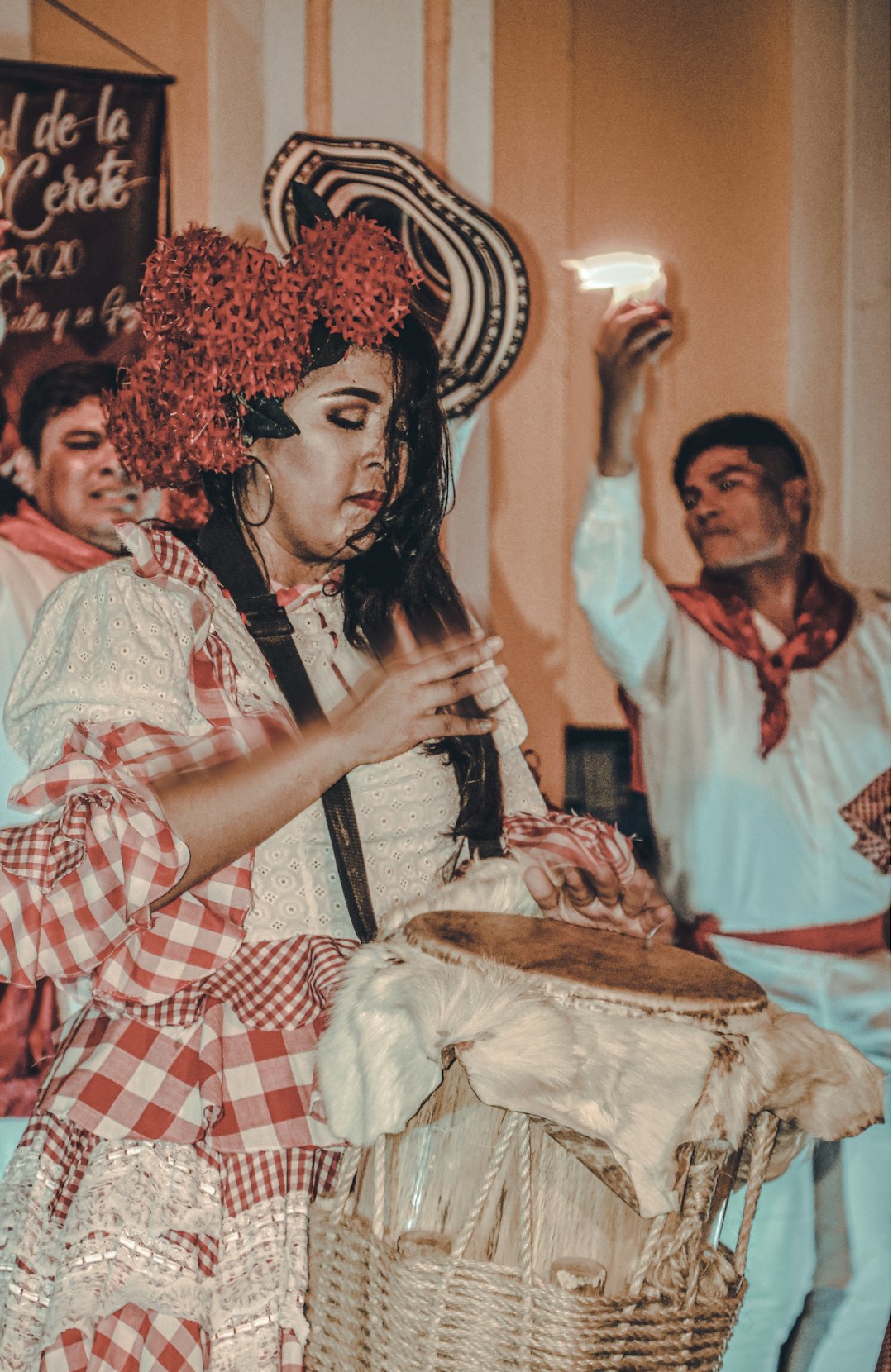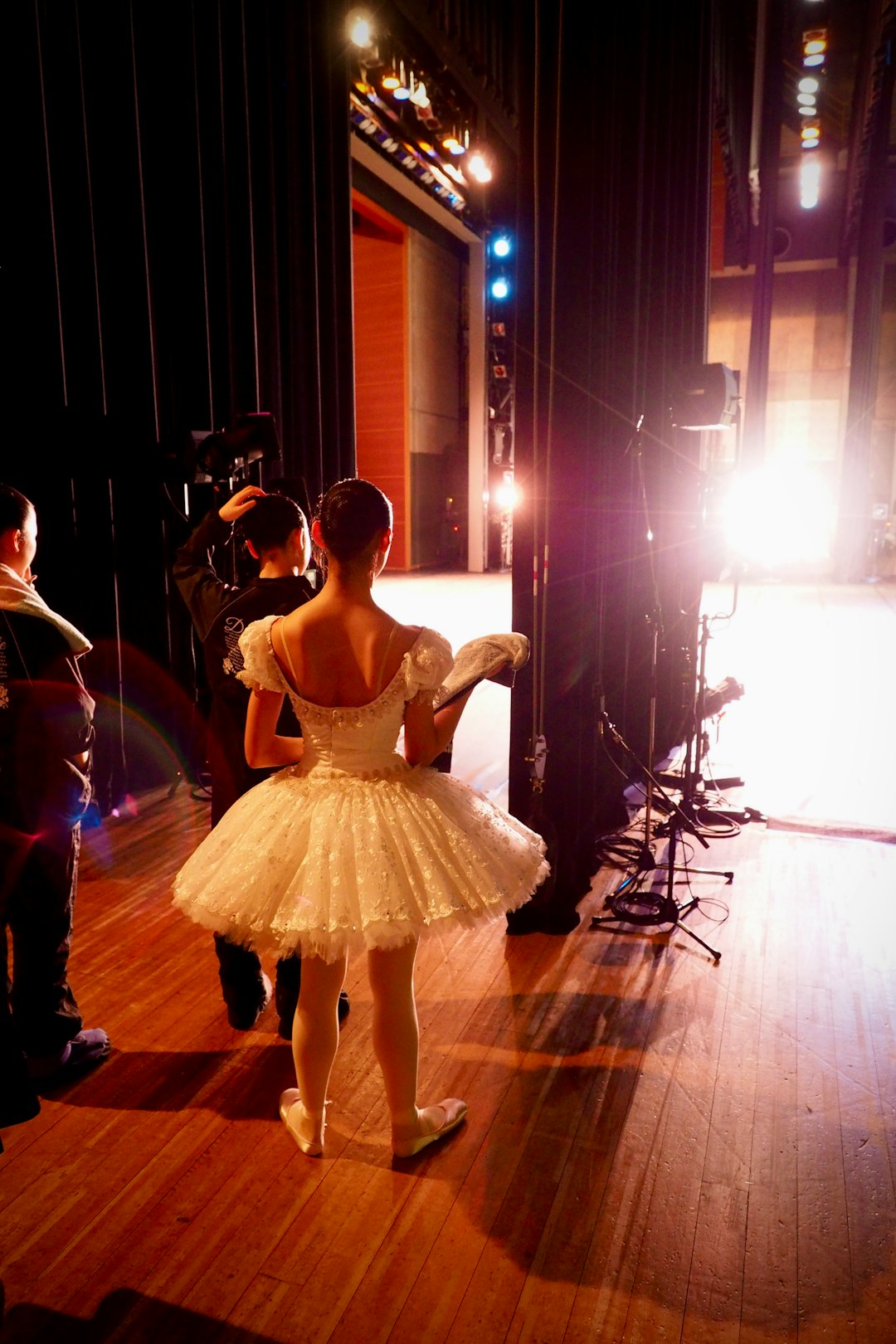
The wrong shoes don't just hurt your feet—they steal your balance on a swingout, stick to the floor during a Charleston, or send you sliding into your partner's knees. Whether you're stepping into your first beginner lesson or preparing for your hundredth social dance, your footwear choice can make the difference between a night of effortless movement and one spent apologizing for stepped-on toes.
This guide breaks down everything you need to know to choose swing dance shoes that actually work for your body, your style, and the floor beneath you.
1. Start With Your Dance Style
Before you browse brands or compare prices, identify which swing dance you'll primarily practice. Each subgenre demands different footwear traditions:
Lindy Hop / Charleston: These athletic, high-energy styles reward low-profile sneakers or leather-soled oxfords that accommodate jumps, kicks, and slides. Keds Champions remain the vintage purist's choice; modern dancers often prefer Aris Allen or Remix Vintage for better arch support.
Balboa: Thin, flexible soles are non-negotiable for this close-position dance with constant pivoting. Standard swing shoes often feel clunky here—leather-soled dress shoes or dedicated Balboa flats outperform them significantly.
West Coast Swing: Suede-soled ballroom shoes dominate this slot-based, smooth style. The dance's controlled gliding requires less friction than Lindy Hop, making leather or hybrid soles ideal.
Collegiate Shag: Fast footwork demands lightweight shoes with minimal break-in time. Canvas sneakers or thin-soled leather options work best.
2. Choose Your Sole Material (The Make-or-Break Decision)
Sole material determines how you connect with the floor more than any other factor. Yet most beginners discover this only after buying the wrong pair.
| Material | Best For | Drawbacks |
|---|---|---|
| Suede | Wooden dance floors; social dancing | Requires regular brushing; dangerous on concrete or tile |
| Leather | Fast slides; vintage aesthetics; Balboa | Wears faster; slippery on polished floors |
| Rubber | Street wear; outdoor dancing | Often too grippy for pivots and turns |
| Hybrid (chrome leather, microfiber) | Versatility across venues | Compromise solution; master of none |
Pro tip: Experienced dancers often carry a second pair for unexpected venue changes. That gorgeous suede-soled shoe becomes a liability when the social moves to a concrete-floored bar.
3. Prioritize Comfort That Lasts Hours
Comfort should extend beyond the first ten minutes. After three hours of Charleston kicks, a thin insole becomes a bed of nails.
Fit checkpoints:
- Standing with full weight, you should have thumbnail-length space between your longest toe and the shoe's end
- The shoe should feel snug around the heel and midfoot without pinching
- Try dancing in them—some shoes feel fine walking but twist uncomfortably during pivots
Warning signs to avoid: Pressure points at the ball of the foot, heel slippage during turns, or toes touching the front when standing. Feet swell during dancing; morning fittings often lead to afternoon regrets.
4. Get the Support Your Role Demands
Follows and leads have different structural needs:
For follows: Look for a sturdy heel between 1.5–2.5 inches. This height provides stability for turns while maintaining connection with the floor through your center. Higher heels shift weight forward dangerously; completely flat shoes strain the Achilles during backward movements.
For leads: Flats or heels under 1 inch keep you grounded for clear leading. A wide base at the forefoot helps with balance during complex footwork.
All dancers benefit from a snug fit around the ankle and sufficient arch support—particularly if you have high arches or flat feet. Consider aftermarket insoles if the stock option lacks structure.
5. Match Traction to Your Movement
Traction needs vary by dance style and personal preference. Lindy Hoppers generally want more grip than Balboa dancers who live in constant rotation.
Test your shoes with this sequence: walk, pivot, slide, stop abruptly. You should feel controlled movement without sticking or skating. If you hear squeaking on a wooden floor, your soles may be too grippy for comfortable pivots.
6. Invest in Durability (With Realistic Expectations)
Quality dance shoes withstand resoling, brushing, and repeated stress in ways street shoes cannot. Look for:
- Full-grain leather or reinforced canvas uppers
- Stitching rather than glued construction
- Replaceable soles (particularly for suede options)
Lifespan benchmarks: Quality entry-level pairs ($80–$150) typically last 1–2 years of regular social dancing. Custom or vintage reproductions ($200–$300+) can extend longer with proper care. Budget options under $60 often