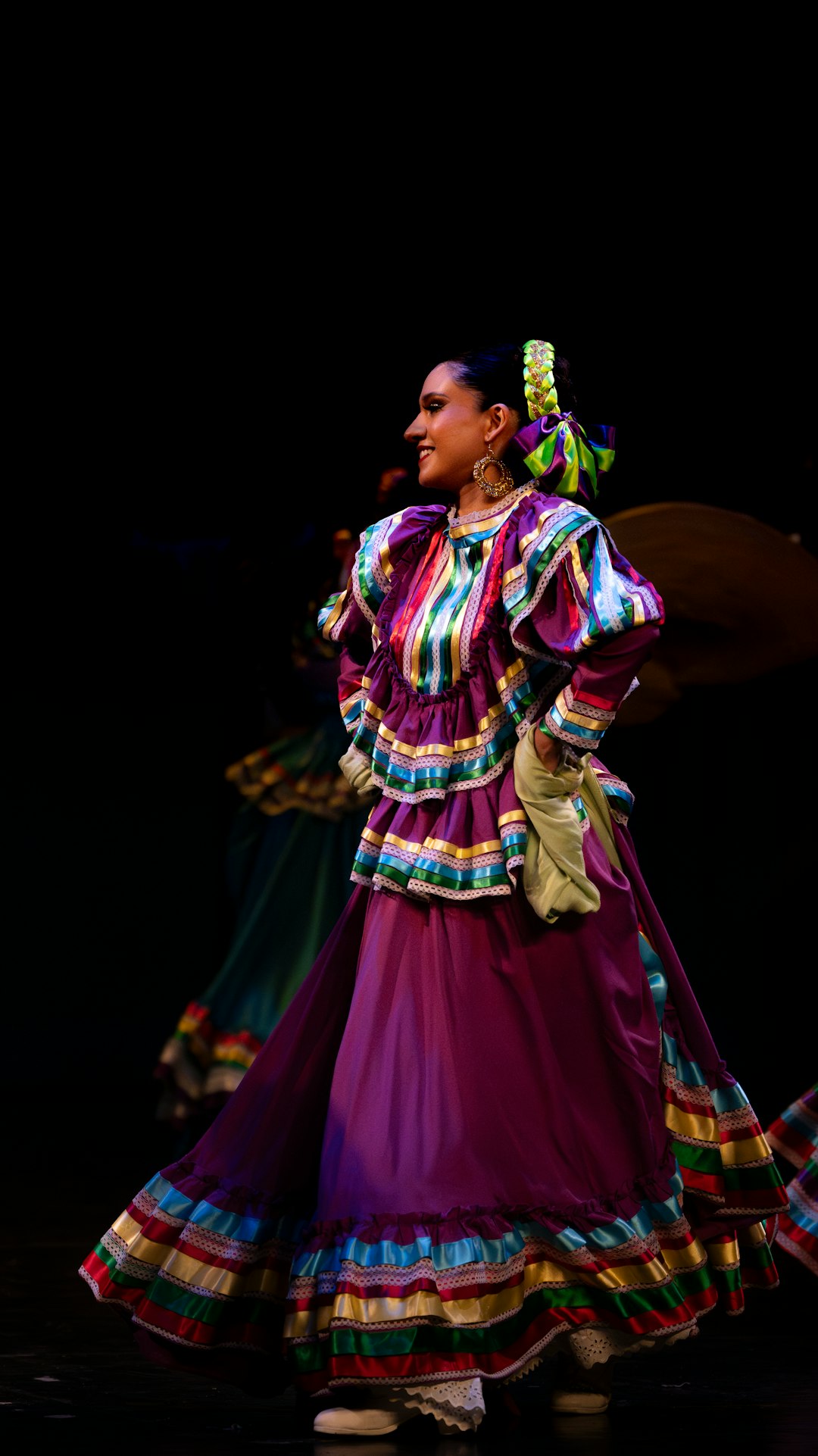
In a Buenos Aires milonga, dancers move counterclockwise in silent conversation—no choreography, no planned sequences. This is Argentine tango, and its apparent simplicity conceals decades of refined technique. For beginners, the path to that floor starts with four non-negotiable foundations.
This guide assumes you're learning Argentine tango, the social dance born in late-19th-century Buenos Aires. If you're training for competitive ballroom, your fundamentals differ significantly—more on that distinction below.
1. Choose Your Tango Style (And Why It Matters)
Before lacing up shoes, know which tango you're pursuing:
| Style | Characteristics | Best For |
|---|---|---|
| Argentine Tango | Improvised, close embrace, walking-based, social-focused | Lifelong social dancing, musical expression |
| American Tango | Choreographed patterns, open frame, theatrical presentation | Performances, ballroom competitions |
| International Tango | Strict technique, staccato movement, competitive judging | Sport dancing, standardized exams |
Most beginners unknowingly mix these approaches, creating frustration. Confirm your instructor's style in your first lesson. This blueprint focuses on Argentine tango—the most widely practiced globally and the most forgiving for adult beginners.
2. Master the Walk Alone (Your Hidden Superpower)
The tango walk (caminata) separates competent dancers from perpetual beginners. Unlike ballroom dances, tango walking moves you into your partner's space. Master this solo before adding complexity.
Solo Practice: The Kitchen Floor Drill
Duration: 15 minutes daily
Tempo: 60 beats per minute (slower than you think)
- Posture: Stand with weight over the balls of your feet, knees soft, chest lifted but not arched
- Collection: Step forward, bringing feet together with the back foot sliding to touch the front ankle—no gap, no weight shift yet
- Projection: Send the free foot forward before transferring weight, as if testing ice
- Repeat: Walk the length of your kitchen, then backward (harder than it appears)
Common Beginner Mistake: Rushing. If you can't walk cleanly at 60 BPM, you can't dance cleanly at 120 BPM.
3. Learn the Embrace and Connection
Tango's "frame" differs fundamentally from ballroom. You don't hold your partner at arm's length—you embrace.
Two Embrace Types
| Close Embrace | Open Embrace | |
|---|---|---|
| Contact | Chest-to-chest, heads touching or nearly so | Space between torsos, arm's length connection |
| Use | Crowded floors, traditional milongas | Learning patterns, complex movements |
| Beginner Tip | Start open; graduate to close as balance improves |
The Connection Checklist
- Leaders: Initiate movement from your center (solar plexus), not your arms. Arms communicate; they don't command.
- Followers: Maintain forward intention into the embrace—leaning away creates disconnection.
- Both: Breathe. Tension travels; relaxation enables responsiveness.
Practice with a partner twice weekly minimum. Solo drills build technique; partnered practice builds dancing.
4. Add Three Core Patterns
Once your walk is steady and your embrace connected, layer these foundational movements:
The Cross (Cruzada)
A natural resolution where the follower crosses one leg over the other. Occurs when the leader walks outside partner's right side, then stops while continuing to rotate torso left. The follower's free leg crosses automatically—don't force it.
Solo practice: Walk forward, pivot 90° left, collect feet crossed (right over left for followers, left over right for leaders). Repeat until unconscious.
The Ocho (Figure Eight)
A pivoting step tracing a figure-eight pattern on the floor. Builds from the cross: after the cruzada, leader invites follower to pivot on crossed leg, then step back into the next forward walk.
Key detail: The pivot happens before the step. Rushing this creates the "beginner wobble."
The Rock Step (Rebote)
A change of direction without traveling. Essential for crowded floors. Step forward, transfer weight, immediately return. Practice to D'Arienzo's faster recordings.
5. Internalize the Music
Tango music operates in 2/4 or 4/4 time with distinctive phrasing: typically 8-bar phrases that build to a musical "question" answered in the next phrase.
Your Listening Curriculum
| Week | Focus | Recommended Recording |
|---|---|---|
| 1-2 | Clear, |