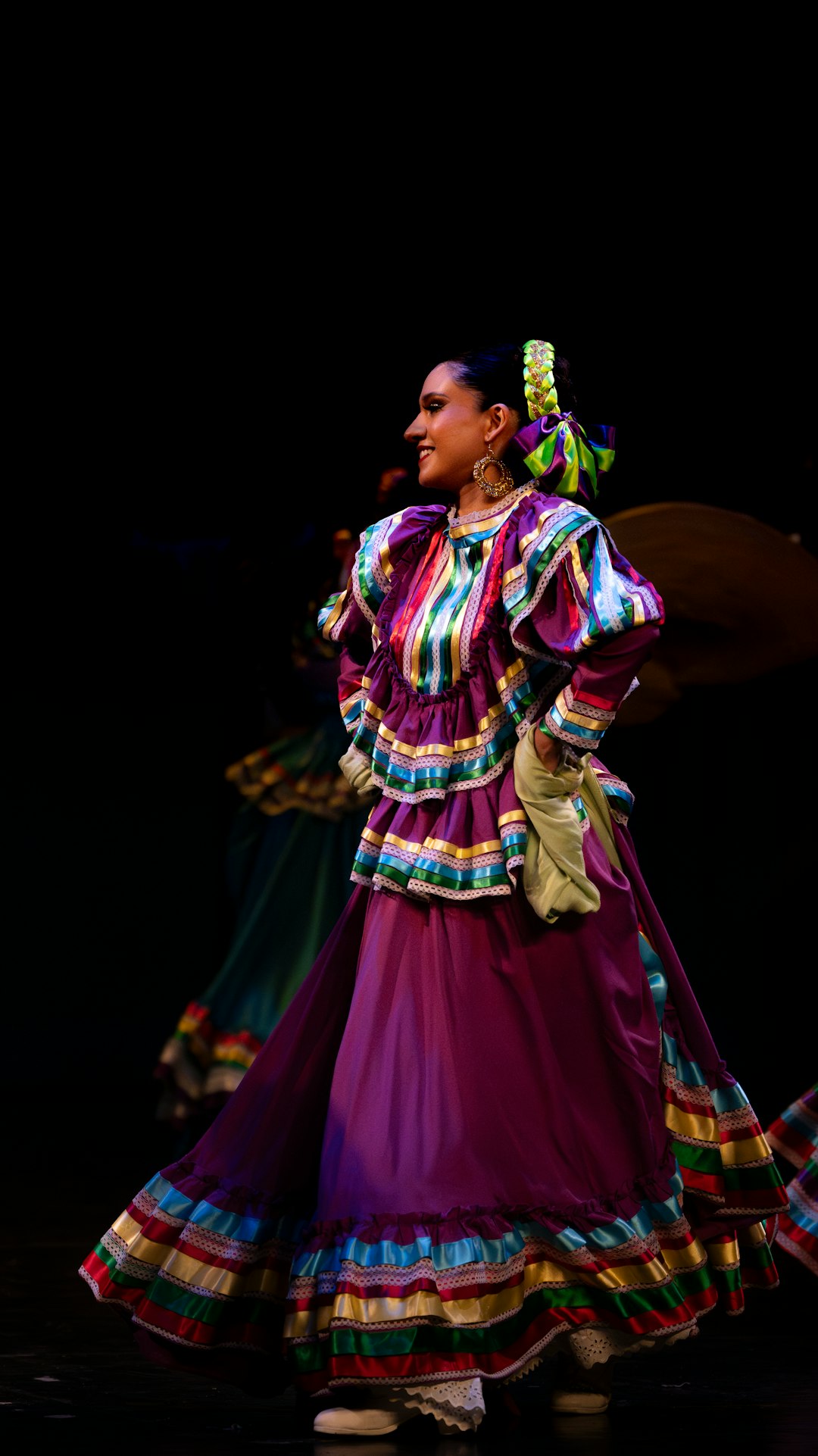
The bandoneón exhales. A single sustained note fills the dim room, and somewhere in the half-light, two bodies find each other. No words pass between them—only the invitation of a glance, the closing of distance, the settling into an embrace that will last exactly one song. This is tango: not a performance for others, but a three-minute conversation between strangers who may never share a language beyond this.
Born in the late 19th-century ports of Buenos Aires and Montevideo, tango emerged from the collision of immigrant cultures, African rhythms, and European melodies. Today it spans the globe, yet its essence remains stubbornly unchanged. You cannot master tango through choreography alone. You must learn to listen, to wait, to propose and respond. The path from beginner to accomplished dancer is measured not in months but in years—and the transformation reaches far beyond your feet.
Build Your Foundation: The Walk as Conversation
Every tango begins with walking. Not glamorous, perhaps, but revolutionary in its demands.
The tango walk consists of two distinct roles in dialogue. The leader proposes direction, timing, and energy through intention rather than force. The follower receives, interprets, and responds—often adding musical interpretation the leader never anticipated. This exchange happens through the torso, not the arms. Think of your embrace as the connection point where two nervous systems merge into one rhythmic organism.
Start here: Dedicate ten minutes daily to solo walking practice. Step slowly across your floor, weight fully committed to each foot before the next moves. Practice to Francisco Canaro's steady rhythms or Carlos Di Sarli's walking tempos. Film yourself monthly. The transformation from mechanical stepping to grounded, purposeful movement happens gradually—then suddenly.
Avoid the common trap of collecting steps too quickly. The ocho, the cross, the giro—these patterns mean nothing without the walking conversation that carries them. A dancer with elegant walks and three simple figures moves with more authority than one who knows twenty patterns without connection.
Choose Your Teachers Wisely
Not all tango instruction serves the same purpose. Before committing to lessons, clarify what you seek.
Performance tango emphasizes visual spectacle: extended legs, dramatic poses, choreographed sequences. Social tango prioritizes the embrace, navigation in crowded spaces, and improvised conversation with partners you'll never rehearse with. Most beginners don't realize these represent different disciplines with overlapping but distinct skills.
Evaluate potential instructors through observation:
- Do their students dance at local milongas, or only in class?
- Is there explicit attention to posture, axis, and balance—or immediate pattern accumulation?
- Does instruction address both roles, or reinforce rigid gender assumptions?
- Can the instructor articulate why a movement works mechanically, not merely demonstrate how?
Group classes build vocabulary and community. Private lessons accelerate technical correction. Ideally, pursue both: absorb patterns in groups, then dismantle and rebuild your fundamentals one-on-one. Budget for at least quarterly private sessions even as an intermediate dancer—blind spots accumulate without external eyes.
Practice Smarter, Not Just Longer
Neuroscience of motor learning offers counterintuitive guidance. Fifteen concentrated minutes daily surpasses two hours weekly. Sleep consolidates skill; distributed practice outperforms cramming.
Structure your sessions deliberately:
| Focus | Duration | Example Activity |
|---|---|---|
| Technique isolation | 5 min | Solo walking, balance exercises, dissociation drills |
| Musical training | 5 min | Marking rhythm with feet while seated; identifying phrase endings |
| Partnered practice | 5 min | Single concept explored with repetition (one type of ocho, one exit) |
Rotate your musical diet strategically. Juan D'Arienzo's driving rhythms sharpen timing precision. Aníbal Troilo's rubato demands elastic responsiveness. Osvaldo Pugliese's dramatic architecture teaches structural awareness. Dancing only to your favorites creates dangerous predictability.
Record yourself regularly. The mirror lies; the camera reveals. Watch without judgment for postural collapse, rushing, or disconnection between upper and lower body. Most dancers discover they've been rushing the beat by a quarter-second for months without realizing.
Study the Living Archive
Tango transmits through bodies, not books. Build your visual library with intention:
For embrace philosophy: Watch Carlos Gavito—particularly his late performances where minimal movement carries maximum intensity. Study how his chest remains the center of communication while his feet do almost nothing.
For technical precision: Analyze Geraldine Rojas's axis control and leg extension. Notice how preparation precedes every movement; nothing arrives unannounced.
For contemporary musicality: Follow Facundo Piñero and Vanesa Villalba, who demonstrate that traditional structure accommodates infinite personal expression.
Watch once for emotional impact. Watch again for mechanical execution. Watch a third time with sound muted to observe breathing, preparation, and partnership dynamics