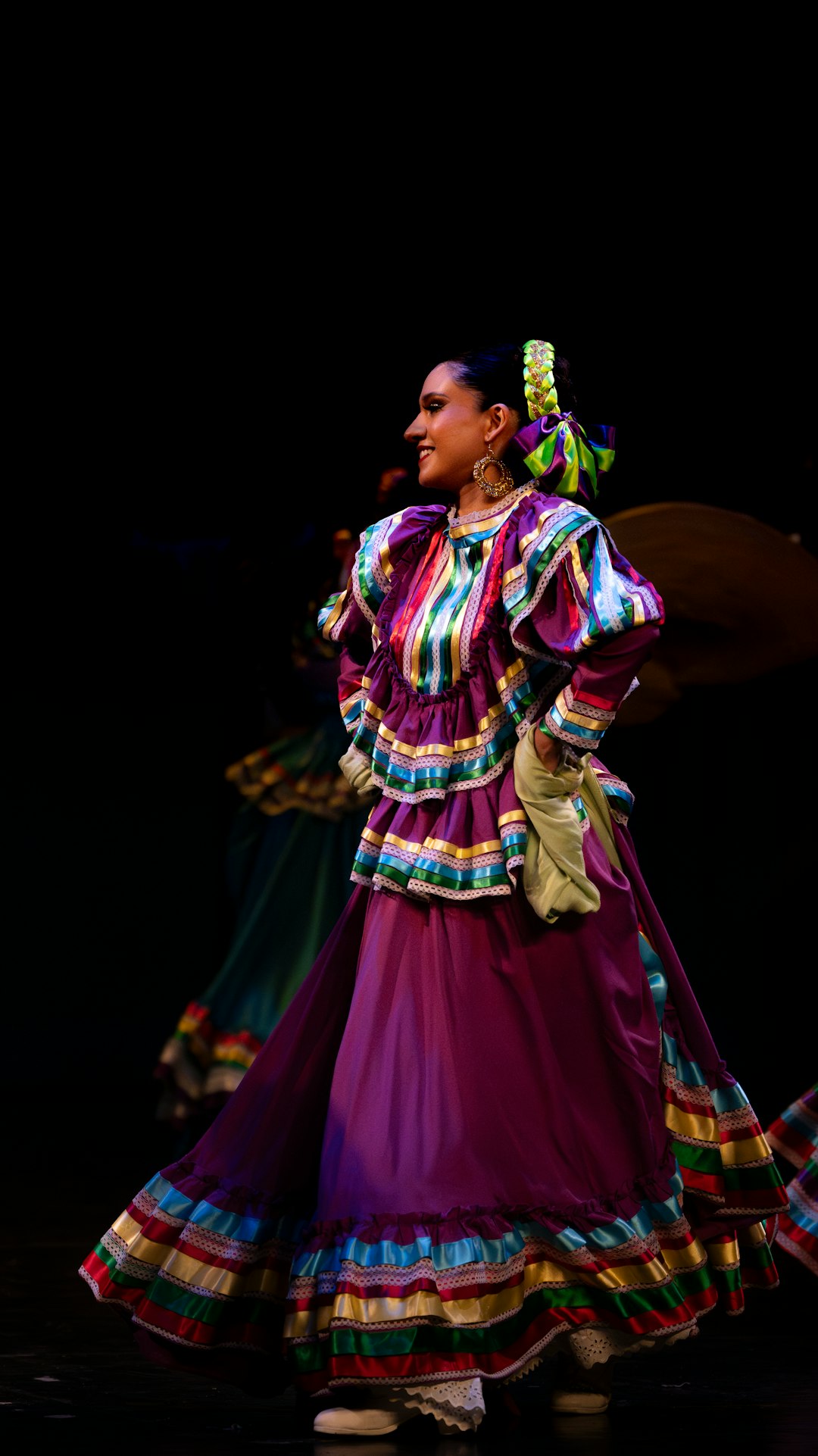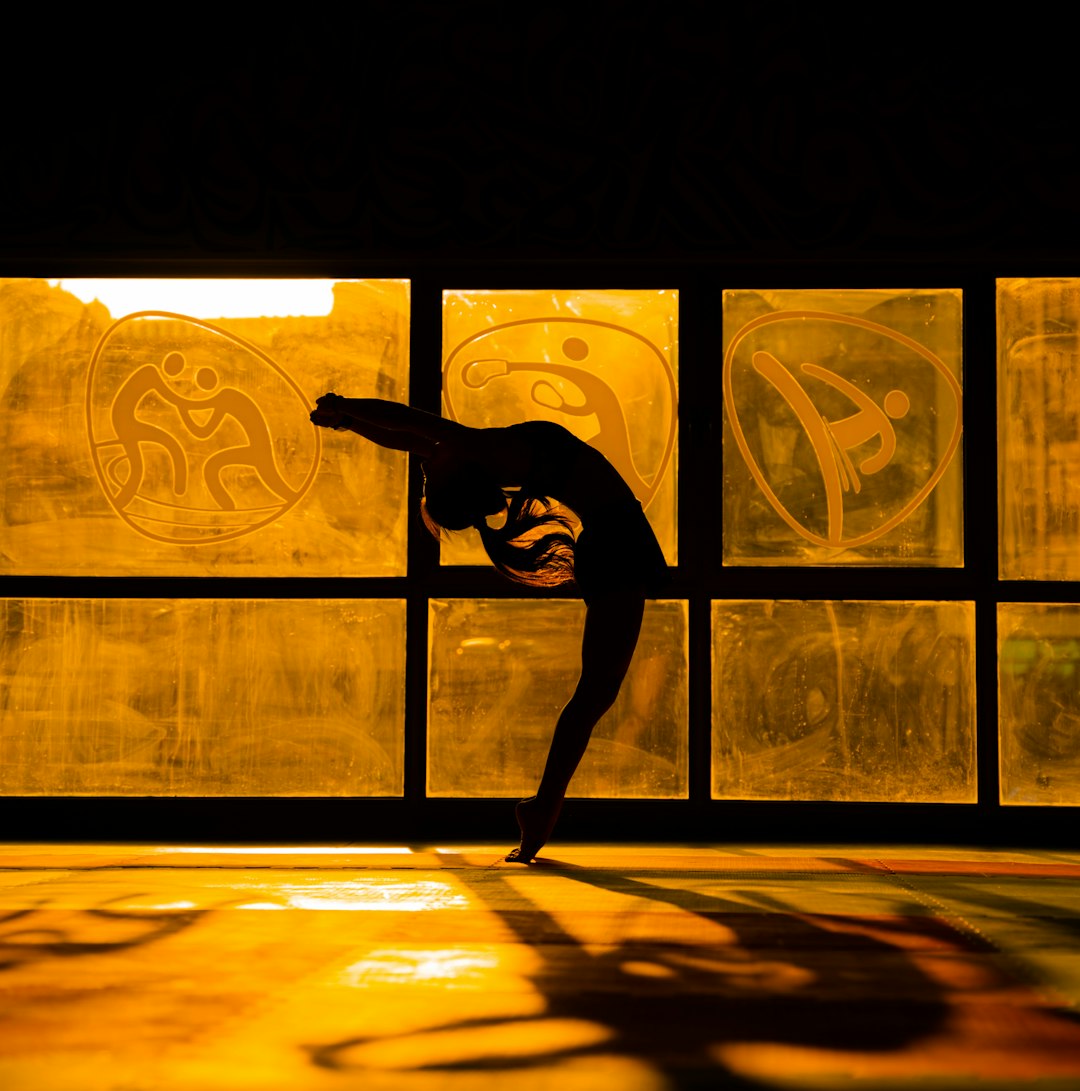
The milonga is packed. Bodies move in close embrace, navigating the counterclockwise flow with millimeters to spare. A violin phrase crests, and without a word, one dancer suspends her partner's step—just for a heartbeat—before releasing into the next movement. The crowd doesn't applaud; they don't need to. The duende is understood.
This is what distinguishes a Tango professional from a competent amateur: not any single skill in isolation, but the seamless integration of five interconnected competencies. Whether you teach, perform, or compete, these elements form a system where each strengthens the others. Technique without musicality is gymnastics. Musicality without connection is solo dancing. Connection without style is functional but forgettable.
Here is the toolkit that working professionals actually use.
The Framework: How the Skills Interact
Before examining each element, understand their relationships. Technique provides the vocabulary. Musicality supplies the grammar. Connection creates the conversation. Style gives you your voice. Performance amplifies it for those watching. Neglect one, and the others compensate poorly. A performer with weak technique can fake style for thirty seconds; a milonga DJ with poor musicality destroys the floor within three tandas.
The professional's goal is integration—what Buenos Aires dancers call caminar con todo (to walk with everything).
1. Musicality: Beyond Counting to Eight
Musicality in Tango is not generic "feeling the music." It is literacy in a specific sonic architecture built by orquestas from 1935 to 1955 and reinterpreted ever since.
The structure: Dancers must hear the compás (underlying pulse), the fraseo (melodic phrasing, typically 8-bar units), and the contratiempo (syncopated accents). Carlos Di Sarli's piano demands sharp, staccato foot placement. Aníbal Troilo's bandoneón calls for elastic, breath-like suspension. Juan D'Arienio's frenetic violins require precise, rapid cruzado steps that still land on the phrase ending.
Development: Professionals train with escucha activa—active listening exercises. One method: dance only to the bass line for an entire tanda, then only to the melody, then to the relationship between them. Another: identify the canto (singer's entrance) and adjust embrace tension accordingly.
Common mistake: Confusing speed with musicality. Racing through steps on a fast milonga is not interpretation; it's panic. The professional marks time subtly, letting the music's tension build while the body remains apparently still.
2. Connection: The Architecture of the Embrace
Tango connection operates on multiple frequencies simultaneously. The abrazo (embrace) is the visible structure; intención (intention before movement) is the invisible signal.
Physical technique: In close-embrace Salon style, the contact points—man's right hand on woman's back, woman's left arm across man's shoulders, cheek-to-cheek or close—create a frame. Within this frame, eje (axis) must be maintained: each partner's weight fully committed to one foot before the transfer, creating the shared balance that makes complex figures possible.
The professional reads micro-signals: the slight pre-tension in a partner's latissimus indicating a desired giro direction; the subtle shift of weight suggesting a parada opportunity. This is not mystical—it is trained proprioception.
Development: Practice the "blind walk." In open hold, eyes closed, one partner leads basic caminata while the other provides only following response. Switch roles. The goal is not successful steps but accurate sensation translation—what the leader intends matches what the follower receives.
Common mistake: Gripping. Connection requires tone, not tension. Death-grip embraces exhaust partners and destroy sensitivity. The professional's embrace breathes.
3. Technique: The Invisible Infrastructure
Tango technique is often misunderstood as leg decoration. It is not. It is the efficient organization of body mass around the eje, enabling improvisation within the embrace.
Essential elements:
- The caminata: Not "walking" but the controlled fall and catch that generates Tango's distinctive forward drive. Weight must be projected over the ball of the foot, never the heel, with the standing leg's hip stabilized to prevent quebrada (break) in the line.
- Ochos: Figure-eights executed through spiral rotation of the torso while maintaining hip alignment. The professional's ochos appear fluid because the work happens in the obliques, not the feet.
- Giros: Circular