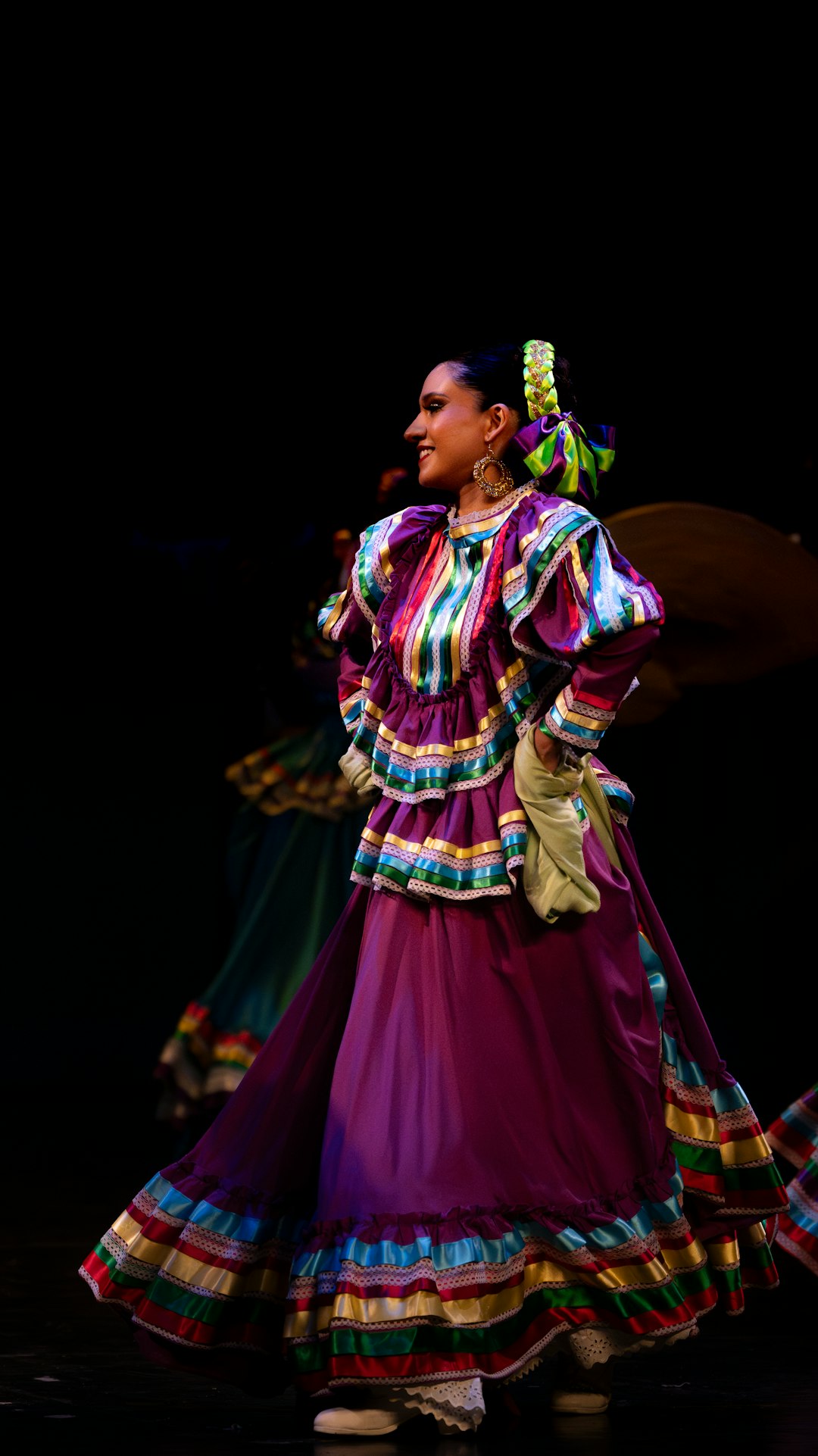
In Argentine tango, your shoes are your instrument. Unlike ballroom dancing, where footwear primarily supports vertical posture, tango shoes must negotiate intimate embrace, intricate foot articulation, and sudden directional changes—all while maintaining seamless connection with your partner. Whether you're preparing for a stage performance or your first milonga, selecting appropriate footwear requires understanding tango's unique physical demands.
Comfort and Support: The Foundation of Every Step
First and foremost, your tango shoes must fit with precision. Seek a snug, glove-like fit that eliminates heel slippage without compressing the toes. Tango's forward-weighted posture places unique pressure on the metatarsals, so adequate arch support and forefoot cushioning prove essential for sustained dancing.
Unlike street shoes, tango footwear should feel slightly tight when new—full-grain leather uppers mold to your foot over 10–15 hours of wear, creating custom support impossible with synthetic materials. Try on multiple pairs, and dance in them briefly if possible. Your feet will tell you what your eyes cannot.
Heel Height: Balancing Artistry and Function
Tango heel conventions diverge sharply from other dance forms. For social dancing, women typically select 5–7cm (2–2.75 inch) heels with a wide, stable base—often called "tango heels" or "Cuban heels." These support the forward-weighted posture and pivoting inherent in close-embrace tango. Performance heels may reach 8–9cm for visual extension, but require significant ankle strength and are generally discouraged for social dancing.
Men's tango shoes traditionally feature 2.5–3cm heels, slightly higher than standard dress shoes, facilitating the "collect and extend" foot action essential to tango walking. Avoid rubber-soled "practice shoes" for performances—they deaden the precise foot articulation judges and audiences expect.
Sole Material: Your Connection to the Floor
Tango soles are purpose-built for specific surfaces. Suede soles offer controlled slide on wooden floors—ideal for most milongas and theaters. Leather soles provide faster movement for polished stages but can be dangerously slick on some surfaces. Street soles (thin rubber) suit outdoor performances or concrete venues but restrict pivoting. Many performers carry multiple pairs or use sole brushes to adapt suede's nap to floor conditions.
Material and Design: Form Follows Function
Beyond leather's durability and breathability, consider how construction details serve tango's mechanics. A flexible toe box enables the "point and flex" articulation visible in quality tango walking. The vamp (the upper covering the instep) should secure the foot without restricting ankle mobility essential for ochos and boleos.
For performances, patent leather creates striking visual lines under stage lights, while suede or nubuck offers subtle elegance for social dancing. Embellishments—straps, cutouts, broguing—should never compromise fit or create catch points during leg wraps.
Color and Style: Expressing Your Dance Identity
Black remains the timeless standard, particularly for men and traditionalists. Yet tango welcomes personal expression: deep burgundy, navy, or metallic tones complement performance lighting; nude or blush shades elongate the leg line visually.
Consider your venue. A milonga favors understated elegance—closed toes, secure straps, minimal hardware. Stage performances permit bolder choices: open toes, dramatic silhouettes, or hand-painted details that read to the back row. Match your shoe's character to your choreography's emotional register.
Breaking In and Maintaining Your Investment
New tango shoes require patient preparation. Wear them for 30-minute intervals at home, performing simple weight shifts and pivots on a clean surface. Never debut unworn shoes at a performance—blisters and unexpected friction destroy confidence when it matters most.
Maintain suede soles with wire brushes to restore nap and remove floor debris. Store shoes with cedar shoe trees to preserve shape and absorb moisture. Quality tango shoes, properly cared for, serve you through years of dancing.
Final Considerations: Social vs. Stage
Distinguish between milonga shoes (prioritizing comfort, stability, and 4+ hour endurance) and performance shoes (accepting some sacrifice for visual impact). Many dedicated dancers maintain separate wardrobes for each context. Expect to invest $150–$400 for handmade quality from established Argentine or Italian manufacturers—bargain footwear costs more in podiatrist visits and premature replacement.
Your tango shoes should disappear from conscious awareness, becoming pure extension of your musical expression. Choose with care, break in with patience, and they will carry you through countless embraces.