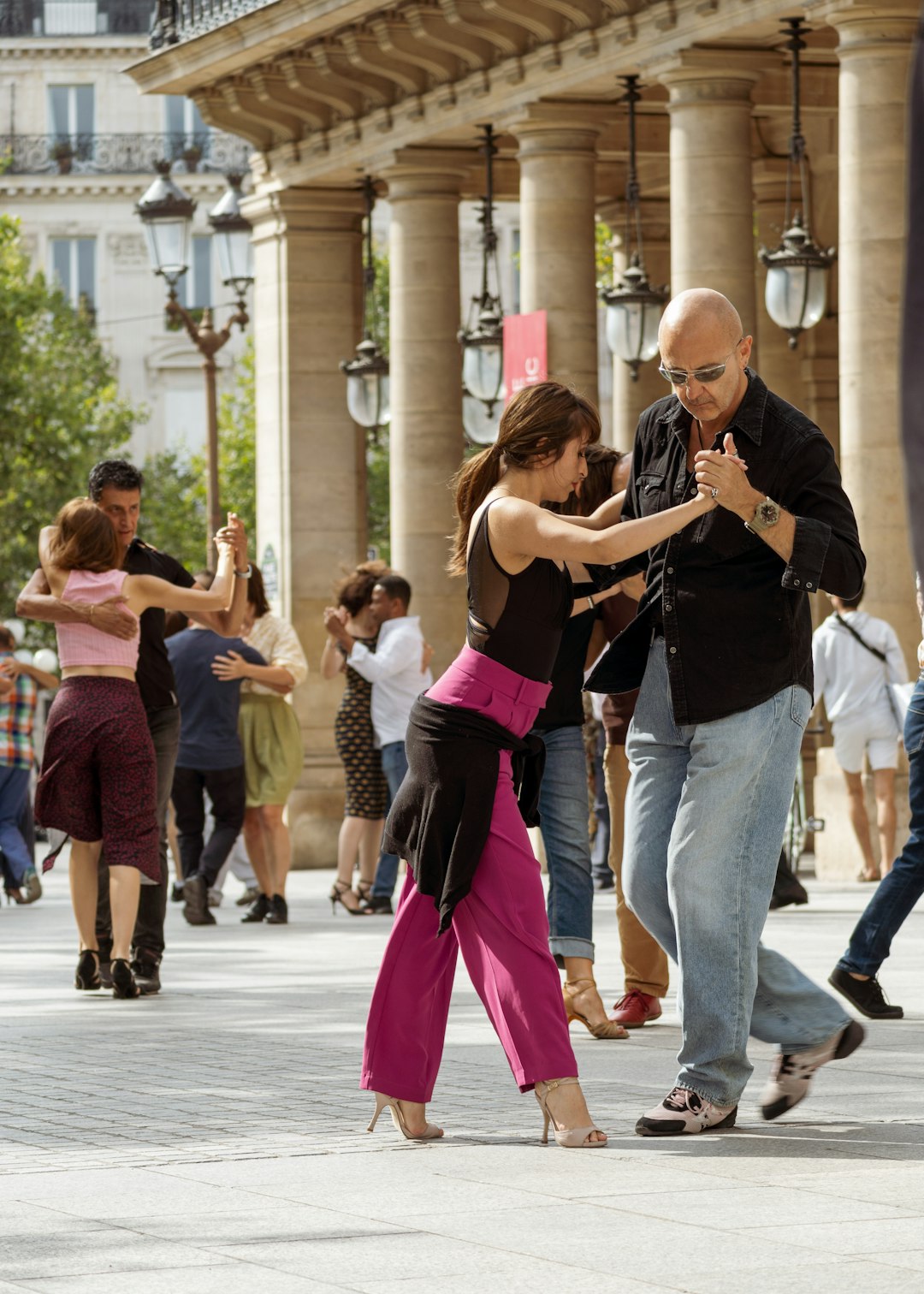
I watched a rehearsal clip of Braylon Browner last Tuesday — grainy, backstage lighting, someone's phone propped against a water bottle. He'd just finished a run-through of a piece that, frankly, I'd seen performed a dozen times by other dancers. Technically fine, emotionally flat, the usual.
Then the music stopped, and for about two seconds, Browner just stood there. Eyes closed. Hands trembling slightly. Not performing for anyone. And in that stupid little phone video, with the bad audio and the guy coughing off-camera, I finally understood what people mean when they talk about him.
What nobody tells you about the "rising star" narrative
Here's the thing the profiles always skip: Browner didn't have some overnight moment. He spent three years — THREE — doing regional showcases where the audience was mostly other dancers' parents and one confused bartender from the venue next door. He's talked about driving four hours to perform for thirty people, then driving back because he couldn't afford a hotel.
That kind of grind doesn't make for a sexy Instagram caption. But it's the actual story. The spotlight stuff came later, and when it did, he apparently kept the same pre-show ritual from those empty-room days: twenty minutes alone, no music, just marking the choreography in silence. His choreographer mentioned it in some podcast interview I dug up — said it used to annoy the stage managers because they'd think he wasn't ready.
The thing about teaching that nobody romanticizes
I've taken maybe four masterclasses in my life, and three of them were forgettable. The instructor demos, you copy, they correct your arm angle, everyone claps. Fine.
Browner apparently does something different — and I say "apparently" because I haven't taken his class, but multiple people have described the same thing independently. He'll teach a combination, then ask students to perform it while he watches from the back of the room. Not judging. Just watching. Then he'll ask one person, "What were you thinking about during the second eight-count?" And whatever they say — "I was thinking about my balance," "I was thinking about lunch," "I was thinking about my ex" — he'll rebuild the combination around that answer.
That's unhinged, in the best way. It means no two classes are the same. It also means he has to be genuinely creative on the spot, which most choreographers will tell you is terrifying.
The diversity conversation he doesn't frame as a "conversation"
A lot of dancers post the black square. They write the caption. They share the infographic. Browner apparently just... hires people. His last project had a cast that looked like a subway car at rush hour — different bodies, different backgrounds, different training histories. When someone asked him about it in an interview, he said something like, "I just picked the best dancers. You'd have to ask them why they're diverse, I just thought they were sick."
I don't know if that's the perfect answer. It's probably not. But it felt honest in a way that the rehearsed statements don't, and I think that's why it landed differently.
What the performances actually feel like
Technical breakdown: the man isolates like his joints are on ball bearings, his musicality is almost annoyingly precise, and he has this thing where he'll hit a movement a split-second before the beat, which shouldn't work but creates this effect like the music is chasing him.
Emotional breakdown: I saw him perform a piece about his grandmother — he's mentioned in a few interviews that she raised him — and there's a moment where he reaches toward empty space, and his hand just... stops. Not dramatically. Not for applause. Just stops, like he forgot what he was reaching for. Three people around me were crying. I was one of them.
The boring parts nobody covers
He answers his own emails. I know this because a friend of a friend emailed him about a workshop and got a reply back in two hours, written like an actual human — lowercase, no signature block, "yeah i'm down, what date works." He apparently still eats at the same Jamaican spot near his old apartment even though he could go somewhere nicer. The owner's son is learning to dance and Browner's been showing him stuff in the parking lot, which is such a cliché it almost hurts to type, but the kid posted a video and it's genuinely adorable.
These details don't matter in any meaningful career-analysis way. But they're the texture that makes someone a person instead of a brand.
Why I keep thinking about that two-second gap
Most dancers — most people, honestly — perform right up until the moment they're no longer being watched. The camera turns off and the posture drops and the face resets. What got me about that rehearsal clip was that Browner wasn't performing during those two seconds. He was just... being. In the work. In the exhaustion of it. In whatever the piece had pulled out of him.
I think that's the thing. Not the balance between spotlight and studio. Not the humility narrative or the community building or the technical skill, even though all of that's real and good. It's that the man seems to actually be living inside the dance, not just executing it. And you can't fake that. You can't workshop it. You can't brand it.
You either go there or you don't. He goes there.














oof writing, while I am also zealos off getting
familiarity. ofvd9wuaptztq0sg0f35