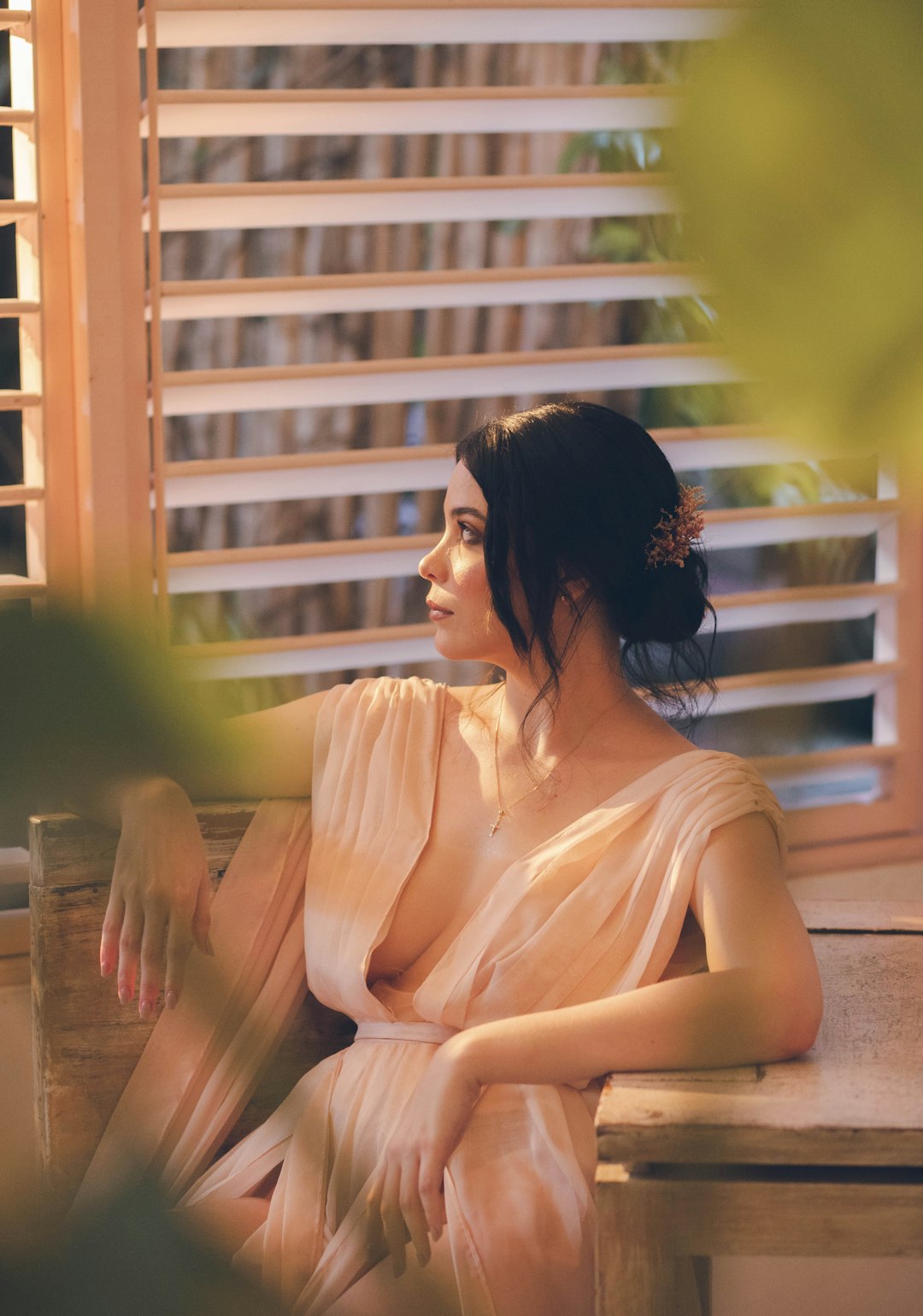
Lyrical dance demands costumes that move like poetry—fluid, expressive, and technically precise. Unlike the rigid structure of ballet tutus or the bold flash of jazz attire, lyrical costuming exists in a delicate balance: it must disappear enough to let the choreography speak, yet resonate enough to amplify every emotional beat.
Whether you're a soloist preparing for nationals, a parent navigating your child's first recital, or a studio director sourcing ensemble looks, this guide delivers the actionable expertise you need. Drawing from costume designers, competition judges, and professional dancers, we'll move beyond generic advice to cover fabric science, construction details, budget strategies, and the invisible factors that separate forgettable costumes from show-stopping ones.
Section 1: Understanding Your Performance Context
Before browsing catalogs or sketching designs, clarify where and how your costume will perform. Lyrical dance appears across radically different settings—and each demands specific costuming approaches.
Solo vs. Ensemble Considerations
Soloists enjoy creative freedom but bear full scrutiny. Your costume must sustain audience attention for 2–3 minutes without backup dancers to distract from any flaws. Strategic choices include:
- Asymmetrical necklines that create visual interest in stillness
- Strategic back details visible during floor work and turns
- Unique color palettes that distinguish you from competitors
Ensemble members must balance individual flattery with group cohesion. Consider:
- Identical base costumes with individualized accessories (hair pieces, belt colors)
- Gradient color schemes that create stage pictures without matching exactly
- Uniform fabric textures that catch light consistently across 15–30 dancers
Venue and Lighting Factors
Costumes read dramatically differently under competition spotlights versus studio fluorescent bulbs.
| Lighting Condition | Costume Adjustments |
|---|---|
| Harsh LED competition lights | Avoid pale yellows (washes out); embrace jewel tones, deep teals, burgundies |
| Warm tungsten theater lights | Counteract orange cast with cool blues, purples, true whites |
| Black box/variable venues | High-contrast details (black lace on nude mesh, metallic accents) |
| Outdoor performances | Matte fabrics reduce glare; secure fastenings for wind |
Expert Tip: "Always photograph your costume under stage lights before committing. What looks sophisticated in natural light can appear cheap or disappear entirely under spotlights." — Mara Levinson, costume designer for So You Think You Can Dance
Competition Scoring Criteria
Costumes indirectly influence scores through multiple judging lenses:
- Execution: Poor fit causes visible adjustments, point deductions
- Artistic impression: Costume-theme mismatch creates cognitive dissonance
- Choreography visibility: Busy patterns obscure intricate footwork
Research your specific competition circuit. Youth America Grand Prix emphasizes classical elegance; Showstopper rewards contemporary boldness; 24 Seven Dance Convention prioritizes age-appropriate sophistication.
Section 2: Building Your Costume Foundation
The base layer determines everything—comfort, confidence, and how overlays behave in motion.
Base Layer Options
| Style | Best For | Movement Profile | Support Level |
|---|---|---|---|
| Tank leotard | Classic lyrical, younger dancers | Full arm freedom, clean shoulder lines | Moderate (add bra cups if needed) |
| Long-sleeve leotard | Winter performances, mature aesthetic | Arm emphasis, elongation | Moderate to high |
| Unitard | Contemporary fusion, acrobatic lyrical | Seamless leg lines, no riding up | High (built-in compression) |
| Two-piece (bra top + brief/short) | Mature dancers, midriff emphasis | Maximum torso flexibility | Variable (select structured tops) |
| Bodysuit with attached skirt/shorts | Quick changes, cohesive silhouette | Predictable movement, no shifting | Moderate |
Construction Checklist for Base Layers:
- [ ] Gusseted crotch for durability during floor work
- [ ] Lined front (double fabric) for modesty under lights
- [ ] Silicone gripper strips at leg openings (prevent riding)
- [ ] Adjustable straps or clear convertible straps
- [ ] Tagless construction or removable tags
Fabric Selection Guide
Not all stretch fabrics perform equally. Understand the properties before purchasing:
Mesh (nylon-spandex blend)
- Best for: Illusion panels, sleeves, overlays
- Durability: High; resists snagging
- Care: Machine washable; air dry to prevent shrinkage
- Cost: $8–15/yard
Chiffon
- Best for: Flowing skirts, romantic movement
- Durability: Moderate; prone to pulls and water spots
- Care: Hand wash or delicate cycle; steam only (no iron)
- Cost: $6–12/yard
**