Tango demands everything from its dancers—precision, passion, and presence. Your clothing should amplify these qualities, not constrain them. Yet walk into any tango event and you'll see beginners in rubber-soled street shoes gripping the floor, performers in sequined bodices scratching partners' arms, and social dancers sweltering in fabrics that trap heat against their bodies.
This guide eliminates those missteps. Whether you're preparing for your first milonga in Buenos Aires, building a practice wardrobe on a budget, or crafting a competition costume, you'll find specific, actionable guidance rooted in how tango actually works—the physics of the embrace, the demands of pivoting, and the unspoken codes of tango culture.
First Decision: Define Your Context
Tango attire operates in three distinct worlds. Confuse them, and you'll be uncomfortable, inappropriate, or both.
Social Dancing (Milonga)
Priority: Partner comfort, breathability, and adherence to tradition. Buenos Aires milongas remain conservative—women rarely wear trousers, men avoid ostentatious colors. In Berlin or Tokyo, experimentation flourishes, but the core principle holds: your clothing must facilitate the close embrace for hours without overheating or creating friction.
Performance/Stage
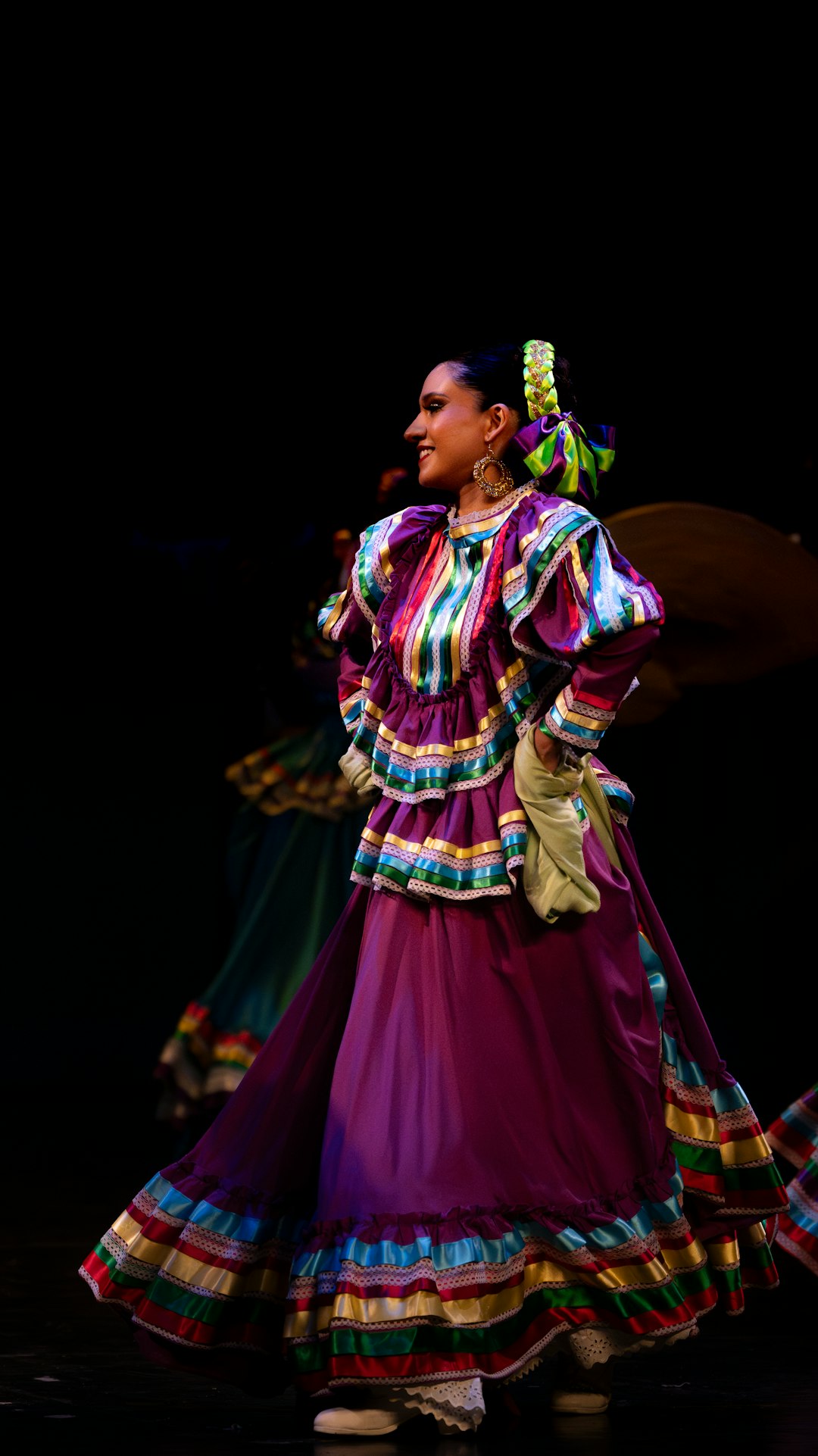
Priority: Visual impact and freedom of exaggerated movement. Sequins, high slits, and dramatic silhouettes become appropriate. The embrace loosens; lifts and splits demand stretch panels and secure construction.
Practice
Priority: Durability and honest feedback. Save your finest pieces for events. Practice clothes should reveal your alignment and technique without requiring constant adjustment.
Foundation First: The Right Shoes
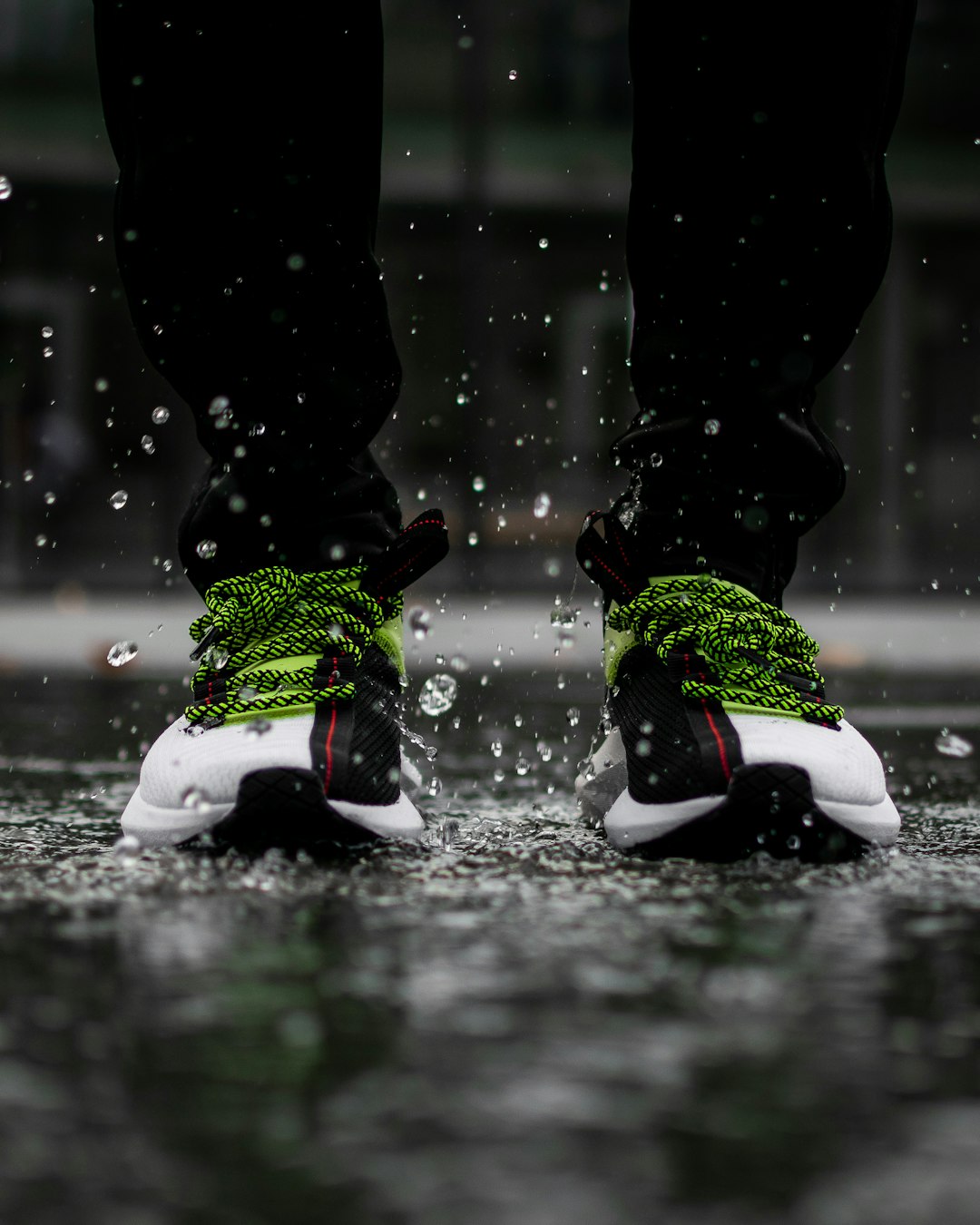
Shoes determine your balance, your pivot quality, and your joint health. This is non-negotiable.
For Men
- Construction: Leather soles (suede for slippery floors), lace-up closure, 2–2.5cm heel
- Why lace-ups: The heel counter must grip your ankle during backward steps. Loafers slip; oxfords secure.
- Recommended progression: Start with [ brands like Darcos or Comme il Faut men's line ]; advance to custom-fitted options once your foot stabilizes.
For Women
- Sole: Suede or thin leather. Rubber grips excessively, forcing torque through knees and hips.
- Heel height: Beginners 5–6cm; intermediate/advanced up to 8cm. Higher heels shift weight forward—desirable for experienced dancers, destabilizing for novices.
- Toe box: Closed-toe mandatory for social dancing. Open-toe styles risk injury in close embrace and read as performance-only in traditional milongas.
The Break-In Ritual
New tango shoes require 10–15 hours of controlled wear. Walk on carpet, practice ochos at home, then short sessions. Never debut shoes at a marathon milonga.
Fabric: Engineering for Movement and Climate
The wrong fabric betrays you mid-dance. Cotton wrinkles into dishevelment within twenty minutes of dancing. Polyester traps heat against your partner's body. Raw silk, beautiful in stillness, creases permanently at the elbow and hip.
For Social Dancing
| Garment | Ideal Fabrics | Avoid |
|---|---|---|
| Women's dresses | Viscose jersey, fine wool crepe, silk charmeuse (medium weight) | Linen, lightweight cotton, anything with sequins on the bodice |
| Men's shirts | Microfiber blends, fine cotton poplin (wrinkle-resistant finish), lightweight wool | Heavy Oxford cloth, pure linen, synthetic satin |
| Trousers | Wool gabardine with 2–3% elastane, high-quality ponte knit | Denim, corduroy, unlined polyester |
For Performance
Stretch velvet, sequined mesh, and silk organza become viable when the embrace opens. Prioritize recovery—fabrics that spring back after dramatic extensions. Test under stage lights; some metallics overheat dangerously.
The Sweat Factor
Dark colors conceal; strategic lining prevents transfer to partners. Women: consider bodysuits beneath dresses. Men: moisture-wicking undershirts are standard in humid climates.
Cut and Construction: Designing for the Embrace
Tango technique requires specific mechanical freedoms. Your clothing must accommodate:
- Dissociation: Torso rotation independent of hips. Women's dresses need ease through the ribcage; men's jackets require bi-swing backs or unconstructed shoulders.
- Pivoting: Feet rotate beneath stable hips. Hemlines must clear the floor—test with shoes on. Women's skirts: asymmetric cuts or ruching that releases during movement.
- Extension: Legs reach in boleos and ganchos. Trousers need sufficient rise; dresses require strategic slit placement or volume.
The Embrace Factor: Partner Comfort
This separates knowledgeable