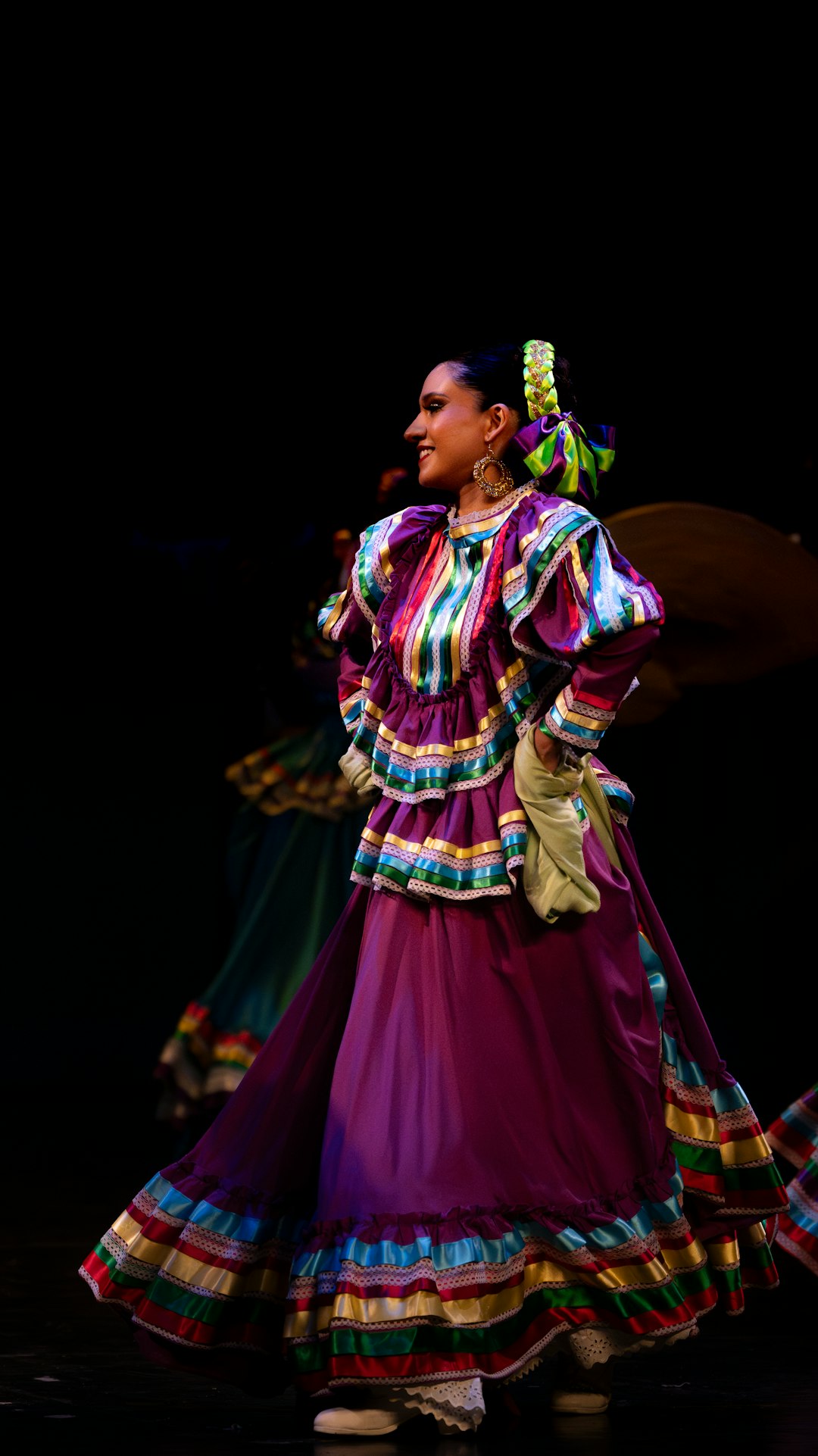
You walk into your first milonga in gym sneakers and khakis. The floor feels wrong under your rubber soles. Every pivot sticks. Across the room, a woman in a backless burgundy dress floats through a molinete like the air itself is pushing her. You suddenly understand: in tango, what you wear isn't decoration. It's equipment.
Start With the Only Thing That Matters
Shoes. Not "dress shoes." Not "comfortable heels you already own." Tango shoes are their own species.
Women: that narrow stiletto isn't about looking sexy—though it helps. The slim heel keeps your weight forward, over the balls of your feet, exactly where tango lives. The cross-strap or T-strap isn't ornamental; it locks your foot to the shoe so you don't slide out during a sharp boleo. Suede soles? Essential. They grip when you need balance and slide when you need to glide. Rubber clings like duct tape. Leather is too slippery until it's beaten up for months.
Men: you need a low heel and a leather sole. Lace-ups, preferably. The heel gives you the same forward tilt women get from their stilettos. A leather sole lets you feel the floor's texture through your feet—crucial when you're leading small sacadas in a crowded salon. I've seen guys show up in rubber-soled oxfords and wonder why their ochos feel like driving through mud.
For Women: Movement Eats Decoration
That sequined ballroom gown with the crinoline? Leave it home. Tango happens in close embrace. Extra fabric bunches between you and your partner like a third wheel.
What works: skirts that open when you turn. A well-cut tulip skirt or a midi with a slit reveals your leg on a parada without you doing anything theatrical. Dresses in silk jersey or lightweight crepe drape without adding bulk. If you're dancing in Buenos Aires in January, you'll want something sleeveless or with a draped back—milongas get steamy, and not just romantically.
Color matters more than you'd think. Black is safe, but deep jewel tones—emerald, wine, midnight blue—read better under warm salon lighting. Lace details are lovely until they catch on your partner's watch. Test everything by hugging someone before you leave the house. If something digs, scratches, or rides up, you'll feel it by song three.
For Men: The Tailoring Tells the Story
You don't need a tuxedo. You need a jacket that fits in the shoulders and trousers that don't pool around your ankles.
Dark colors—charcoal, navy, black—absorb sweat and hide the fact that you've been dancing for three hours. A fitted dress shirt with some stretch in the weave lets you lift your arms for an embrace without the whole thing untucking. French cuffs look sharp until you're sweating through them; consider barrel cuffs for marathon practicas.
The real secret? Your trousers need enough room in the thighs for a proper lunge and collect. Skinny suit pants will split. Baggy khakis look like you came from the office. Find the middle ground. And please—belt your pants. No one wants to lead a colgada while worrying about your waistband.
Fabric Doesn't Lie
By midnight, every milonga becomes a sauna. That gorgeous synthetic blouse? It'll feel like a plastic bag. That heavy wool suit? You'll be carrying it over your arm by the second tanda.
Natural fibers breathe. Silk, lightweight cotton, linen blends, tropical-weight wool—these let heat escape. For women, a dress with a bit of spandex woven in moves with you instead of against you. For men, look for "performance" dress shirts with moisture-wicking properties. They exist, and they don't look like gym clothes.
Layers are your friend. A light blazer completes the look for the first dance, but you should be able to shed it gracefully when the room heats up. Some dancers bring a small hand towel in their pocket. No shame in that.
You Don't Have to Match Your Partner
There's a nervous impulse to coordinate like prom dates. Resist it. Complementing is smarter than matching.
If she's in wine red, a charcoal suit with a burgundy pocket square nods to her without looking like a costume. If he's in midnight blue, a silver or cream dress picks up the formality without becoming a his-and-hers set. The best-dressed couples look like they belong in the same room, not the same wedding party.
That said, do glance at the dress code if there is one. Some milongas are strictly traditional. Others welcome a woman in tailored trousers or a man in a dark turtleneck instead of a tie. When in doubt, look at what the best dancers are wearing—they've already solved this puzzle.
Wear Confidence Like Cologne
Here's the truth nobody puts in the guidebooks: the right tango outfit disappears. You stop thinking about whether your skirt will flip, whether your shirt will untuck, whether your feet will blister. You think only about the music, your partner's breathing, the shared axis between you.
A woman I danced with in San Telmo wore a simple black dress that probably cost thirty dollars. She'd danced in it for fifteen years. It fit like it was part of her. When she stepped onto the floor, every eye followed—not because she was flashy, but because she was free.
That's the goal. Dress so you can forget yourself. The tango will do the rest.