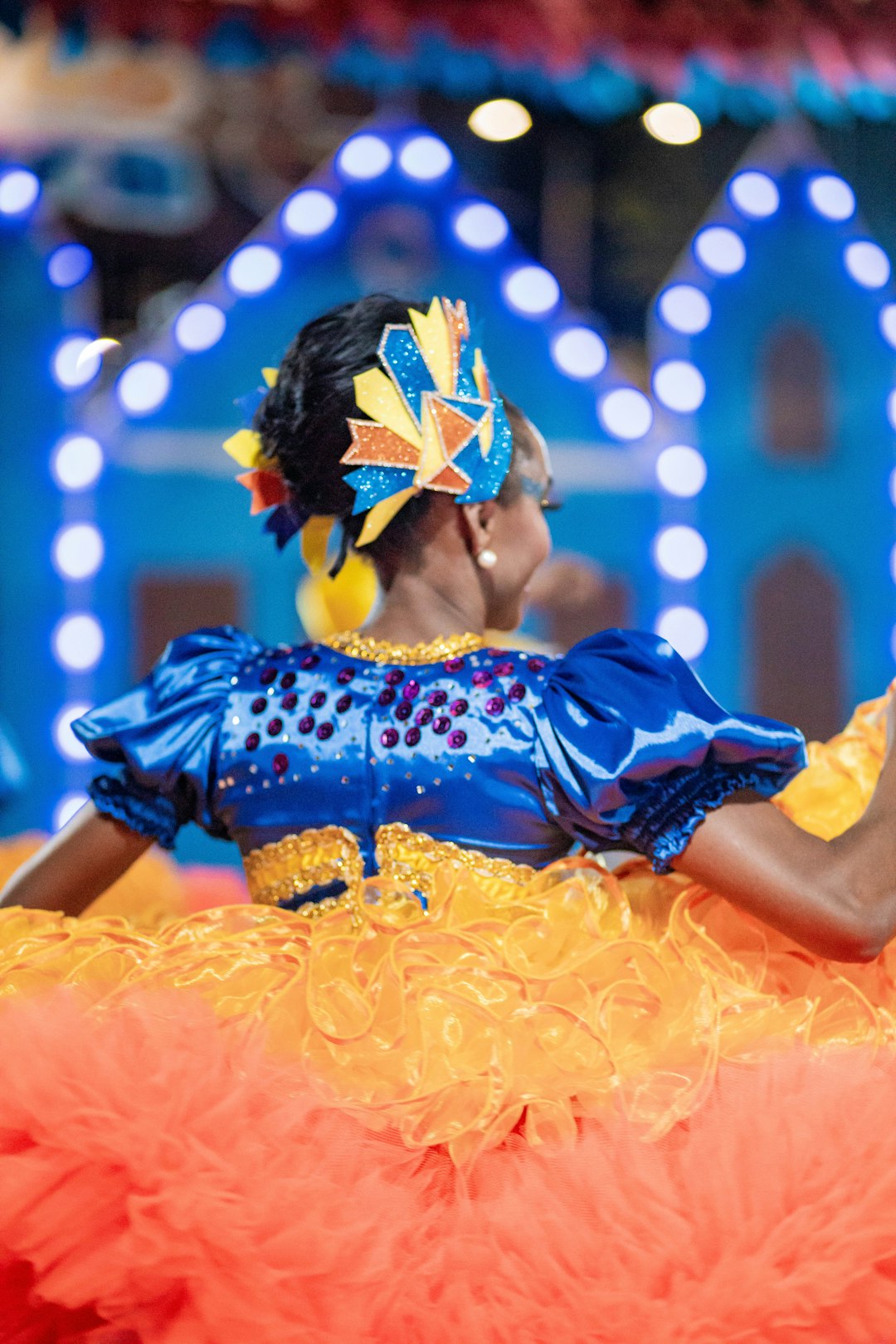
The guitar starts, a foot stamps twice, and suddenly you're somewhere else entirely.
That's what good flamenco does — it hijacks your nervous system. And 2025? This year's delivering some of the most electric flamenco I've heard in a long time. Legacy names are colliding with fresh voices. Tradition is getting bent without getting broken. If you perform, teach, or just obsess over this art form the way I do, you need to hear these tracks.
"Llamas del Alma" — Carmen Amaya Jr.
The name alone carries weight. Carmen Amaya's granddaughter could've played it safe, leaned on nostalgia. Instead, she dropped "Llamas del Alma," a bulerías that shouldn't work but absolutely does — traditional compás threaded with electronic textures that pulse like a heartbeat. Her vocals hit somewhere between a whisper and a war cry. When she stamps, you feel it in your sternum.
"Silencio Roto" — Diego del Gastor
Diego's guitar work on this soleá is surgical. Every note sits exactly where it should, yet nothing feels calculated. There's a pause around the two-minute mark that made me hold my breath without realizing it. That's the kind of musicality you can't teach — you either feel the silence or you don't.
"Bailaora" — La Niña de los Sueños
She named it after what she is, and the track delivers on that confidence. Alegrías can sometimes feel like background music, but here the palmas snap with purpose and the cante cuts through like a blade. Play this one loud. It deserves volume.
"Callejón del Tiempo" — Paco de Lucía Jr.
Imagine carrying your father's name — Paco de Lucía — and picking up a guitar anyway. That takes guts. "Callejón del Tiempo" is a modern rumba that nods to his father without becoming a museum piece. The guitar solos spiral into places the elder Paco never went, and somehow it still sounds like home.
"Alma Gitana" — Estrella Morente
Estrella's voice has always lived in that strange space between joy and sorrow. This seguiriya leans hard into the sorrow side, and it's devastating. The kind of song that makes strangers at a tabla fall silent mid-bite. She doesn't perform it so much as surrender to it.
"Fuego y Pasión" — Antonio Canales
The title translates to "Fire and Passion," which sounds like a cliché until you watch Canales dance it. His footwork isn't just fast — it's architectural. Every zapateado builds something. The farruca's traditional structure becomes a stage for controlled chaos, and by the end you're exhausted just from watching.
"Luz de la Luna" — Rosalía
You either love what Rosalía's doing with flamenco or you don't. I'll say this: "Luz de la Luna" respects the source while refusing to be imprisoned by it. The production layers shimmer over a genuine flamenco spine. She's not diluting the form — she's translating it for ears that might never have found it otherwise. That matters.
"Ritmo del Corazón" — Tomatito
Tomatito plays bulerías like he invented it. The rhythm doesn't just live in the guitar — it migrates into your body. Your fingers start tapping. Your shoulders shift. Before you know it, you're moving in your chair at your desk like an idiot. Don't fight it.
"Sueños de Plata" — Sara Baras
After all that intensity, Sara Baras offers something different. Her guajira floats. The choreography breathes. It's the track you play when you need to remember that flamenco can be tender, that softness isn't weakness. Silver dreams, indeed.
"Viento del Sur" — Vicente Amigo
Vicente closes this list because nobody should follow him. His taranta is the kind of thing you play once and then sit with for an hour. The guitar weeps without being maudlin. Every phrase aches with something you can't quite name — longing, maybe, or memory. It's the sound of the south wind carrying stories nobody wrote down.
---
Flamenco isn't a museum piece. It's alive, messy, contradictory — exactly like the people who make it. These ten tracks prove that 2025 isn't just another year for the genre. It might be one of the best. Put on your headphones. Turn the lights down. And let the duende find you.