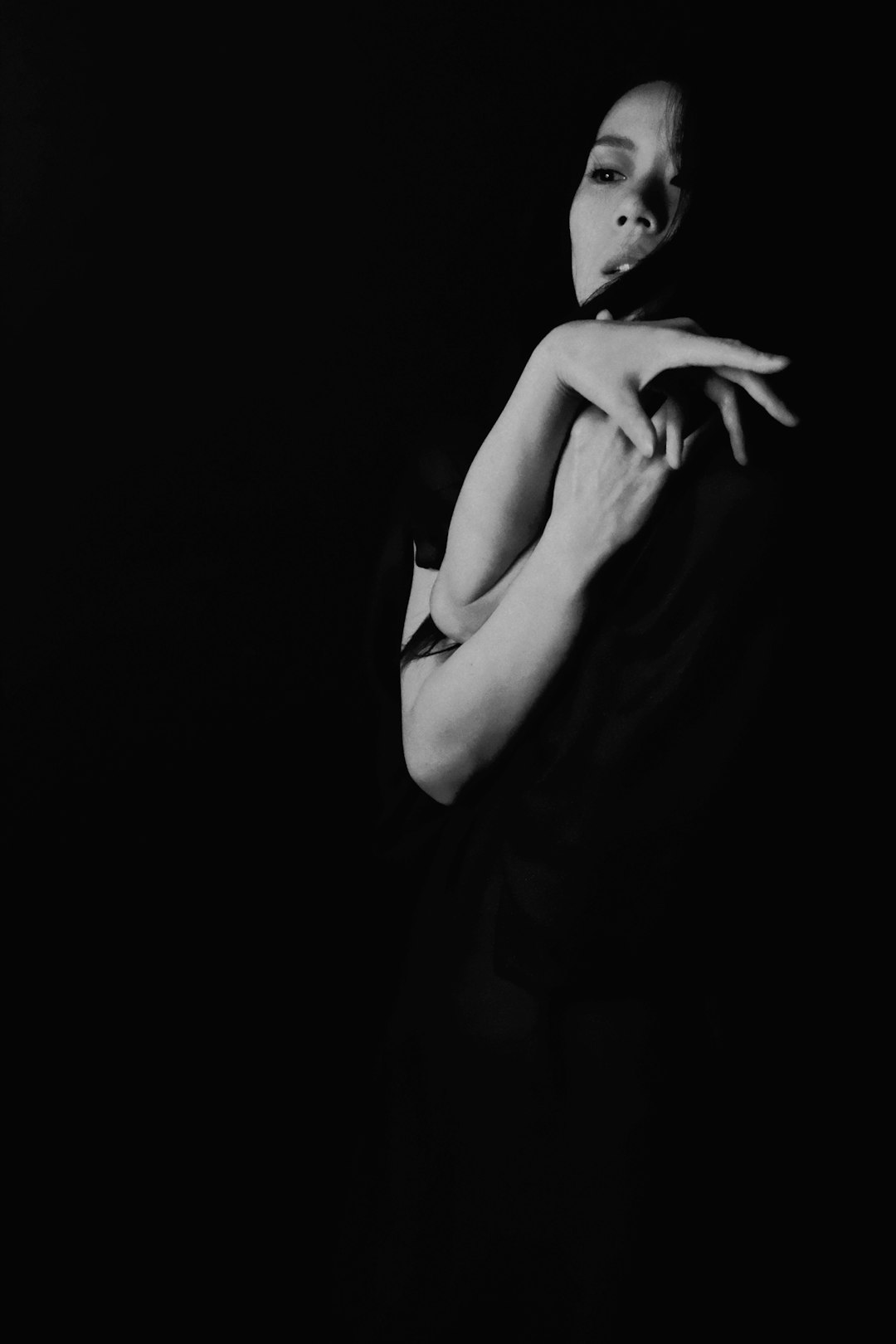
The first time I saw a b-boy hold a perfect airchair for what felt like an eternity, I didn’t think about art. I thought about physics. The explosive takeoff, the frozen apex, the controlled descent—it was less like dancing and more like watching a skateboarder stick a trick, where milliseconds and millimeters separate glory from a wipeout. The flash of a battle might look like pure style, but underneath every freeze, every thread, every power move is a physical blueprint. Forgetting that is how you stall out, or worse, break down.
Let’s get one thing straight: you can’t just run a few miles and call it training for breaking. That builds your marathon engine. But a battle is a series of sprints. You’ve got 30 seconds to go all-out, maybe 45 if you’re really feeling it, then a brief gasp before the next round. Your body lives in that anaerobic zone—exploding, recovering, exploding again. So why train like a long-distance runner when you’re a series of high-intensity intervals? The dancers who last are the ones who respect this. They train their bodies for the actual rhythm of the cypher.
This starts with your core, and I’m not just talking about a six-pack. Think of your core as the central transmission in a car. It’s what takes the power from your legs and delivers it to your upper body for a flawless airflare. It’s what keeps you from crumpling during a hollow back freeze. A shaky transmission means power leaks everywhere. Most of us just do planks forever, but that’s like only practicing top-rope when you need to lead climb. You have to challenge your core in every direction it has to work—resisting rotation when you transition from a handstand to a thread, maintaining extension so your spine doesn’t hate you after ten years of turtle freezes. It’s about building a body that’s both a powerhouse and a shock absorber.
Then there’s flexibility, which is a sneaky liar. I spent years pushing myself into splits against a wall, wondering why my leg freezes were still a wobbly mess. The secret? There are two kinds of flexibility: the kind where you can get into a position with help, and the kind where you can hold it with nothing but your own strength. That second one—active flexibility—is the real magic. It’s the difference between using your hand to shove your leg up and being able to lift it there and hold it with control. That’s the strength that actually holds your freeze. Training just passive range is like stretching a rubber band; training active range is like building a new muscle at the very edge of your reach.
So how do you put it all together? You stop training generic and start training specific. Your conditioning should mimic a battle’s stop-and-go intensity, not a steady-state jog. Your flexibility work should build strength in those stretched positions. Your core drills should directly translate to the movements you’re trying to nail. Look at the best athletes in any explosive sport—sprinters, gymnasts, weightlifters. They all build their foundation with purpose. We have to do the same, just with a soundtrack.
The goal isn’t just to add more power moves to your arsenal. It’s to build a resilient instrument that can express your style for decades, not just a few seasons. When your body is truly prepared, the dance stops being a fight against gravity and fatigue. It becomes a conversation with the floor. And that’s when the real artistry begins.