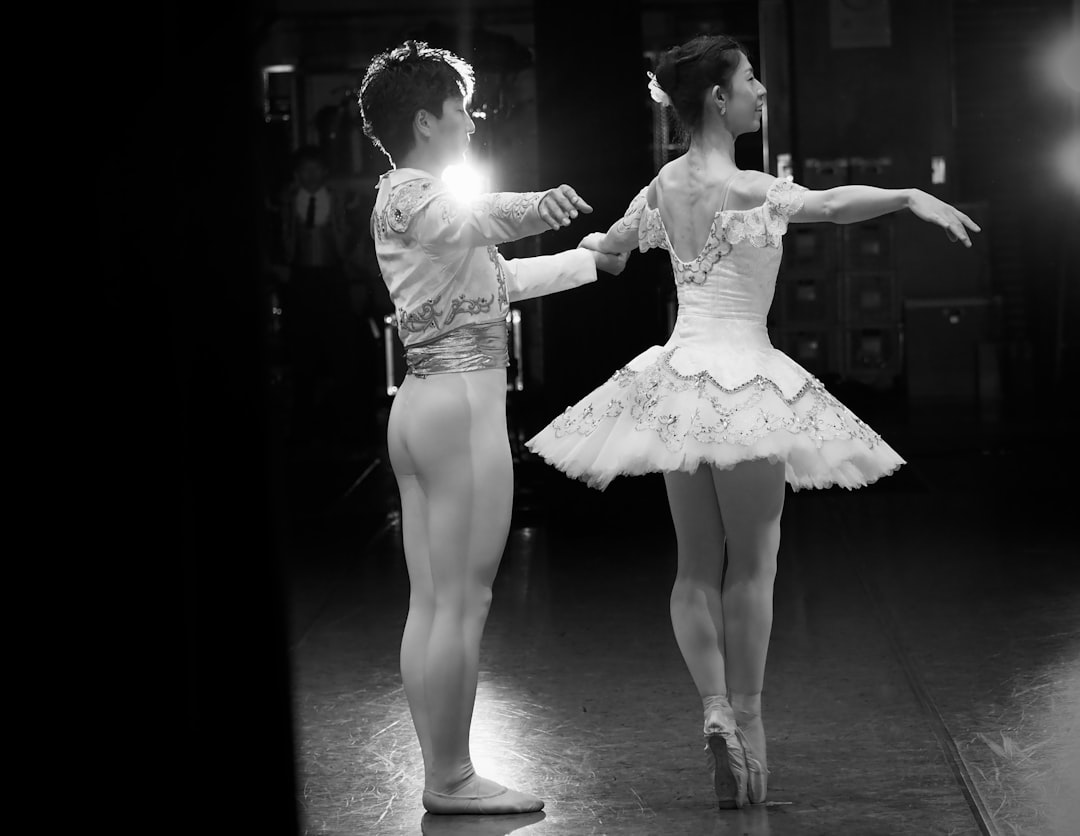
Tango is a beautiful and passionate dance that has captured the hearts of people all over the world. While it may seem intimidating at first, understanding its core mechanics opens the door to genuine improvisation and connection. This guide introduces three essential movements that form the backbone of social tango: the ocho, the gancho, and the molinete. Master these, and you'll move beyond memorized sequences into the conversation that defines this dance.
Before You Begin: These movements assume comfort with the basic tango walk, weight changes, and a stable embrace. If you're new to tango, consider establishing these fundamentals with a qualified instructor first. Partner dance requires mutual trust—never attempt unfamiliar techniques without clear communication.
The Ocho: Dissociation in Motion
The ocho—named for the figure-eight pattern traced on the floor—reveals tango's signature torso-hip separation. Unlike walking in a straight line, the ocho requires the upper body to face your partner while your hips pivot freely. This dissociation creates the elegant spiral that distinguishes tango from other ballroom styles.
Lead Execution
- Establish your axis with weight on one leg, free leg relaxed and ready
- Initiate rotation from your solar plexus, allowing your partner to feel the spiral through your embrace
- As your partner steps across your path, pivot 180° on your standing leg
- Collect and transfer weight, maintaining your line of intention toward your partner
Follow Execution
- Receive the lead through the embrace, keeping your own axis stable
- Step across your partner's path, landing on the ball of your foot
- Pivot on your standing leg as your free leg traces the floor behind you
- Collect and extend into the next step, hips settling into the new direction
Common Pitfall: Rotating your entire body as one unit. Practice in front of a mirror, keeping your shoulders square while your hips pivot independently.
Practice Drill
Stand with your back against a wall, shoulders touching. Practice pivoting your hips without letting your shoulders leave the wall. This isolates the dissociation that makes ochos possible.
The Gancho: Hooked Connection
The gancho (Spanish for "hook") adds dynamic punctuation to tango's flow. This movement occurs when one dancer's leg hooks between their partner's legs, typically from a position where legs cross paths. Unlike flashy kicks, ganchos emerge from the partnership's momentum and timing.
Lead Execution
- Create a pause or parada (stop) by placing your foot against your partner's path
- Invite your partner to step over or around your extended leg
- As their leg passes, release your free leg to intercept their movement
- Contact occurs at the thigh or calf, never the knee—maintain soft joints
Follow Execution
- Receive the parada, settling your weight with intention
- Extend your free leg with energy, brushing past your partner's standing leg
- Allow the hook to redirect your momentum rather than forcing the position
- Exit by collecting and returning to your axis
⚠️ Safety Note: Ganchos involve close-quarters leg contact and require precise timing. Attempt only with an experienced partner in a controlled environment, never on a crowded social dance floor. Communicate verbally before practicing this movement.
When to Use This
Ganchos respond to sharp accents in the music—think staccato violin strikes or dramatic bandoneón pauses. They interrupt flow deliberately, so deploy sparingly for maximum impact.
The Molinete: Circular Conversation
The molinete (windmill) creates continuous rotation around a stationary partner. This grapevine pattern—forward, side, back, side—drives tango's most dynamic turns and enables endless improvisational possibilities.
Lead Execution
- Establish a clear center point, rotating your torso to guide direction
- Manage the embrace space, allowing your partner room to circulate without losing connection
- Pivot in place as your partner moves around you, maintaining your axis
- Vary the size and speed of the rotation through subtle torso adjustments
Follow Execution
- Step forward around your partner, crossing slightly in front
- Open to the side, maintaining proximity to your partner's center
- Step back, allowing your body to face the new direction
- Close to the side, completing the four-step pattern
Critical Detail: Each step requires a pivot on the standing leg before transferring weight. Without these pivots, the molinete becomes a clumsy square rather than a fluid circle.
Practice Drill
Practice the foot pattern alone without a partner, marking each step deliberately. Add pivots only after the basic path feels automatic. Then introduce a partner, focusing on maintaining consistent distance throughout the rotation.