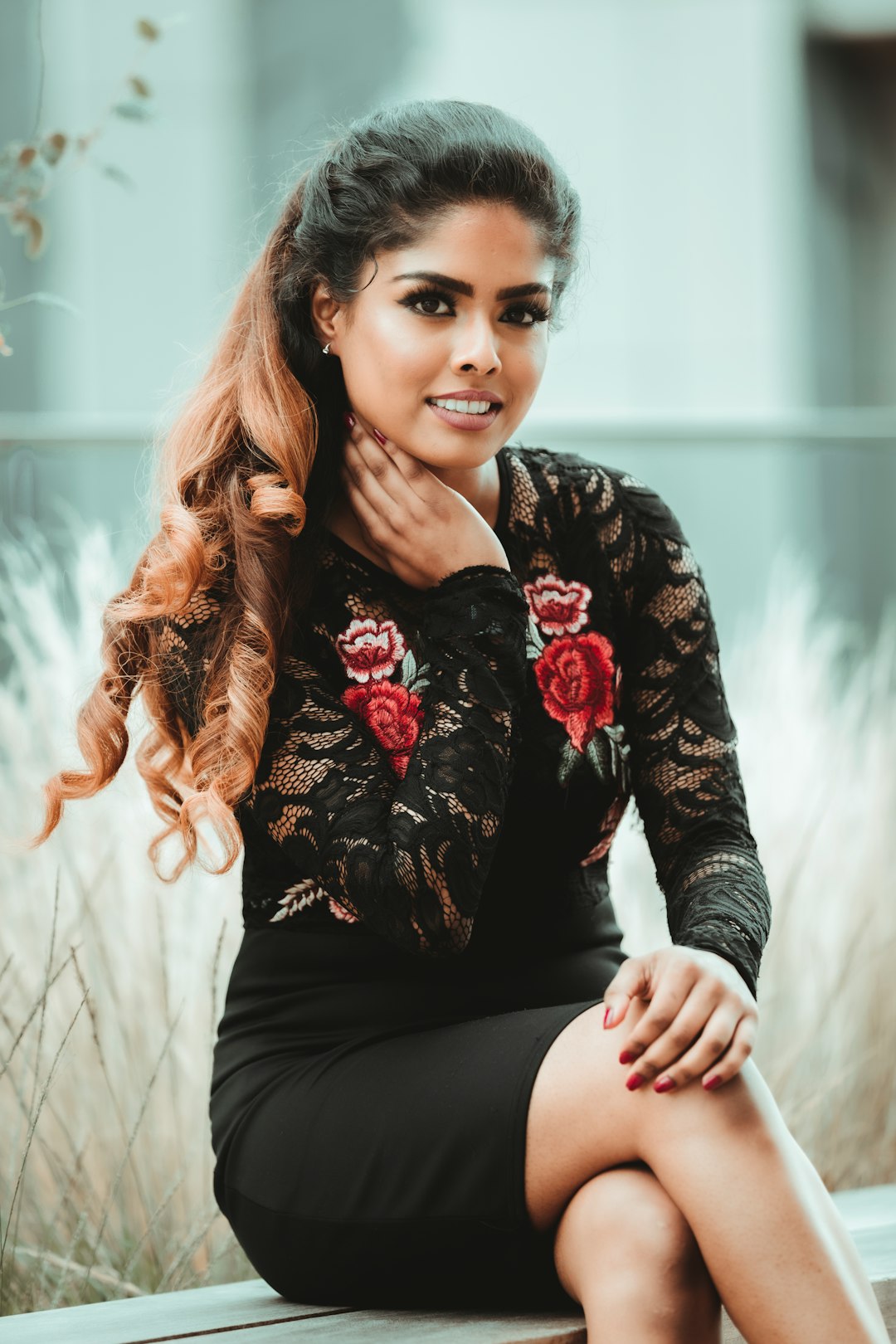
The traje de flamenca does more than clothe the dancer—it transforms her into the art form itself. When the first ruffle catches air during a vuelta (turn), when the bodice holds firm through a burst of zapateado (footwork), the dress becomes a partner in the dance. Whether you're preparing for your first class or your first Feria de Abril, understanding authentic Flamenco fashion separates those who wear the look from those who embody it.
The Heart of the Outfit: The Traje de Flamenca
Let's correct a common misconception: the mantón de Manila—that elaborate silk shawl embroidered with flowers and birds—is an accessory, not the outfit. The true foundation of women's Flamenco attire is the traje de flamenca, a precisely engineered dress with three defining elements:
- The bodice (corpiño): Fitted off-the-shoulder or with a escote corazón (sweetheart neckline), gripping the torso without restricting breathing
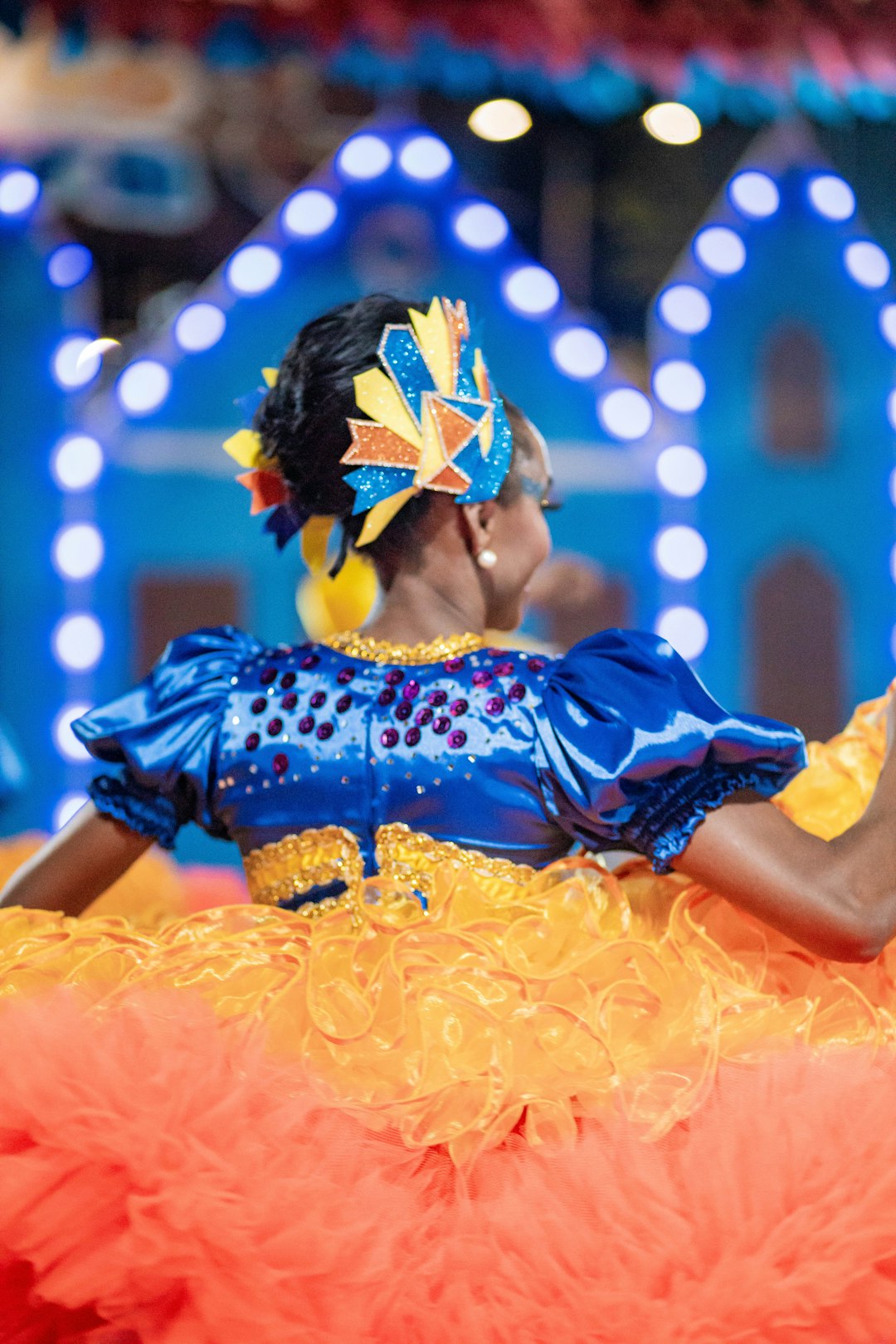
- The skirt (falda): Full and layered with volantes—ruffles that cascade from hip to hem, each one stitched to flare dramatically with movement
- The signature print: Traditional lunares (polka dots) in contrasting colors, though solid jewel tones and modern prints appear in contemporary styling
The volantes deserve special attention. These aren't decorative afterthoughts—they're functional architecture. More ruffles mean more weight and more spectacular motion, but also more demands on your technique. Beginners often fare better with two or three rows; professionals may wear six or more.
For men, the traje de flamenco centers on three pieces rarely mentioned in basic guides: the camisa (fitted shirt), chaleco (vest), and faja (wide sash) that cinches the waist. Pantalones are cut fuller than modern trousers to allow deep zapateado positions, with some regional styles incorporating botas de flamenco (ankle boots) rather than standard shoes.
Fabric: Where Function Meets Drama
Fabric choice determines whether your skirt blooms like a flower during a turn or hangs lifeless against your legs. Traditional trajes rely on heavy, structured materials:
| Fabric | Characteristics | Best For |
|---|---|---|
| Brocade | Woven raised patterns, substantial weight | Professional performance, Feria events |
| Velvet | Deep color saturation, dramatic light absorption | Winter galas, formal tablao appearances |
| Silk faille | Crisp hand, excellent ruffle retention | Competition, high-level baile puro |
| Cotton-poly blends | Breathable, washable, affordable | Daily practice, beginner training |
| Crepe | Fluid drape, lighter weight | Fusion styles, summer performances |
Budget guidance: Expect $80–150 for beginner polyester-cotton blends, $200–350 for mid-tier silk or quality synthetics, and $400+ for professional-grade custom work. The investment hierarchy runs: fit first, fabric second, embellishment last. A perfectly fitted simple dress outperforms an ornate ill-fitting one.
Care critical: Never steam velvet directly—use a garment steamer at low heat with a pressing cloth. Brocade and structured cottons travel best rolled, never folded, to preserve volante integrity.
The Percussive Foundation: Flamenco Footwear
Generic "heeled shoes" won't suffice. Authentic zapatos de flamenco feature clavos—tiny nails embedded in the toe and heel that transform footwork into rhythm instrument. Women's shoes carry 5–7cm heels (beginners should start at 5cm), with leather construction that molds to the foot over months of wear.
Men's shoes vary by style: zapatos bajos (flat-soled) for baile puro, botas for certain escuela bolera or regional variations. The sole must be leather, never rubber, to achieve proper sound and slide.
Break-in protocol matters. New shoes should feel snug—leather stretches. Wear them for 15-minute intervals initially, building to full classes. Professional dancers often maintain "performance" and "practice" pairs, preserving the former's sound quality.
Fit: The Second-Skin Standard
Spanish pattern sizing runs small by American standards. If between sizes, order up—taking in is possible; letting out rarely is.
Non-negotiable fit points:
- Bodice: No gapping at armpits when arms raised; no sliding at