On Thursday evenings, the wooden floors of the Newtown Community Centre echo with the twang of the berimbau and the slap of bare feet. This is where Wellington's capoeira community gathers—not to perform for an audience, but to play.
Capoeira is neither dance nor martial art alone. This Afro-Brazilian practice weaves together movement, music, history, and collective spirit into something that doesn't translate neatly into English. In Wellington, it has found a dedicated home. Whether you've never thrown a meia lua de compasso or you've trained for years, the city's scene offers concrete ways to step in.
Where to Train: Classes for Every Level
Several established groups run regular classes across the city, with most welcoming beginners on a drop-in basis.
Capoeira Angola Wellington holds sessions in Newtown and Aro Valley, emphasizing the traditional, slower-paced lineage of capoeira angola. Beginners train alongside advanced students, with instruction split by level so no one is left struggling to keep up.
Grupo Cordão de Ouro Wellington, based in the northern suburbs, teaches the faster, acrobatic capoeira regional style. Their weekly schedule includes separate fundamentals classes, conditioning sessions, and music workshops where you'll learn to play the berimbau, atabaque, and pandeiro.
Most classes run 60–90 minutes. A casual drop-in costs $15–$20; monthly memberships typically range from $80–$120. No prior fitness or musical background is expected.
What to Expect at a Roda
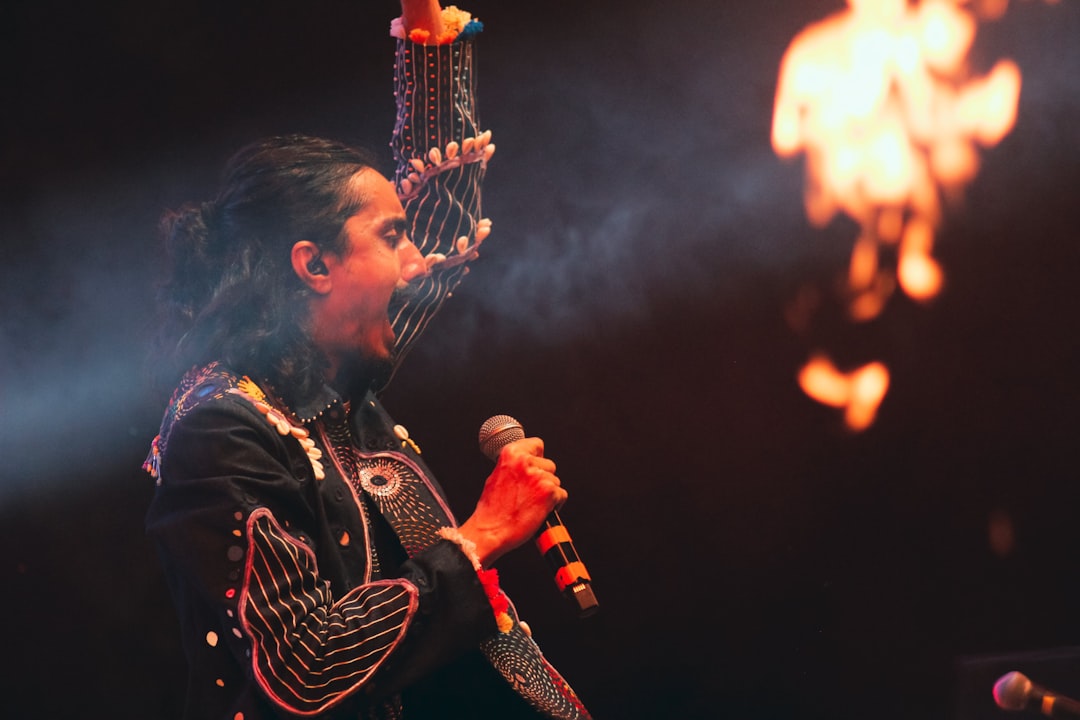
The roda—literally "wheel"—is where everything comes together. Two players enter the circle, moving to the berimbau's call, while others sing, clap, and watch from the edge. There are no winners. The goal is sustained, creative dialogue through movement.
Wellington rodas happen monthly, often at community halls or outdoor spaces like the waterfront. The atmosphere is genuinely inclusive: children, students, professionals, and retirees share the circle. Newcomers are encouraged to watch first, learn the songs, and enter when ready. As one local instructor puts it, "You don't come to the roda to prove something. You come to be part of something."
Performances and Public Events
Local groups don't hide in studios. Cordão de Ouro Wellington and Capoeira Angola Wellington both perform regularly at CubaDupa, the Wellington Fringe, and cultural festivals at Te Papa and the Brazilian Embassy. These demonstrations are interactive—audiences are often pulled into the circle to try basic steps or clap the rhythm.
During summer, keep an eye out for pop-up rodas at Oriental Bay and the Cuba Street Carnival. Event listings are posted on group Instagram accounts and the Wellington Capoeira Community Facebook group.
How to Start: Practical Basics
- What to wear: Loose, comfortable pants you can kick in and a plain t-shirt. Most people train barefoot; some wear light trainers.
- What to bring: Water and an open mind. Instruments are provided.
- How to find a class: Message any group directly via Instagram or Facebook, or check their websites for timetables. Most reply within a day.
- First-timer nerves: Completely normal. Every capoeirista in Wellington started exactly where you are.
Why This Community Sticks
Wellington's capoeira scene endures because it offers more than exercise. It builds physical confidence, musical literacy, and genuine social connection in a city where those things can be hard to find. The movements challenge your coordination; the songs introduce you to Portuguese and Afro-Brazilian history; the rodas give you a place to belong.
Find a class this week. Show up in clothes you can move in. The circle is already waiting.