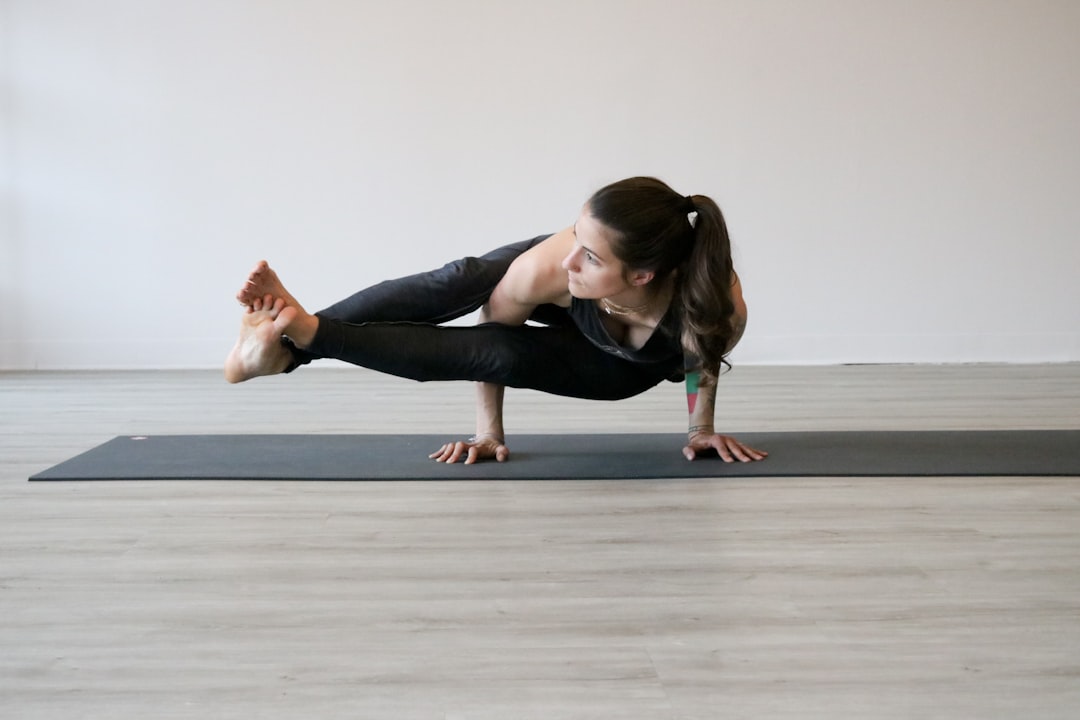
Each year, roughly 120 dancers compete for 24 places at the New Zealand School of Dance (NZSD). Those who make it join a pipeline that has fed dancers directly into the Royal New Zealand Ballet, Sydney Dance Company, and Batsheva Dance Company in Tel Aviv—all from a compact harbour city of just over 200,000 people.
Wellington's dance training sector punches above its weight, but it is also small, tightly resourced, and highly competitive. For prospective students and parents trying to navigate options, the market can be difficult to read. This guide breaks down what is actually available, who the training is for, and what it takes to get in.
The Flagship Institution: New Zealand School of Dance
NZSD is the only tertiary-level institution in the country dedicated exclusively to dance. It offers two-year diplomas in contemporary dance and classical ballet, both based at the Te Whaea: National Dance & Drama Centre in Newtown.
The facilities are purpose-built. Te Whaea houses nine sprung-floor studios, including two with Harlequin vinyl floors and fixed digital recording setups used for performance analysis and audition reel production. Students also have access to an on-site physiotherapy clinic and a strength and conditioning room—resources that matter when injury can derail a career before it begins.
The faculty mixes local knowledge with international experience. Contemporary programme director Garry Stewart stepped down as artistic director of Australian Dance Theatre to take the role in 2022. The ballet stream includes staff with training credentials from the Royal Ballet School and Paris Opera Ballet. Class sizes are capped, but the intensity is high: students typically train six days a week during term time.
What it takes to get in: Auditions are held annually in Wellington, Auckland, and occasionally Melbourne or Sydney. Applicants submit a video pre-screening, then attend a live audition involving technique class, improvisation, and an interview. Tuition for domestic students is partially subsidised, but total costs including accommodation, equipment, and living expenses typically run between $18,000 and $25,000 per year. International fees are higher.
Alternative Pathways: From Recreational to Pre-Professional
Not every dancer lands at NZSD, and not every dancer needs to. Wellington has a layered ecosystem of training options that can lead to professional work or sustained serious study.
Wellington Dance & Performing Arts Academy and Footnote New Zealand Dance both run youth and pre-professional programmes that emphasise contemporary technique and New Zealand choreography. Footnote, in particular, offers direct mentorship with its touring company members and has placed graduates into tertiary programmes in Australia and Europe.
For ballet-focused students, Wellington Ballet School and Dancepointe provide Royal Academy of Dance syllabus training up to solo seal level. These studios do not offer full-time tertiary programmes, but they regularly prepare students for NZSD auditions and for overseas schools such as the Australian Ballet School and the New Zealand School of Dance's own bridging course.
Adults and late starters are served by Wellington Dance and Flow Academy, which offer open classes in everything from hip-hop and jazz to commercial and Latin styles. These are not vocational tracks, but several contemporary dancers now working professionally in Wellington began in open classes in their early twenties.
What Wellington Lacks—and How Dancers Compensate
The city's size is both an advantage and a constraint. Compared to Auckland or Melbourne, Wellington has fewer full-time company positions, less commercial dance work, and a smaller pool of casual teaching jobs. Graduates who want to stay in New Zealand often relocate to Auckland for company contracts or to Australia for broader industry access.
Wellington-trained dancers compensate by developing versatility early. NZSD's contemporary programme requires students to choreograph and produce their own work. Both ballet and contemporary streams collaborate with the New Zealand School of Music and Toi Whakaari: New Zealand Drama School, which share the Te Whaea building. This cross-training produces graduates who can move between dance theatre, musical theatre, and independent choreography more fluidly than dancers trained in larger, more siloed markets.
There is also a cost advantage. Living in Wellington is cheaper than Sydney or Melbourne, and domestic tuition at NZSD is roughly half the cost of equivalent Australian programmes. For students who can handle the limited local job market, the return on training investment can be strong.
How Wellington Compares to Auckland
Auckland has more studios, more competitions, and more exposure to international touring artists. It is also more expensive and more fragmented. Wellington's training scene is smaller but more concentrated. A student can walk from NZSD to Footnote's studios to a Pilates rehab clinic in under twenty minutes. Relationships between schools, companies, and health professionals are close enough that word-of-mouth opportunities travel fast.
For classical ballet specifically, Auckland's New Zealand Dance Company and Auckland Academy of Dance offer strong alternatives, but NZ










