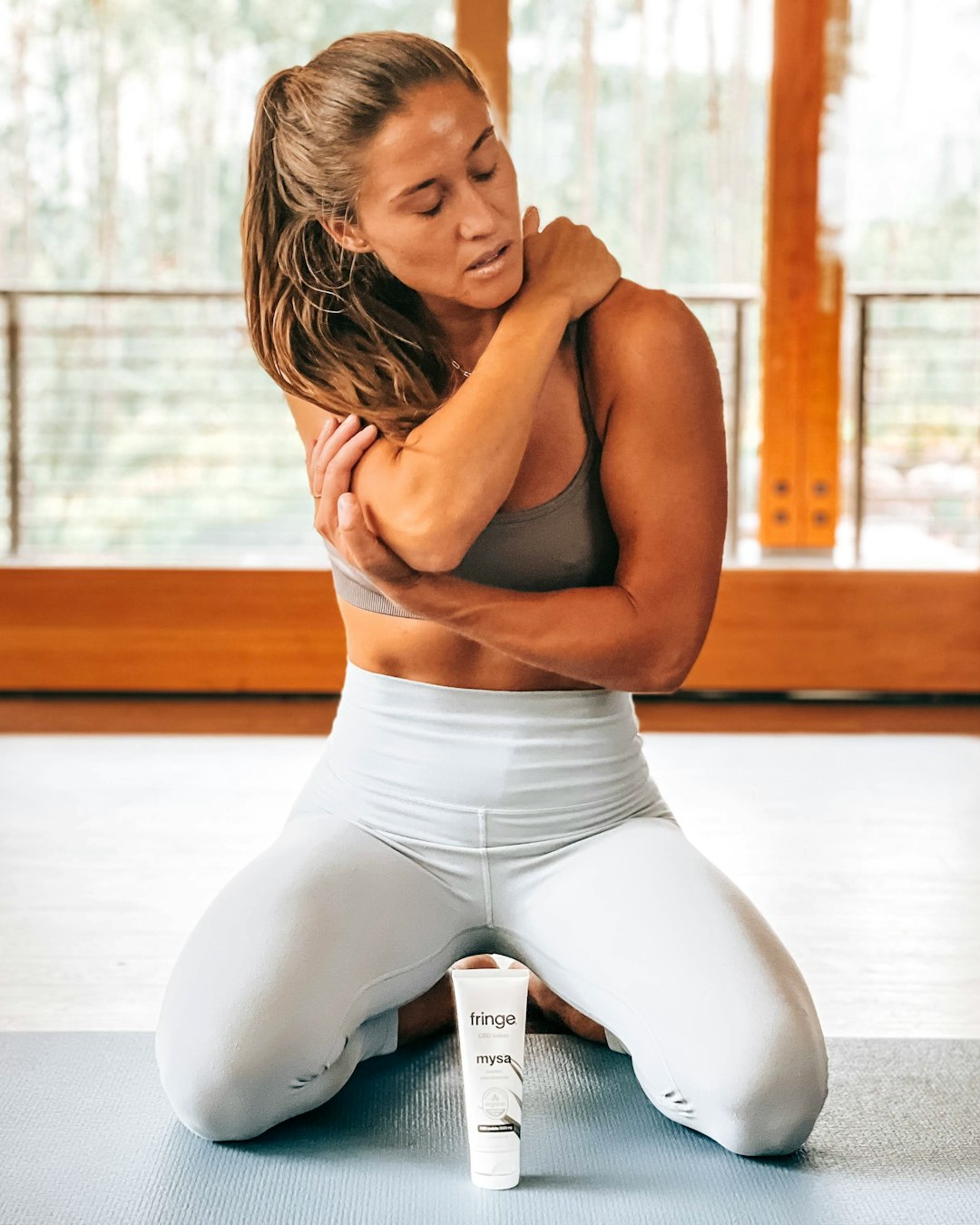
Contemporary dance isn't ballet in casual clothes or jazz without the kicks. It's a constantly evolving field where yesterday's rebellion becomes today's technique—and where your awkward first attempts at improvisation matter as much as any "correct" position.
If you're drawn to this form for its reputation for authenticity and self-expression, you deserve guidance that respects that impulse. Here's what actually helps beginners navigate contemporary dance without the generic platitudes.
Find Your Learning Environment (It Might Not Be a Studio)
The "right dance studio" framing assumes a commercial model that doesn't suit everyone. Contemporary dance thrives in diverse spaces: university programs with open enrollment, community centers offering pay-what-you-can classes, outdoor sessions in public parks, and increasingly sophisticated online platforms like DancePlug, STEEZY, or Cunningham Trust digital archives.
When evaluating instruction, look beyond "experienced" as a credential. Ask prospective teachers:
- Do classes emphasize technique, improvisation, or composition?
- What movement lineages inform their teaching? (Graham, Cunningham, Horton, release technique, Gaga, European dance-theater, and somatic practices all produce radically different experiences)
- How do they handle beginners in mixed-level settings?
A teacher who cannot articulate their methodological influences may offer competent exercise instruction without the conceptual framework that distinguishes contemporary dance from fitness.
Dress for Movement, Not Performance
Contemporary dance asks you to investigate your body's relationship to gravity, momentum, and the floor. Your clothing should facilitate that investigation rather than restrict it.
What actually works:
- Loose, breathable layers that allow you to observe how your torso responds to weight shifts
- Form-fitting options underneath for inverted work where loose fabric becomes hazardous
- Socks, bare feet, or foot thongs depending on floor surface and choreographic context—each creates distinct movement possibilities. Socks enable sliding; bare feet provide grip for grounded work; foot thongs protect without cushioning sensory feedback
Avoid "non-slip" dance shoes marketed for other forms. Contemporary dance frequently employs deliberate sliding, dragging, and controlled falling—traction you cannot override becomes a liability.
Get Comfortable with Discomfort
Contemporary technique resists universal definition, but several approaches consistently appear in training:
Release technique teaches yielding to gravity rather than fighting it—foundational for the grounded, weighted quality distinguishing contemporary from vertical forms.
Floor work isn't supplementary conditioning but central vocabulary: shoulder rolls, spiral falls, and weight-bearing through unconventional body surfaces require specific conditioning absent from standing-dance backgrounds.
Breath-initiated movement replaces externally imposed shapes with internally generated impulse.
Improvisation and composition appear earlier in contemporary training than in classical forms; your "wrong" movements often become material for development.
Rather than seeking mastery of fixed sequences, cultivate tolerance for productive uncertainty. Contemporary training often feels destabilizing by design.
Practice Regularly—But Practice What?
Daily practice matters, but define it precisely. Effective contemporary preparation includes:
- Technical conditioning: Core stability for spinal articulation, wrist and shoulder preparation for hand-supported floor work, hip mobility for spiral pathways
- Improvisation exploration: Solo sessions investigating a single movement parameter (speed, texture, relationship to space) without aesthetic judgment
- Viewing practice: Watching diverse work—Pina Bausch's dance-theater, William Forsythe's deconstructed ballet, Crystal Pite's narrative abstraction, local community showings—to develop your critical eye
The goal isn't replication but building your movement vocabulary and aesthetic discernment.
Persist Through the Unflattering Phase
Contemporary dance rewards patience differently than forms with clearer progression markers. You may spend months investigating "how does my spine respond to gravity" without acquiring showy steps to demonstrate progress.
This is feature, not bug. The form's resistance to easy virtuosity protects space for individual physicality. Your persistence through apparently "unproductive" periods builds the somatic intelligence that eventually produces distinctive, authentic movement.
Find Inspiration Beyond Spectacle
"Watching professionals" captures only consumption. Contemporary dance often deliberately blurs professional/amateur hierarchies. Supplement video viewing with:
- Community jams where trained and untrained movers share space
- Somatic practices (Feldenkrais, Alexander Technique, Body-Mind Centering) that develop internal awareness applicable to dance
- Interdisciplinary engagement: visual art, experimental music, and performance art frequently intersect with contemporary dance's conceptual concerns
Connect with movers whose bodies and backgrounds differ from yours—contemporary dance's diversity of approaches accommodates diversity of practitioners better than many forms.
Take Care of Your Body—Specifically
Beyond general wellness advice, contemporary dancers face particular demands:
- Knee integrity: Floor work's frequent kneeling, crawling, and falling requires gradual tissue adaptation
- Wrist and hand conditioning: Weight-bearing through arms appears regularly; unprepared wrists injure easily
- **










