---
The Dress That Moves With You
I remember my first Latin competition like it was yesterday. I'd spent three months learning Paso Doble, the dress I borrowed from my teacher was technically functional, and absolutely nothing else. It bunched up every time I turned, the sequins itched like crazy, and by the time I hit my closing pose, I was more focused on not scratching my neck than on my performance. That's when I understood—what you wear on that stage matters more than most beginners realize.
The right Latin dress feels like a second skin. It moves when you move, flares when you spin, and by the end of a three-minute routine, you've forgotten you're wearing it. That's the goal.
Finding Your Perfect Silhouette
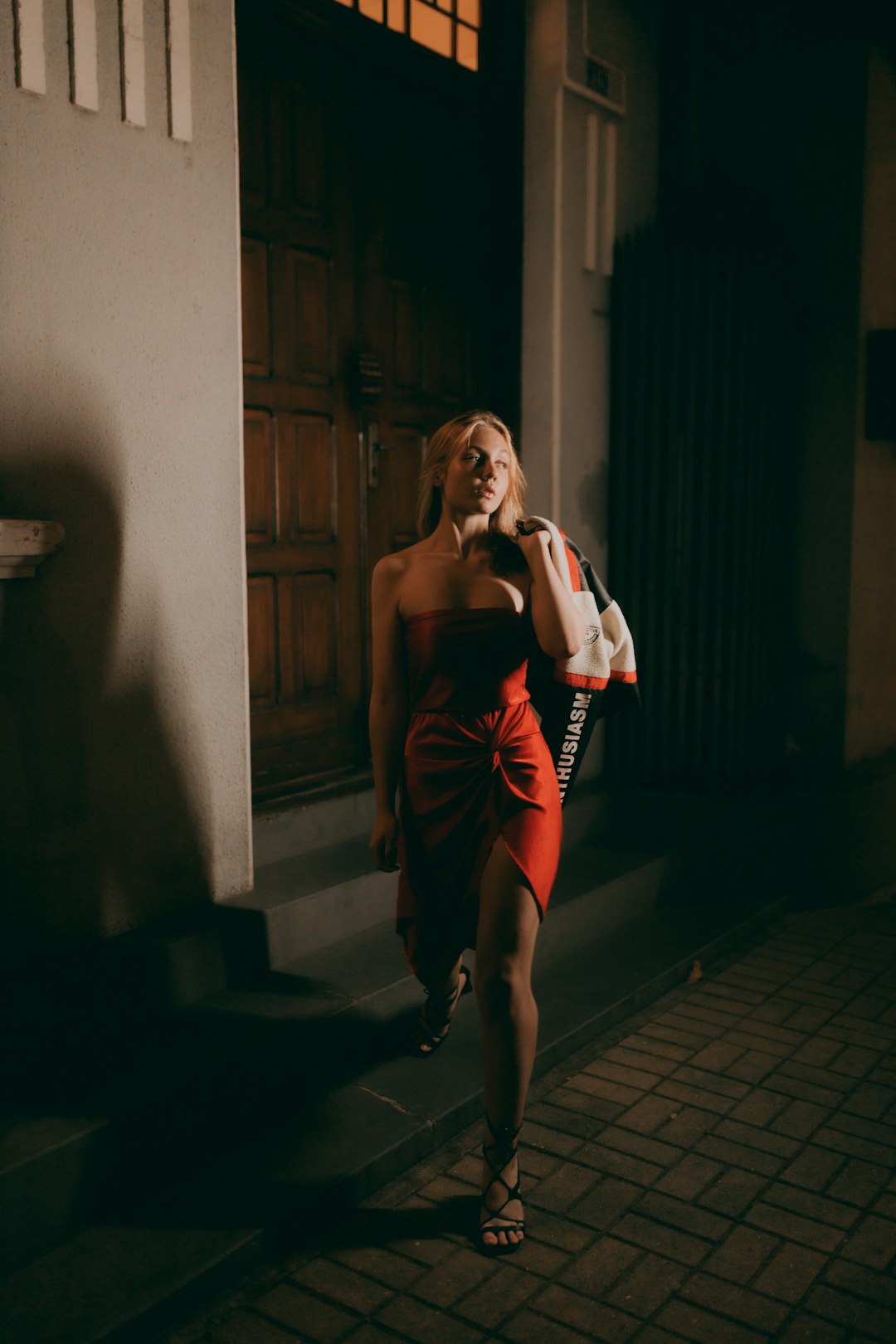
Here's what took me years to figure out: the best Latin dresses have a fitted bodice with a flared skirt. That structure isn't just for looks—it actually helps you generate the whip effect that makes your turns look effortless. When the skirt flows out as you spin, it creates this beautiful circle that judges see from across the stage.
Fabric matters more than people think. Stretchable fabrics like spandex blends let you move freely without pulling or restricting. Breathable materials keep you cool under those stage lights, which can get brutal during a solo. And yes, sequins and vibrant colors are classic Latin dance aesthetics—they catch the stage light and make you visible from those back rows. But don't sacrifice comfort for sparkle.
Shoes That Don't Betray You Mid-Performance
Your shoes are your foundation. The last thing you want is to land a jump and feel your heel wobble. Most competitive Latin dancers gravitate toward 2.5 to 3.5-inch heels—high enough to look elegant, stable enough to hit those accented heel leads without toppling.
Leather soles are non-negotiable for serious floor work. They grip and slide appropriately, letting you glide through those sharp foot changes without sticking. If you're just starting out, brands like Supadance and Dance Naturals make solid entry-level options that won't fall apart after a few competitions.
Try to find a local dance store if you can. Getting your first pair fitted by someone who understands the difference between a Latin heel and a practice flat will save you months of frustration.
Accessories That Won't Distract You
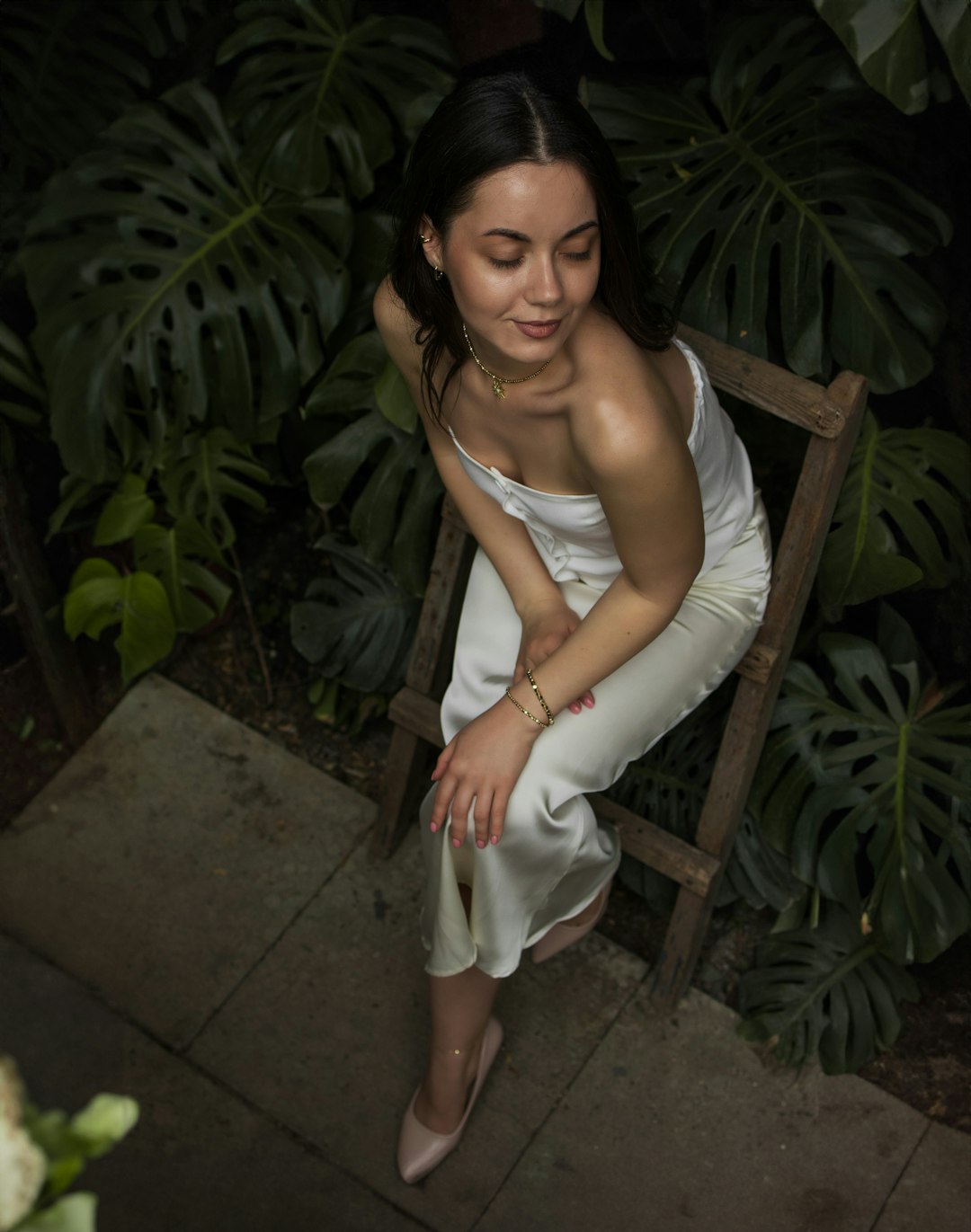
Small details matter. A chunky necklace catches light and draws attention upward toward your face—great for performance. Hoop earrings that won't slap against your neck during turns, a headpiece that stays secured through a whole Cha Cha—these seem minor but become huge when you're focused on your choreography, not on adjusting your accessories mid-routine.
A proper dance bag is honestly worth the investment. Your shoes need their own space (they're finicky about being squished), and keeping your dress hung properly means it looks fresh when you take it out. Trust me—you don't want to arrive at your first competition with a wrinkled dress you've been stuffing in a backpack.
Men's Latin Attire: The Underrated Part of the Equation
Guys often don't get as much guidance on competition wear, which is a shame because the right outfit elevates your entire presence. A slim-cut shirt that lets you move freely, paired with a tailored jacket you'll ditch during your Rumba—that contrast creates visual interest. Fabrics like lightweight cotton or silk blends breathe well and look expensive under stage lights.
Pants should have just enough drape to flare when you turn, without being so loose they trip you during your feet-fast sections. Cuban heels on your dance shoes complete the look and give you thatclassic Latin elevation.
The Secret Nobody Talks About
Customization is where you really stand out. After you've been dancing for a bit, finding a dressmaker who can create your vision turns a borrowed outfit into a signature. Some dancers even match their costume to their specific choreography—sleeves that flow during certain moves, a skirt with strategic cutting for their signature lift.
But honestly? That level of customization comes later. When you're starting out, focus on fit, function, and feeling. The confidence that comes from knowing you look good translates directly into your performance.
Wear the Feeling, Not Just the Outfit
The greatest dancers I've watched all share something: they wear their costumes like they've forgotten they're wearing them. That ease, that apparent effortlessness, comes from finding what works for your body and your dancing.
So before your next competition or social dance night, try your outfit on, practice a few moves in front of a mirror, and ask yourself: can I move freely? Do I feel the version of myself who belongs on that stage?
That's the real secret. The right outfit isn't just something that looks good—it's something that makes you feel unstoppable.