---
There's a moment every salsero remembers — the first time you step onto a proper Cuban salsa floor and realize your outfit is working against you. I learned this the hard way at a Wednesday night social in Little Havana, sweating through a cotton T-shirt that clung to my back and a pair of jeans that refused to let my legs do anything faster than a slow side step. Meanwhile, the woman across from me — she'd been dancing since before I was born — wore a thin strapped dress that caught every turn like it was designed by physics itself. It was. That's the whole point.
Salsa clothing isn't fashion for fashion's sake. It's functional design. Get it right and your body becomes an extension of the music. Get it wrong and you're fighting your own wardrobe for three and a half minutes of Eddie Palmieri.
The Fit That Lets You Breathe
Forget everything you know about everyday dressing. Salsa clothes need to do something ordinary clothes never ask of them: survive rapid acceleration, sudden stops, and unlimited turns without shifting, riding up, or slapping your partner in the face.
For the guys: fitted, but not tight. You want a shirt that stays tucked through a full turn sequence — because nothing kills confidence faster than spending eight counts tugging your hem back into place. Linen blends and lightweight cotton are your friends. So are pants with a bit of stretch in the waist. When you're four songs deep and your body heat is rising, you'll understand why that elastic waistband matters more than the button fly.
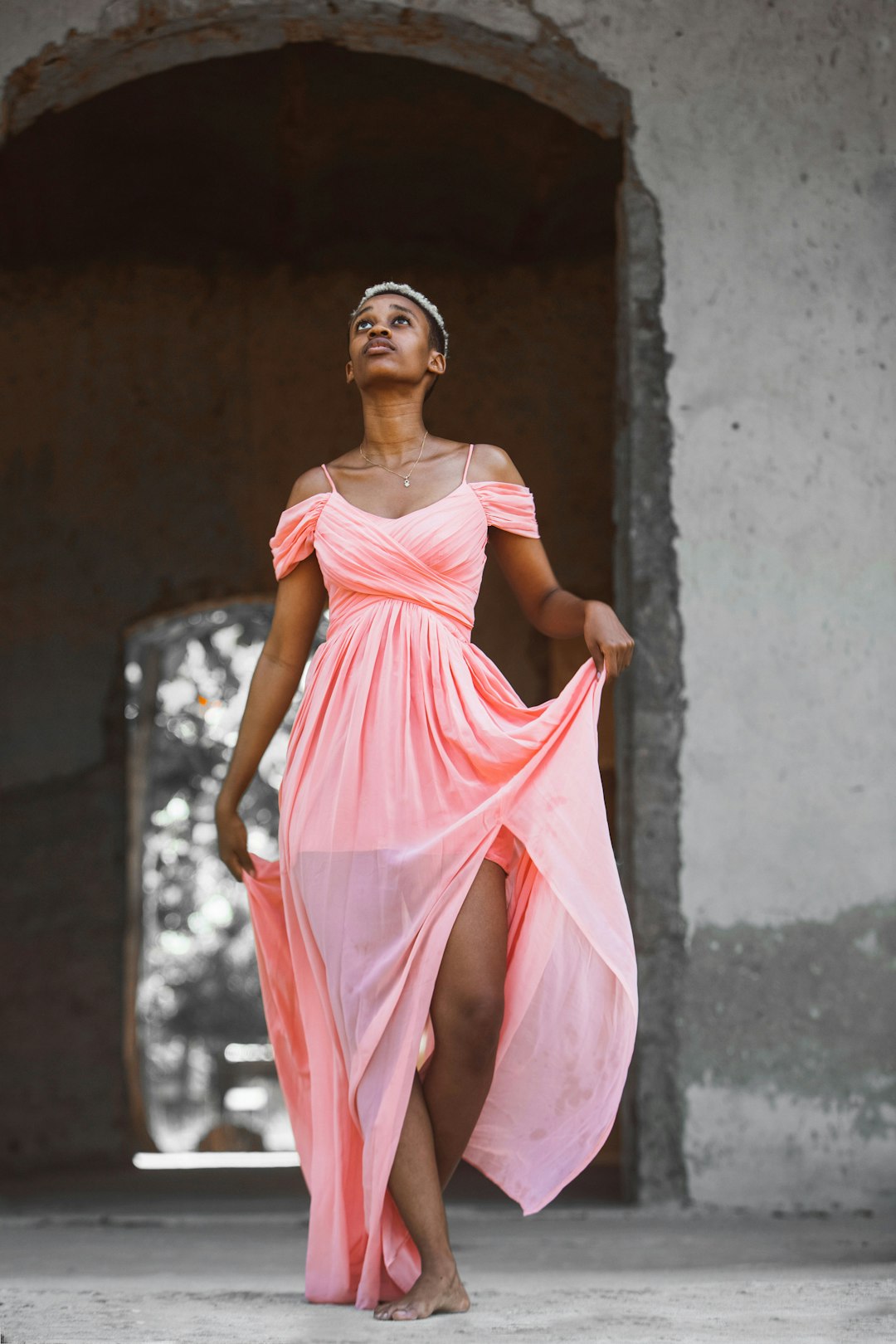
Women, listen: that gorgeous fitted dress you bought? Test it at home first. Do three consecutive spins. Does the hem ride up? Does the bodice shift side to side? If either answer is yes, put it back on the rack. The dress needs to move with your body, not impose its own geometry on yours. Spandex, charmeuse, and flowy rayon are reliable performers. Ruffles and layers are delightful — but only if they're sewn in. Loose ruffles get caught on rings, belt buckles, and other dancers' hands in ways that end your night early.
Color as a Conversation Starter
Cuban salsa floors are dark. The lighting is warm and amber and mostly there to make everyone look romantic. Against that backdrop, neutral tones disappear. You become a silhouette. And while there's a certain appeal to being mysterious, you usually want the opposite: you want your partner — and the whole room — to read your energy before you even start moving.
Bright, saturated colors communicate immediately. A deep magenta or electric blue catches the light every time you turn. Jewel tones — emerald, sapphire, ruby — photograph beautifully if someone pulls out a phone. And for women, anything with a bit of sheen, a satin weave, or subtle sequining catches motion in ways that plain cotton never will.
For men, a well-cut white shirt under amber lights does something almost unfair. Paired with dark trousers, it reads clean and confident. Add one bold element — a patterned vest, a contrasting belt, a printed pocket square — and you look intentional. Like you showed up to dance, not like you stopped by on the way somewhere else.
A quick note on prints: polka dots are a classic. Florals work. Stripes can look sharp but watch your pattern scale — tiny pinstripes get lost, bold wide stripes can read as costume. When in doubt, solid with one textured piece beats loud print that clashes with itself.
Your Shoes Are Not an Afterthought
This deserves its own manifesto. I have watched incredible dancers lose their footing because of inappropriate shoes. I've also watched a woman in simple heeled sandals outdance someone in full professional footwear because she had grip and he had smooth leather soles on a slightly dusty floor.
For men: closed-toe, low heel or flat, with a sole that grips the floor without sticking. Suede soles are standard in salsa for a reason — they slide on wood and tile without being slippery. Make sure the shoe has some ankle support. You're not running, but you are pivoting constantly, and weak ankle structure sends your weight to the wrong place.
For women: this is where a lot of new dancers go wrong. High heels look incredible. They are functionally a liability. If you're learning, start with a block heel or a modest Cuban heel — two inches maximum. Ankle stability is non-negotiable when you're throwing yourself into turns. As for the toe: open-toe works fine in social settings and keeps your feet cooler during long nights. Just make sure there's a strap across the front — nothing kills a spin faster than your shoe launching itself across the floor.
And please, for the love of everything: break in new dance shoes before you wear them to an actual event. Blisters are not a rite of passage. They're a sign you didn't prep.
The Small Things That Pull It Together
Accessories in salsa are a bit like seasoning — a little elevates the whole dish, too much overwhelms it.
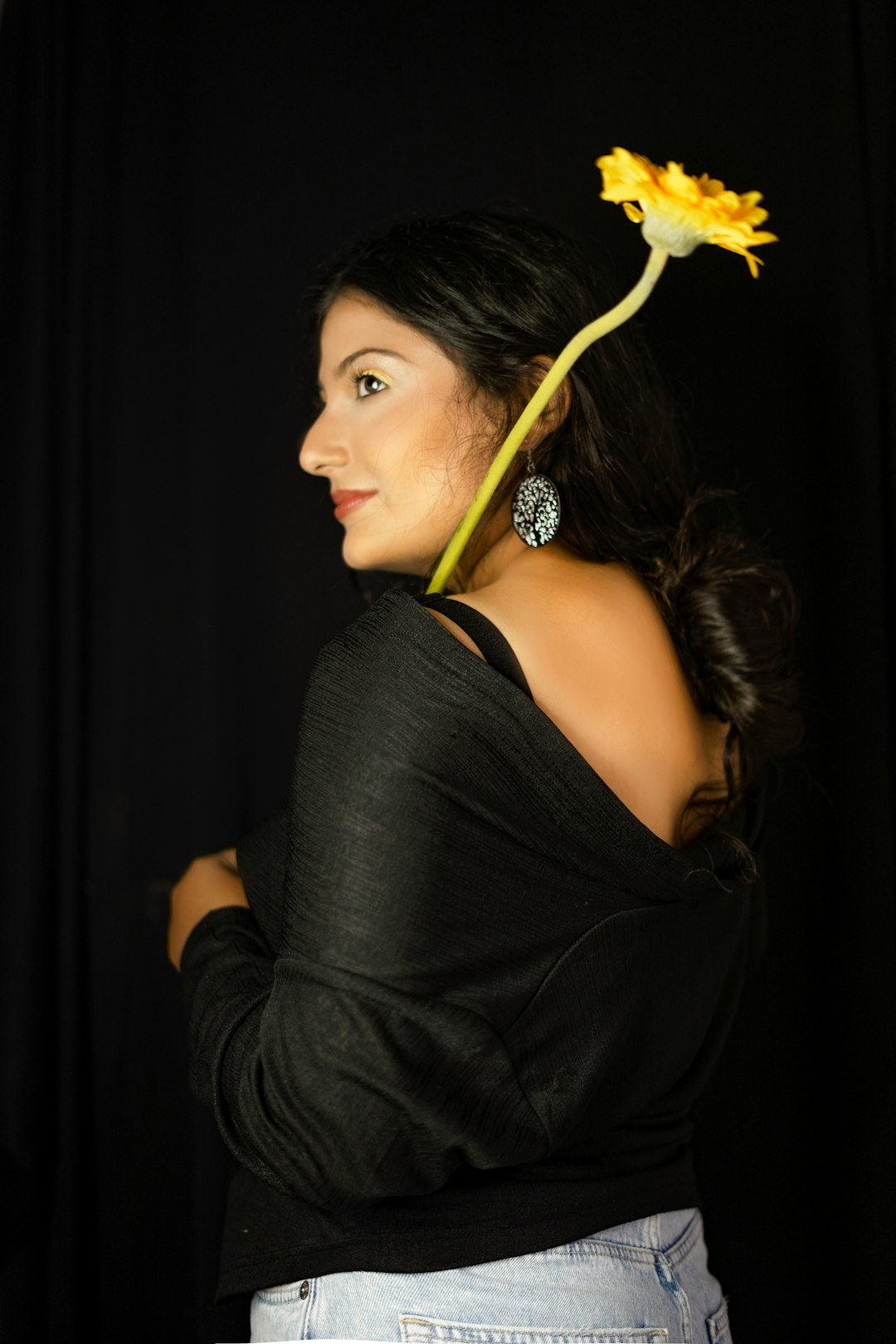
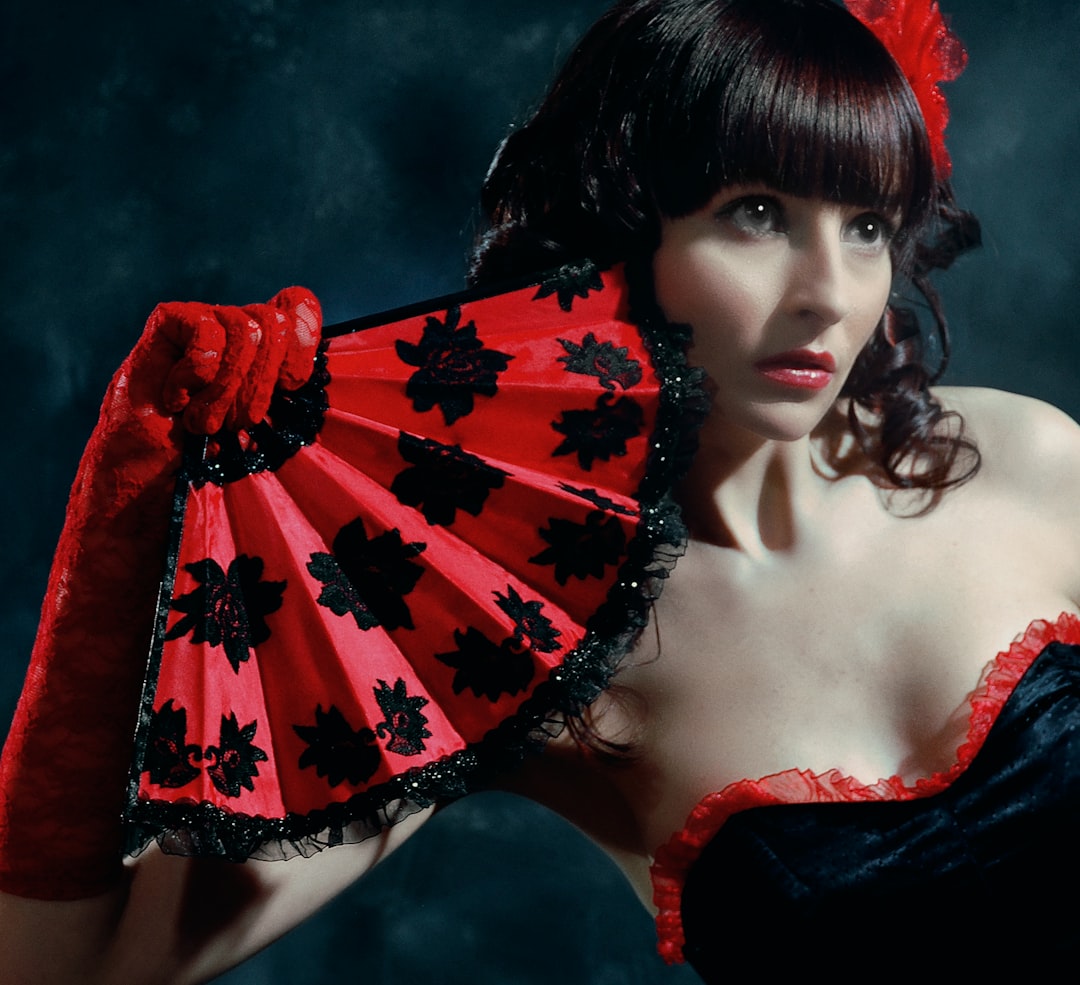
For women, earrings are your secret weapon. Long drops or bold hoops catch the light when you turn and communicate your personality before you exchange a single word. Scarves are versatile: they warm your shoulders between songs, they can be tied into a belt or headband, and a well-placed silk scarf over a simple dress adds layers of visual interest. Hair flowers are traditional in Cuban styles and they look gorgeous — just make sure they're pinned securely, not clipped on loosely. A hair flower flying across the floor mid-salsa is mortifying for everyone.
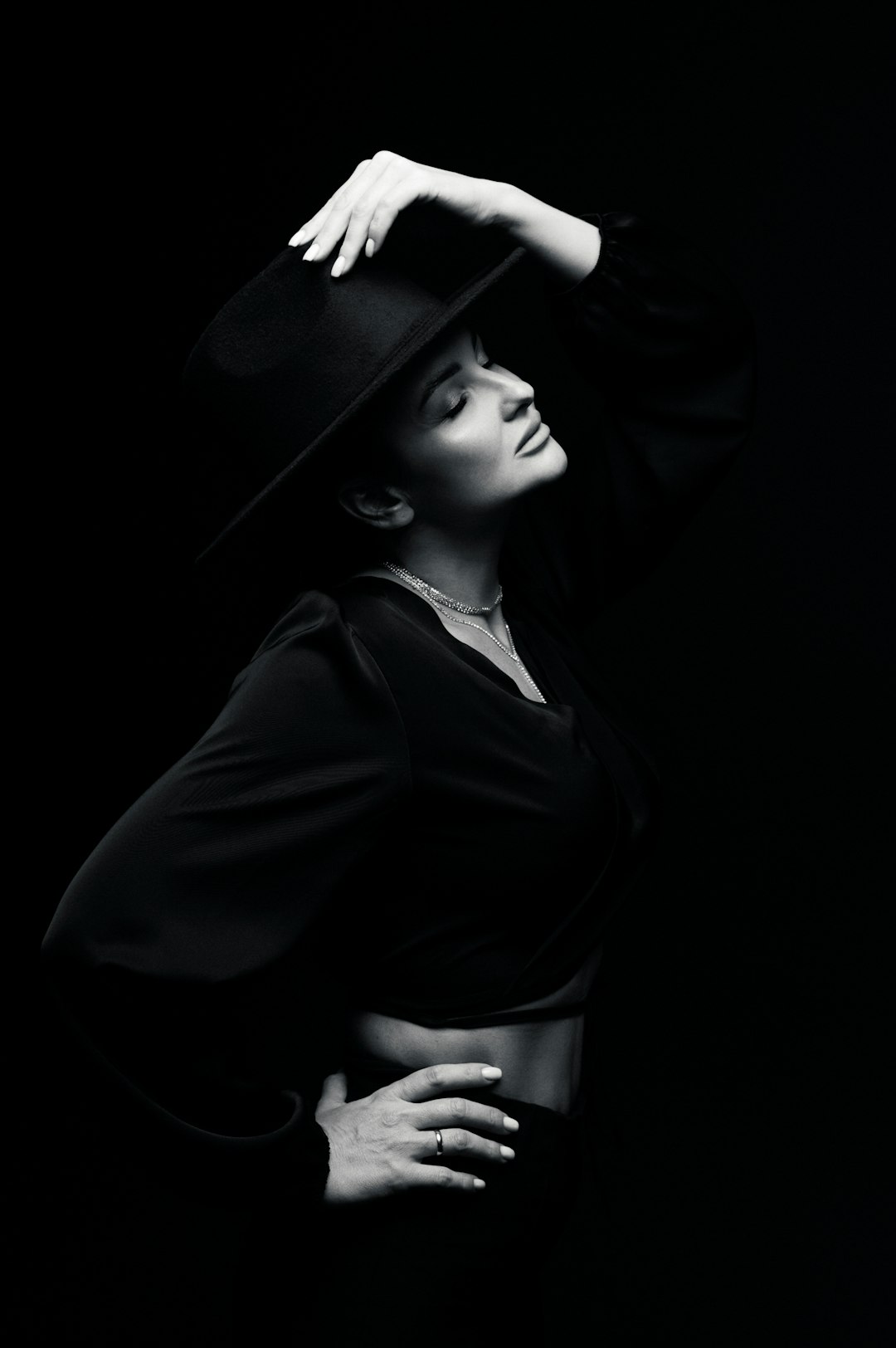
For men, a fedora or flat cap worn at the right angle is an instant character boost. It communicates a vibe, a mood, a reference to the old-school dancers who wore them before air conditioning was invented. Watches should be minimal — nothing bulky or noisy. A simple bracelet works. And if you wear a ring, make sure it has no sharp edges. Sharp rings grab fabric and disrupt lifts.
The Only Rule That Actually Matters
Everything above is a suggestion. Here is the actual rule: wear what lets you forget you're wearing anything at all.
The best salsa outfit is the one that disappears in your memory the moment the music starts. You're not thinking about your hemline. You're not adjusting your collar. You're not worried about your soles slipping. You're just there — present, connected, free to move exactly the way the music is asking you to move.
That freedom is the whole point. When you find the dress that spins the way you want, the shoes that grip without dragging, the fit that holds without squeezing — you'll know it. You'll stop thinking about what you're wearing and start thinking about the dance. And that's when you stop performing and start being a salsero.
Go find your outfit. The dance floor is waiting.