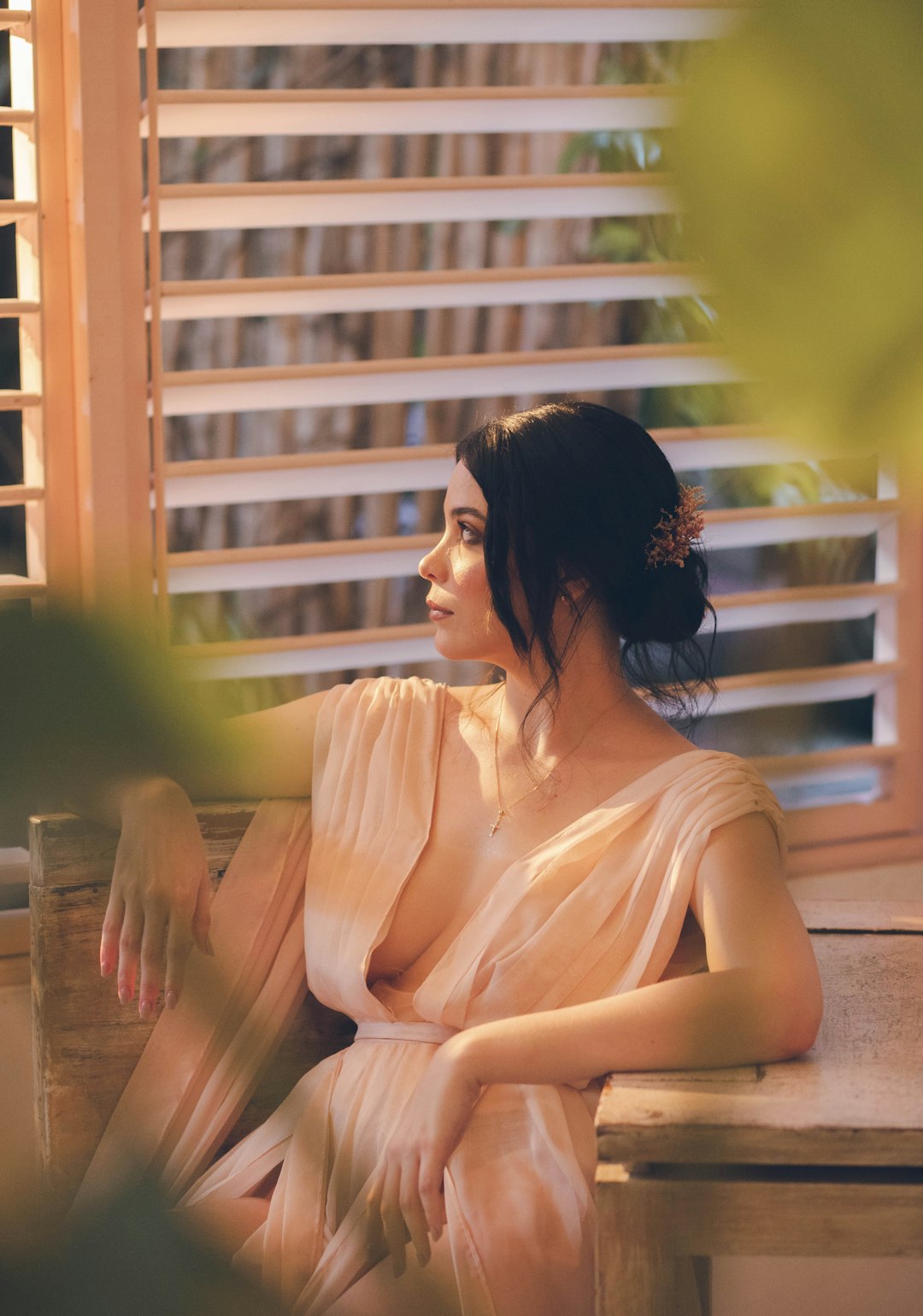
A lyrical dancer's body tells the story—every contraction, release, and sweeping reach carries emotional weight. But when a leotard rides up during a floor sequence or mesh panels dig into the ribs during a backbend, the narrative breaks. The right dancewear disappears into the performance, becoming indistinguishable from the dancer's own skin.
Whether you're a twelve-year-old navigating your first competition season, an adult recreational dancer returning after years away, or a parent deciphering costume requirements, understanding what actually matters in lyrical dancewear will save you money, frustration, and preventable wardrobe malfunctions.
Why Comfort Is Non-Negotiable
Lyrical dance demands sustained physical intensity disguised as effortless grace. Your clothing must support this paradox. Discomfort doesn't just distract—it visibly interrupts your lines, breaks your focus, and undermines the emotional authenticity that defines the genre.
Freedom of Movement: The Technical Details
Generic "stretch" isn't enough. Lyrical dancewear must accommodate specific movement patterns:
Seam placement: Flatlock seams at the shoulder and high hip prevent chafing during repeated port de bras and grand battements. Avoid standard overlock seams in high-friction areas—they'll rub raw during floorwork sequences.
Gusset construction: A diamond or circular gusset in leotards allows full split positions without tension at the crotch. This is critical for lyrical's elongated lines; a poorly constructed gusset creates visible pulling that shortens your silhouette.
Shoulder mobility: Look for racerback or wide-set tank straps that don't impinge scapular movement. Cross-back designs with adjustable sliders accommodate varying torso lengths without gaping.
Breathability and Moisture Management
Lyrical pieces often run three to four minutes—longer than many jazz or tap numbers—with sustained cardiovascular demand. Prioritize four-way stretch fabrics with 15-20% spandex content for recovery that maintains shape through multiple performances. Microfiber blends (88% polyester/12% spandex) wick moisture without the cheap sheen that glares under stage lighting.
Avoid cotton-rich blends. They absorb sweat, become heavy, and lose structural integrity when damp—disastrous for a second performance or awards ceremony photos.
Floorwork-Specific Considerations
Lyrical's grounded vocabulary—knee slides, barrel rolls, weighted collapses—demands protection:
- Knee coverage: Unlined mesh or thin spandex offers minimal protection. Look for reinforced knee panels or layer with flesh-toned kneepads designed for dance (bulkier volleyball pads disrupt line quality).
- Friction management: Satin or slippery lining in briefs prevents skirts from riding up during slides; silicone gripper elastic at leg openings keeps everything anchored without visible squeezing.
Why Style Serves the Story
In lyrical dance, costume isn't decoration—it's narrative equipment. The right aesthetic choices amplify your choreographic intent; wrong ones create dissonance the audience feels even if they can't name it.
Color Psychology and Emotional Resonance
Color theory in lyrical costuming operates below conscious perception:
| Color Palette | Emotional Register | Best For |
|---|---|---|
| Deep jewel tones (sapphire, burgundy, emerald) | Weight, longing, emotional depth | Contemporary ballads, grief/loss themes |
| Soft blush, champagne, dusty rose | Ethereal, hopeful, dreamlike | Uplifting pieces, coming-of-age narratives |
| Stark black and white | Contrast, conflict, dramatic tension | Angry or confrontational choreography |
| Earth tones (terracotta, olive, rust) | Grounded, organic, human | Nature-inspired or folk-contemporary fusion |
Consider how your costume's color interacts with lighting design. Deep navy reads as black under dim stage lights; pale pink washes out under heavy gels. Request a lighting rehearsal in costume whenever possible.
Silhouette and Line Quality
Lyrical dance emphasizes uninterrupted kinetic flow. Your costume should extend, not interrupt, your body's lines:
- Skirt length: Mid-thigh to knee-length offers the most versatility—short enough for leg extensions, long enough for swirling effects during turns. High-low hemlines create dynamic shape without tripping hazard.
- Cutouts and mesh placement: Strategic sheer panels at the waist or back create visual interest while preserving the continuous line of the torso. Avoid horizontal cuts at the widest point of the ribcage, which visually shorten the waist.
- Embellishment discipline: Sequins, rhinestones, and appliqués catch light beautifully but add weight and snag risk. If partnering is involved, eliminate surface embellishments entirely. For solo work, concentrate sparkle at the neckline or shoulder to draw the eye upward.
Personal Expression Within Framework
Most competition circuits and studios impose costume guidelines. Within those constraints, small choices signal individuality: a distinctive back