---
The Secret Lives on Stage
The first time I wore a bata de cola on stage, I learned something my instructor never taught me: the dress dances with you, not the other way around.
I was eighteen, performing in a provincial tablao in Seville, wearing my mother's old dress—a deep crimson thing with a train that dragged three feet behind me. Halfway through my solo, I stepped on my own hem and nearly crashed into the guitarist. The audience didn't notice, but I did. And that moment taught me the most important lesson about flamenco costuming: your clothes aren't just something you wear. They're your silent dance partner.
Honor the Tradition, But Make It Yours
Now, I'm not going to stand here and tell you that traditional flamenco dress is the only way. But understanding where it comes from? That matters.
The bata de cola—the long dress with that dramatic trailing hem—wasn't originally designed for aesthetics. Eighteenth-century women in Seville needed to hide their feet during certain steps. That train became a weapon. When you spun, it opened like a fan. When you stood still, it pooled around you like spilled wine. The train learned the choreography long before you did.
Men have it different. Traje de luces—literally "suit of lights"—got that name because all those gold and silver threads catch the stage lights and throw them back at the audience. Every time you turn, you flash. Every time you pause, you glisten. That's not装饰. That's strategy.
Fabric Is Function
Here's what I wish someone had told me: the cheapest dress in the costume shop might actually be the smartest choice.
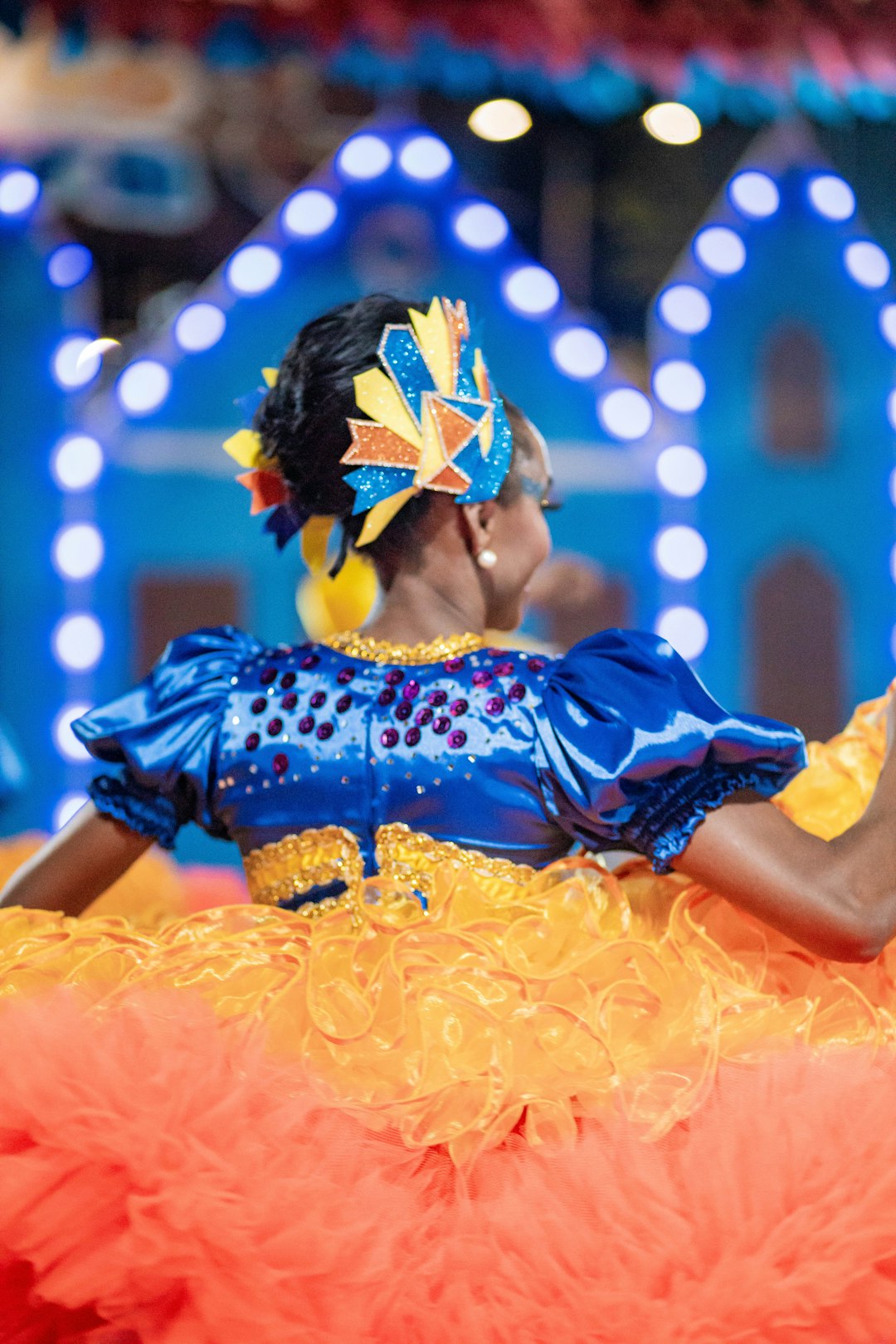
That heavy satin feels luxurious in the dressing room. Twenty minutes into a two-hour show, it becomes a wetsuit. You want fabric that breathes—but also fabric that holds a shape. Tulfollows your legs like a whisper. Taffetápops when you turn, creates that snap-flash moment that makes photographers love you.
For guys, lightweight wool or a good polyester blend lets you move without disappearing inside your own jacket. Flamenco isn't about hiding your body. It's about showing it.
Color Speaks Before You Do
I once watched a dancer perform in Baby Pink. Yes, baby pink, in a tablao, in front of three hundred people who came expecting—and I quote my professor—"death and desire in equal measure."
She was incredible. But the whole show, I kept thinking: something's off.
Red hits different. So does black. These colors carry centuries of meaning—the red of passion and sacrifice, the black of mourning turned to strength. You can absolutely break the rules. Just know what you're breaking, and why.
Ruffles, lace, sequins—these aren't decoration. They catch light. In a dim tablao, those sequins are your stage lighting. Go easy on beginners; learn the rules first, then break them once you understand what you're doing.
Fit Is Everything—But Not What You Think
A lot of students come to me worried that their costume doesn't fit perfectly. And I tell them: it shouldn't.
Your dress needs to move with you, not against you. That means when you practice in it, you should feel slightly connected—but not restricted. A Bata de cola that's too tight around the waist stops your turns. A Traje de Luces that's been tailored to the inch won't survive a full evening of sweating and emotional chaos.
Get it close. Leave room to grow, literally.
The Accessories Nobody Actually Uses
I own four peinetas—the traditional Spanish combs that go in your hair. I've used one. At my fourth performance.
The mantón de Manila, that gorgeous shawl, is practically a prop in itself. You can snap it, swirl it, let it extend your arms by two feet. But most beginners hold it like they're afraid it'll bite.
Here's my advice: choose two accessories max, and practice with them until they feel natural. Don't show up on stage with a new comb you've never touched, expecting it to behave. It won't.
Find Your Own Version
My favorite dancer—María José García—wore green. Green in a form that runs on red and black. Nobody talked about how she broke the rule. They talked about how she owned it.
Personalization isn't about finding a loophole. It's about making the tradition fit your body, your story, your specific set of shoulders. Maybe that's a different shade. Maybe it's embroidery your grandmother stitched. Maybe it's leaving the train six inches shorter because you like to spin fast and you've never once caught your foot.
Do whichever one feels like you.
Wear It Before You Dance In It
I know. You just want to get to the stage. But wearing your costume for the first time during your performance is a disaster with a built-in audience.
Practice in it. At least twice. Feel how the weight shifts when you turn. Discover where the sequins catch your eye. Figure out if you need to SafetyPin the hem because it bunches when you crouch.
Show up on stage confident. The audience came to watch a dancer, not a person figuring out how to walk.
Your Clothes Are Your First Word
Before you strike your first pose, before you hear the first chord—the audience sees what you're wearing.
That moment matters. And I'm not saying your costume makes the dancer. But it gives you somewhere to hide when you're scared, somewhere to shine when you're brave, somewhere to disappear into when the music takes over and you forget everything except the beat and the body and the way the whole room goes quiet.
Dress like you're worth watching. Because you are.