---
The Moment That Changed Everything
I still remember the first time I showed up to a square dance in jeans and a t-shirt. Comfortable, I thought. Practical. Wrong. By the end of the night, I was sweating in cotton that wouldn't breathe, my belt digging into my waist after fifty do-si-dos, and watching everyone else look like they'd stepped off a Western film set while I looked like I'd wandered in from the gym.
That's when I realized: square dance fashion isn't vanity. It's strategy.
What you wear directly impacts how you move. And more importantly, how you feel. Because square dancing isn't something you do—it's something you are part of. Your outfit should reflect that.
Finding Your Square Dance Identity
Here's something most articles won't tell you: there's no universal "correct" outfit, but there is a wrong one. Anything that makes you think about your clothes instead of your feet is wrong.
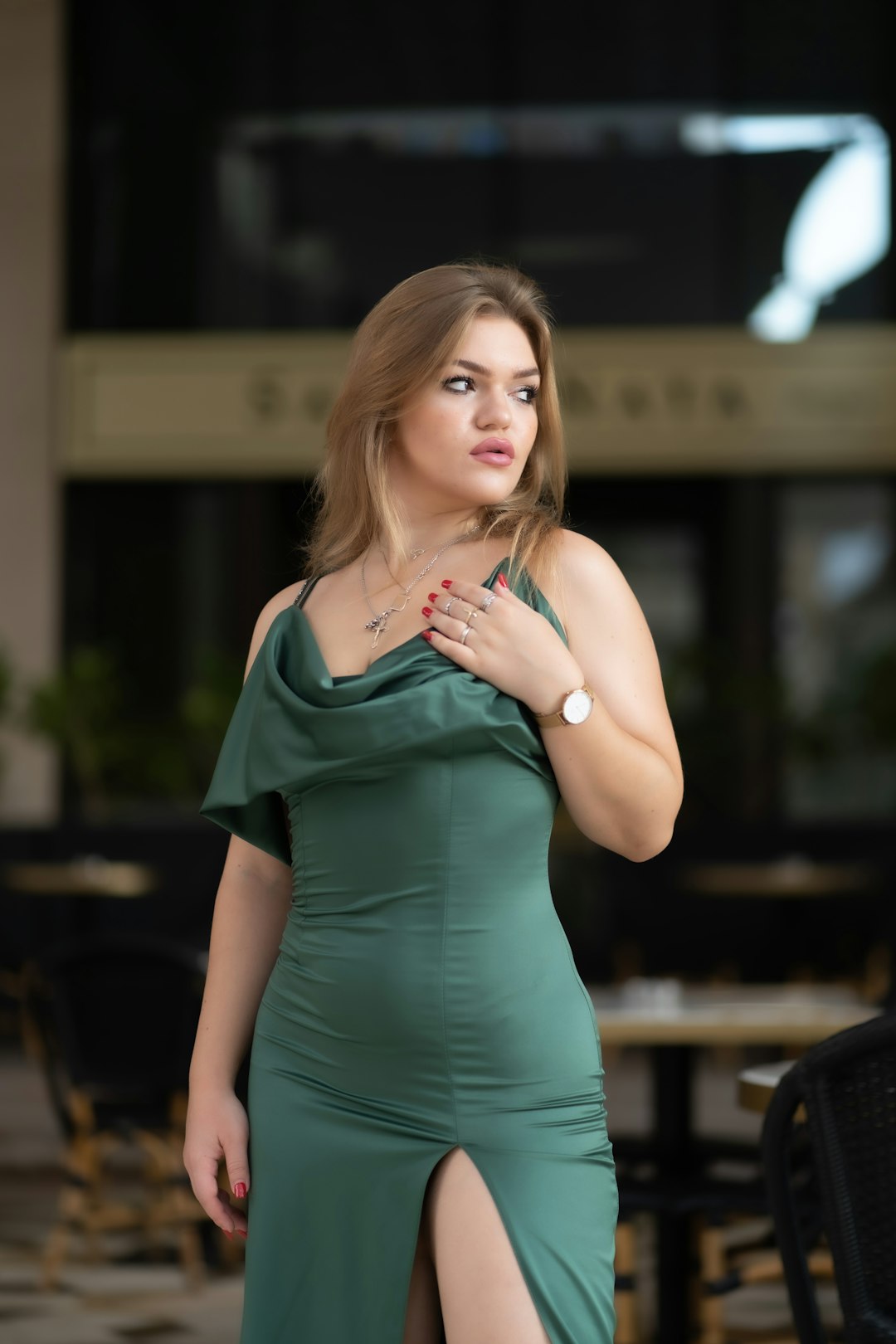
For women, this usually means moving away from anything with a restrictive waistband. That cute high-waisted skirt that looks great stationary? It'll be a problem the third time you step aside for a star busy. Instead, look for A-line skirts that move with you, or flowing dresses in breathable fabrics. I've seen seasoned dancers swear by simple skimmers in bold patterns—not because they're traditional, but because they've learned what works.
Men, you're luckier than you think. A decent pair of jeans with some stretch, a button-down that doesn't fight you, and you're halfway there. The real secret? Good boots. Not cowboy boots necessarily, though that's the classic choice. But soles that grip the floor and let you pivot without slipping. I learned that the hard way after nearly taking out a whole line of dancers during a swing corner.
Breaking the "Traditional" Trap
There's pressure in the square dance world to go full western—plaid shirts, denim, the whole nine yards. And look, if that's you, own it. But I've also seen dancers who clearly forced themselves into costumes they hated, spending the entire dance uncomfortable and self-conscious.
Here's the thing: tradition matters in square dance because it works. Those cowboy boots? They have ankle support for repetitive spinning. That button-down? It'sButtons that actually button, unlike that trendy magnetic shirt that flies open during a do-si-do. But you can honor the spirit without cosplaying.
Bright colors are your friend, by the way. During a square dance, the room becomes this swirling mix of movement and color. Don't disappear into beige. A pop of red, a bold vest, a patterned scarf—these aren't distractions, they're participation.
The Practical Details Most People Forget
Let me tell you about the accessories problem. Everything looks great in your closet. That statement necklace? Gorgeus. The oversized earrings? Fabulous. Six hours later, after they've been swinging against your neck, you'll be questioning your life choices.
The rule is simple: if you can feel it, it's too heavy. This goes for hats as well. Wide brims look incredible—until you're doing a figure eight and constantly tipping them back into place.
Layering, though, is genuinely smart. Venues fluctuate. Dance hard enough and you'll generate heat, but stand around during a tip-off and you'll cool down fast. A light vest or jacket you can stash in a corner makes the difference between staying comfortable and getting distracted.
Making It Yours
The best square dance outfits I've seen weren't the most expensive or the most traditional. They were the ones that clearly belonged to the person wearing them.
One woman at a jam I attended had a skirt she'd embroidered herself—little horses and stars along the hem, visible only when she spun. An older gentleman always wore the same faded red shirt, so worn-in it moved like a second skin. These weren't costumes. They were identities.
That's what you're really choosing when you pick your outfit: who you are in that room. Someone fun? Someone classic? Someone bold? All of them are right, as long as you're being honest about it.
---
Get dressed for how you want to feel, not how you think you're supposed to look. Confidence isn't a costume—it comes from wearing something that lets you forget you're wearing anything at all. The rest is just movement.