---
The first time I performed flamenco, I wore a dress I thought was gorgeous—high neck, full skirt, the works. Beautiful, right? Wrong. That thing had seventeen layers of crinoline underneath, and by the end of my third zapateado, I was basically trapped in a fabric prison, sweating through my makeup and nearly tripping every time I tried to turn.
That was the night I learned that folk dance attire is not about looking like a museum exhibit. It's about feeling like you can actually move.
It Starts With Knowing What You're Dancing
Here's the thing nobody says out loud: before you buy a single piece of clothing, you need to understand the dance itself. Not just the steps—the story behind them.
Flamenco, Irish step dancing, Scottish Highland, Greek folk, Japanese bon odori—these aren't just different styles. They're different languages. A flamenco dress (traje degitano) has a specific的历史 for the Romani people. Irish dancers wear ghillies because that's what was available in the dance halls of old Dublin. The fabric, the cut, the color—all of it means something.
So yeah, do your homework. Watch videos. Read about the cultural context. Ask yourself: Am I honoring this tradition, or just playing dress-up?
The Comfort Factor (Yes, It Actually Matters)
I know traditional costumes look stunning. But let me tell you stunning doesn't mean anything when you're backstage tugging at a waistband that's cutting off your circulation.
Folk dance is physical. We're talking hours of standing, spinning, jumping, heavy footwork that can go on for minutes straight. Your costume needs to move with you, not fight against you.
What works:
- Cotton, linen, silk—fabrics that breathe and let your skin actually function
- Loose enough to raise your arms without feeling like you're in a corset
- Lightweight wool for colder venues (looking at you, Scottish halls with zero heating)
What doesn't work:
- Anything you have to hold your breath to zip
- Skirts so heavy you can barely lift your legs
- New shoes you've never worn in before—seriously, don't do that to yourself
Footwear Is Where It Gets Real
This is where most beginners go wrong, and I include my younger self in that category.
Footwear isn't optional or decorative in folk dance—it's functional. Flamenco boots have specific heels because the tap is part of the music. Irish ghillies are soft and light because those dancers need to move fast enough to make their feet blur. Dutch klompen (clogs) are literally part of the instrument when you dance.
If your dance style calls for specific shoes, get them. Don't try to substitute running shoes or ballet flats because they look similar. They sound different, they feel different, and in a group performance, you'll be the one person out of step.
When in doubt, ask your instructor. Or watch professionals dance—you'll notice the shoes tell you everything about the style.
Accessories: The Trickier Balance
This is where I see people go both ways—either wearing nothing because they're scared, or wearing so much they look like a Christmas tree fell on them.
A few principles:
- If it dangles, it will slap you in the face during a spin. Save the long earrings for the audience, not the dance.
- A simple belt or sash can ground your outfit and give you something to grip during lifts
- Headpieces and jewelry should be secured. I once lost a hair comb mid-performance and spent the next thirty seconds trying to figure out where it went instead of counting bars.
Less is more. Always. The dancing should be the show, not your accessories.
Making It Yours
Now here's the part where I get a little passionate.
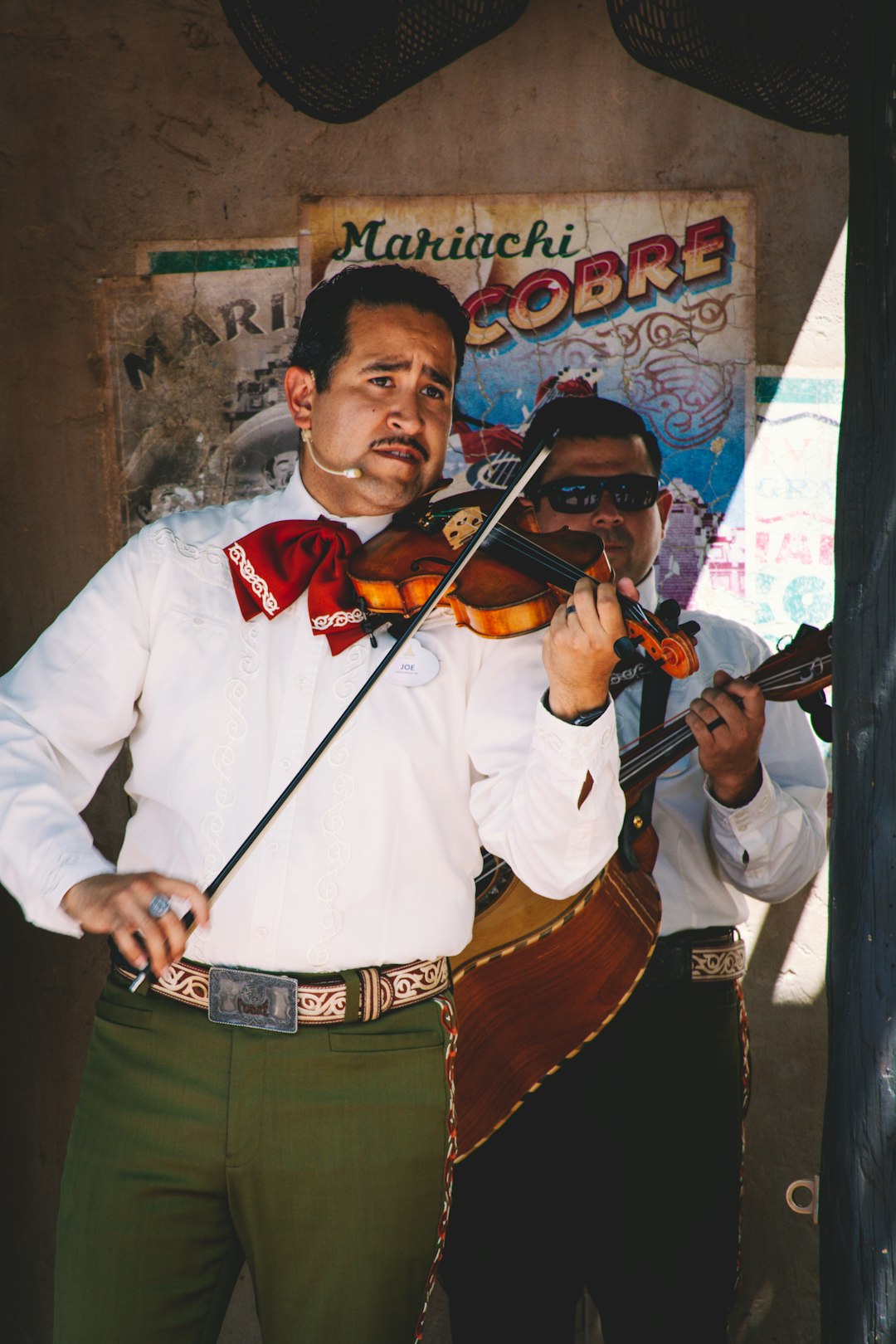
Respecting tradition doesn't mean copying it exactly. Some of the most interesting dancers I've ever watched put their own twist on classic forms—modern fabrics in traditional cuts, subtle color palettes that feel contemporary, personal embroidery that tells their own story.
In Irish dance, I've seen dancers incorporate subtle Celtic knotwork into otherwise standard dresses. In flamenco, performers add contemporary elements to their.traje while keeping the core silhouette recognizable. That's not appropriation—that's evolution.
The tradition survives because people make it alive, not because they freeze it in amber.
One More Thing Before You Go
Before your first performance—or your fiftieth—practice in your full outfit. Don't just try it on and take a selfie. Wear it around your house. Dance in it. See where it pulls, where it rides up, whether the shoes rub.
Make adjustments now, not in the green room.
And when you finally walk out on that stage or dance floor, you should feel confident—not like you're fighting your own clothes.
That's the secret. That's what nobody tells you. The right folk dance attire doesn't just look the part—it lets you become the dance.
Now go find your outfit. And dance like nobody's watching.