---
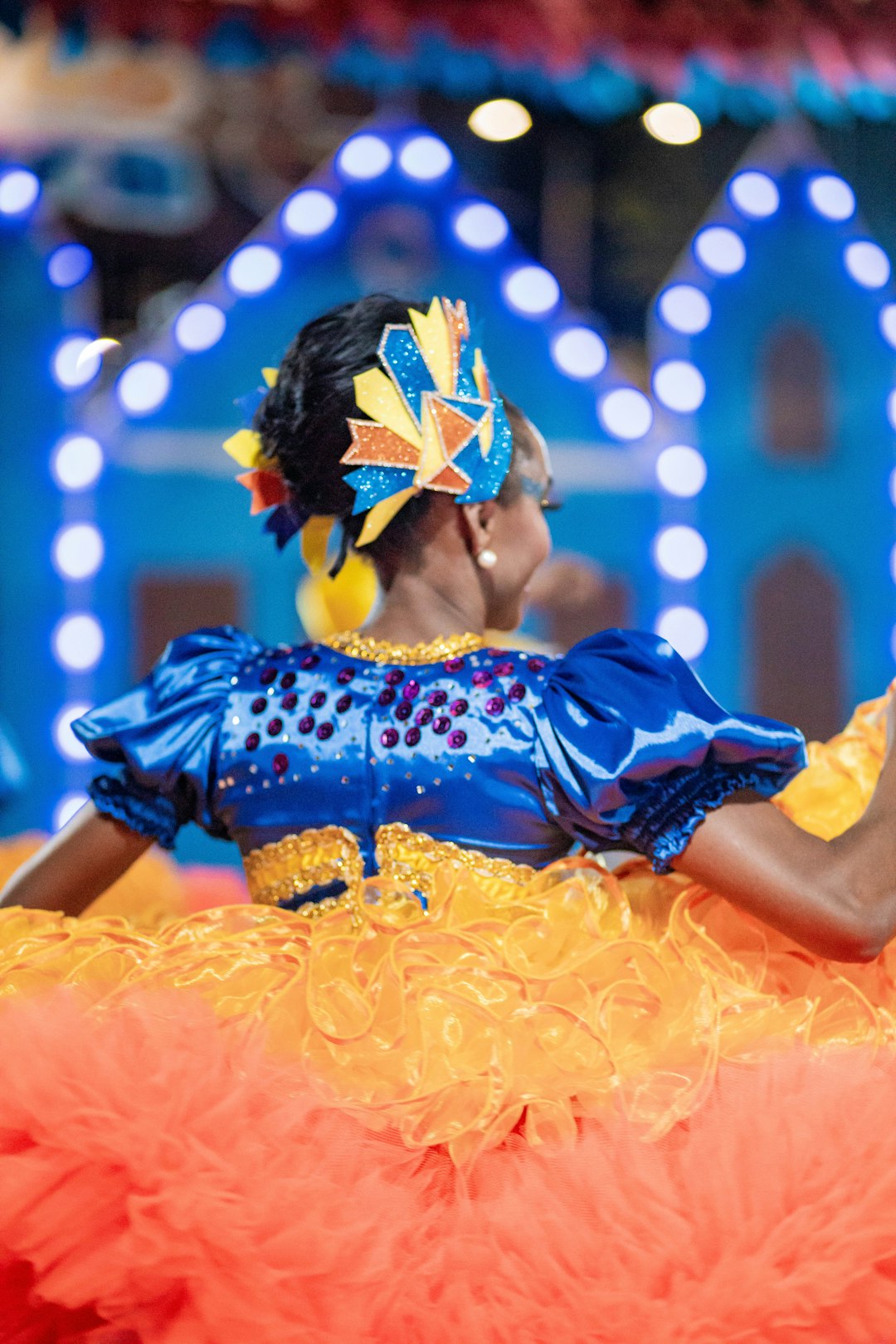
So you've decided to try Sevillanas. Maybe you caught a video online – those women in swirling polka-dot dresses, moving together like they've got one mind – and thought, "I want to feel that." Or maybe you just got back from Seville, still buzzing from watching strangers grab hands and spin through the streets at some random festival, and you want in on that magic.
Here's the truth: you're going to be terrible at first. And that's the best part.
What's Really Happening When You Walk Into That First Class
Sevillanas looks effortless when you watch skilled dancers – the footwork crisp, the turns clean, the whole room moving like a well-oiled machine. What you don't see is the weeks of confused hands, forgotten steps, and wondering why your heels sound like taps in a washing machine.
That's okay. That's where everyone starts.
The beautiful lie about Sevillanas is that it's "beginner-friendly." It is – compared to other flamenco forms. The rhythms are regular. The steps repeat in patterns. You can learn a basic sequence in an hour and feel like you're dancing. But here's what the brochures don't say: feeling like you're dancing and actually dancing are two very different things.
Sevillanas has four sections, called "coplas" or verses. Each one has its own step pattern, its own energy. You might nail section one, feel confident, then walk into section two and suddenly your feet have never met your brain. It's humding. That's normal. It means you're learning.
What You're Actually Learning (Beyond the Steps)
Here's what pulls you through those early awkward weeks: you're not just learning choreography. You're learning a whole new relationship with your body, your rhythm, and your sense of self in motion.
The rhythm will change how you hear music. Sevillanas lives in a 3/4 time signature – that swing-waltz feel – or sometimes 6/8. Your brain initially hears it as regular beats, but slowly you start feeling the emphasis underneath, the weight on certain counts. This takes time. Play Sevillanas music in your kitchen, in your car, while you're folding laundry. Let it get into your bones before you even try to move. One day, your body will start anticipating the turns before your brain catches up. That's the shift.
Your feet will find a new voice. Flamenco footwork – called "taconeo" – is percussive. It's not just about making noise; it's about making intention. A heel strike can be sharp and aggressive, soft and sneaky, sharp and held. When you watch experienced dancers, each step sounds intentional, like a word in a sentence. When you start, everything sounds like mumbling. Keep going. Your ankles will get stronger, your timing sharper, and one day someone will say "nice zapateado" and you'll actually glow.
The attitude part is the hardest. Flamenco has a reputation for being dramatic, and honestly? It's earned. This dance carries emotion – joy, longing, defiance, flirtation. Some people pick that up naturally. Others, myself included, feel stiff and ridiculous trying to emote through our feet. The fix isn't to "feel more" – it's to care less about looking foolish. The minute you stop worrying about how you look, something opens up. Confidence in Sevillanas isn't arrogance; it's presence.
Finding Your Way Forward (Without Losing Your Mind)
By now you might be wondering: how do I actually learn this without spinning in circles?
Find a teacher who specializes in Sevillanas. Not just "flamenco for beginners" – Sevillanas specifically. The footwork, the arm positioning, the energy all have particular quirks. A general flamenco class will teach you technique, but a Sevillanas-focused class will teach you the dance.
Get comfortable being bad in public. You will mess up. You will step on someone's foot. You will freeze mid-turn and forget the next step. Everyone in that room has done the exact same thing. The ones who stuck with it learned to laugh at themselves early. The ones who quit usually got stuck on "I looked stupid." Don't be that person.
Learn the music, not just the steps. Here's something people skip: understanding what you're dancing to makes everything easier. Listen to the guitar, the cante (singing), the palmas (hand claps). When you know a song, your body starts anticipating the changes. You stop following and start responding. That's when it stops being exercise and starts being dance.
Watch people who actually do this. Not just YouTube pros – find videos from real festivals in Seville,apasotes (flamenco parties), local performances. Watch how they move when they're having fun, not performing. Watch the energy. Watch how it spreads. That's the actual goal: not perfect technique, but that sense of alive joy that makes strangers want to join in.
The Thing Nobody Says Out Loud
Here's the real secret about learning Sevillanas: it's never about "mastering" it. You're not building a checklist of moves to complete. You're joining a tradition that spans generations, a culture that uses rhythm and movement to say what words can't.
Every flamenco dancer in Spain started exactly where you are – standing in a studio, thinking "everyone is watching me mess up." They kept coming back. They kept messing up. And one day, the mess-up stopped mattering as much as the feeling of moving together with people who chose to be in that room.
That's what you're really signing up for. Not perfect steps. A different way to be in your body, connected to a music and a history that somehow makes the caos feel like home.
Go find a class. Make noise with your heels. Forget the next step and smile anyway.
The rest comes.