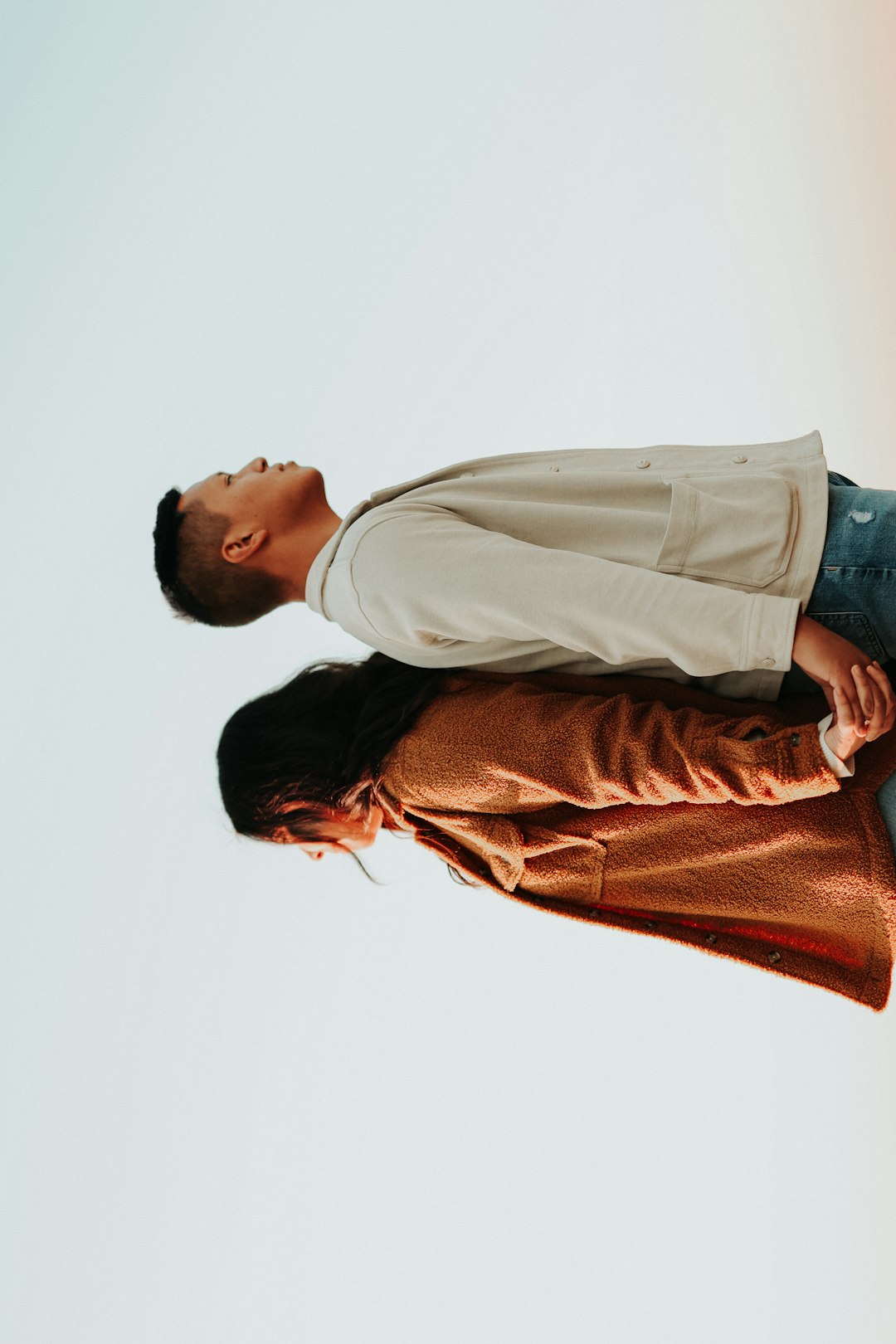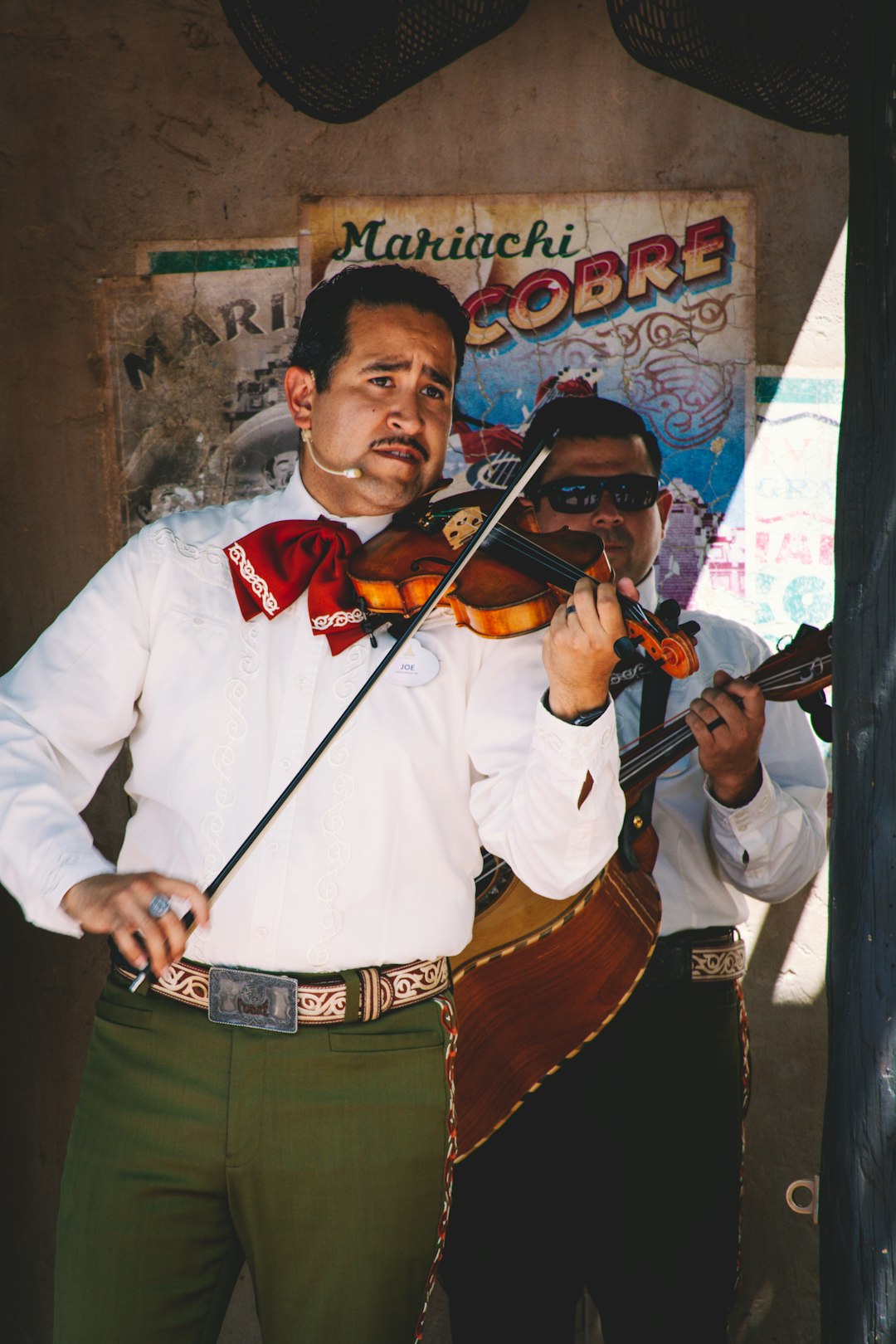
Picture this: it's a Thursday evening, you're standing in the back of a community center gymnasium in Cleveland, and about forty strangers are circling the room doing something that looks like a cross between line dancing and a synchronized sprint. You don't know the steps. You don't know the music. You definitely don't know anyone. But somehow, within twenty minutes, a woman with silver rings on every finger grabs your hand, spins you twice, and suddenly you're part of it.
That's the thing about folk dance nobody writes in the beginner guides. The community doesn't form around you while you're practicing alone in your living room. It happens when you show up, slightly terrified, and let the room pull you in.
Finding Your Footing in a Sea of Options
Folk dance isn't a single thing. It's an umbrella term that covers Irish ceili halls in Dublin, hora circles in Bucharest, and the synchronized chaos of a Bollywood film set. Before you commit to anything, spend an evening on YouTube. Don't just watch — actually watch. You'll know within five minutes whether a particular style makes you want to move or makes you want to close the tab.
The Kolo, for instance. Those Balkan circles move fast. The lead dancer carries a cloth or holds hands with the person beside them, and the line snakes around the room while the rhythm drives you forward like something's chasing you. If that sounds exhausting, try sitting that one out. Irish ceili, on the other hand, has a different energy — structured figures, lots of swinging partner moves, and a caller who practically yells the instructions over fiddles. Some people thrive on that structure. Others feel trapped by it.
Salsa pulls from completely different geography. Afro-Cuban roots mixed with Spanish colonial influence — syncopated steps, hip isolation, a conversation between your body and whatever the piano's doing. You don't need a partner on day one, either. A lot of beginner salsa classes teach solo footwork first. They'll partner you up later, once the weight shift and the step timing start feeling natural.
There's no wrong choice here. There's only what makes your feet restless when you're supposed to be sitting still.
Walking Into That First Room
Okay, you picked something. Now comes the part that actually takes courage: showing up.
Search your local community centers, libraries, and parks department schedules. A lot of cities have cheap or free folk dance drop-ins specifically for beginners — the kind where it's fine to stand in the back and just watch for the first hour. If that doesn't exist near you, look for university extension programs. Colleges with world music or ethnomusicology departments often run community classes at surprisingly low rates.
Online communities are easier to find than ever. Facebook groups for local folk dance scenes tend to be small and welcoming, and someone will usually respond within a day if you ask where newcomers should start. Reddit's r/dance has surprisingly active threads. The tricky part is that not every style has a strong online presence for every city — Bollywood-adjacent dance communities tend to organize through Instagram, while Scandinavian folk dance scenes in the US sometimes work through local Scandinavian cultural societies.
Don't overthink the footwear before you get there. Most folk dance styles are pretty forgiving on day one. Breathable layers, anything you can move in freely, and shoes with some grip but not rubber soles that stick to the floor — that's the whole checklist. The rest will reveal itself once you've been in the room for twenty minutes.
The First Three Months Actually Matter
Here's what actually happens when you're starting out: you're going to forget the steps the moment you learn them. Your body is learning an entirely new vocabulary of movement, and that takes time to encode. Expect to feel uncoordinated for at least the first six to eight weeks. This is normal. Your brain is building new neural pathways, and it happens on its own schedule.
Practice doesn't have to mean a formal practice session. Put on music from your style while you're cooking dinner. Mark the steps with your feet while you're folding laundry. Watch a tutorial once a week and try one new eight-count sequence. The cumulative effect of low-key repetition beats hour-long drilling sessions for most people at this stage.
Joining a group — even an informal one — accelerates everything. Folk dances weren't designed for solo practice. They're social systems. The energy of other bodies in the room changes how you move, and the social expectation of showing up keeps you accountable in a way that a practice playlist never does.
A note on tutorials: they're useful but limited. You can't see your own weight distribution in a YouTube video, and you can't feel whether your hip is rotating correctly. Use them for choreography reference, not for form correction. Get in a room with a teacher who can watch your body and tell you what's off.
Where It Actually Goes
Once the basics start feeling like something your body knows — maybe three to six months in, depending on how often you practice — the style opens up in ways that were invisible when you started. Folk dance isn't a hobby you master. It's a world you keep exploring.
Some people go deep into one tradition. They learn the regional variations, the historical context, the relationship between specific dances and seasonal festivals. Others move sideways — they start with Balkan and drift into contra dance, then realize they love the caller-driven format and end up spending Tuesday nights in a Vermont town hall. Both paths are valid.
The events are worth seeking out. Festivals bring dancers who might live three states away but make the trip because nothing replaces dancing in a room full of people who share that specific obsession. Socials are lower-stakes — just showing up, dancing for a few hours, and going home. Performances are optional but often revelatory; seeing a form you've been practicing at intermediate level performed at a high level gives you something to aim for and a reference point for what the movement is actually supposed to feel like.
The Part That Stays
What keeps people in folk dance isn't the steps. It's the people. The hand grab in a Kolo circle that connects you to a stranger who doesn't speak the same language but shares the same rhythm. The ceili hall where everyone knows your name because you've been showing up for six months and the regulars have adopted you. The salsa social where a woman who's been dancing since she was eight asks you to dance and somehow that feels like the real beginning.
Show up once. Figure out the rest from there.