Cumbia is more than a dance—it's a living tradition where every turn of the skirt and shuffle of the feet connects you to centuries of cultural history. Whether you're stepping onto the dance floor for the first time or preparing for a formal performance, what you wear shapes how you move and how you honor the roots of this celebrated art form.
Understanding Cumbia: Why Attire Matters
Born on Colombia's Caribbean coast, Cumbia blends African, Indigenous, and Spanish influences into music and movement that spread across Latin America and beyond. The dance's signature shuffle step—originally performed with one foot dragging in the sand—directly shaped its visual identity. Long, flowing skirts were designed to catch the air and accentuate every motion, turning the dancer's body into an extension of the rhythm itself.
Today, Cumbia has branched into distinct regional styles, from Colombian folkloric traditions to Mexican cumbia sonidera and Argentine cumbia villera. Each variation carries its own aesthetic, but the core principle remains the same: your ensemble should move with you and amplify the story you're telling through dance.
The Building Blocks of a Cumbia Ensemble
The Pollera: Your Foundation Piece
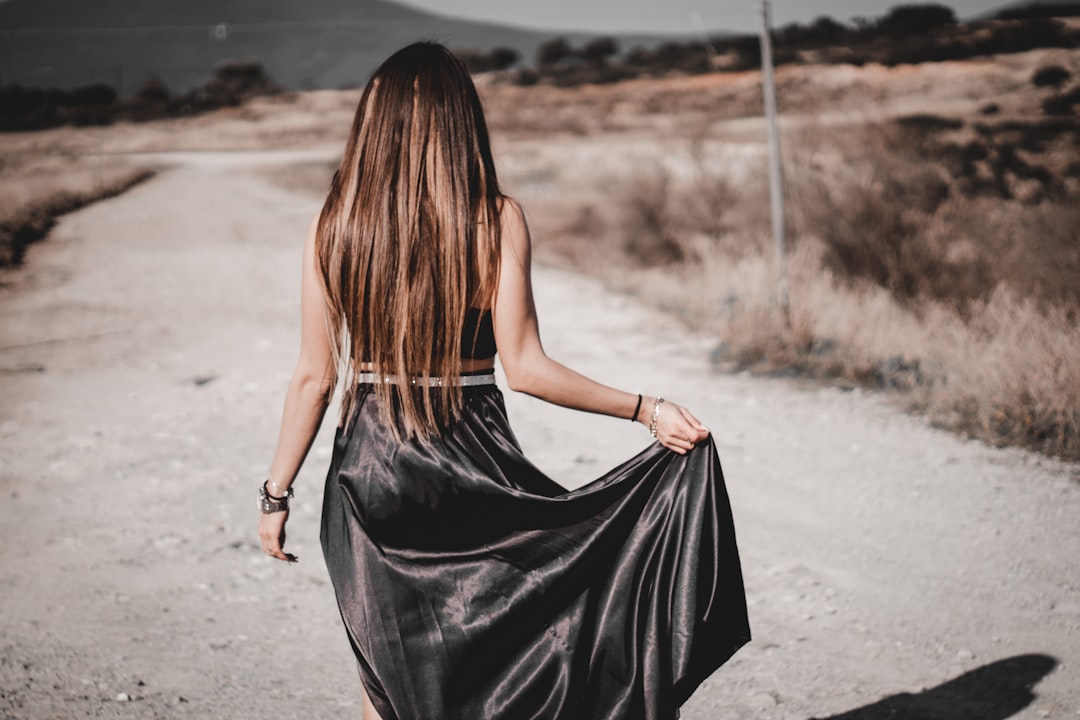
The pollera is the heart of traditional women's Cumbia attire. These wide, layered skirts—often white with colored ribbons, embroidery, or lace—are engineered to flare dramatically during spins and turns. A full performance pollera may feature multiple underskirts for volume, while a practice version might be lighter and simpler. When choosing a pollera, prioritize length (it should fall below the knee to mid-calf for most traditional styles) and fabric weight that responds well to movement without overwhelming you.
Blouses: Montunos, Camisas, and Beyond
Women's blouses in Cumbia range from off-the-shoulder peasant styles to intricately embroidered montunos, typically in bright colors that contrast with the skirt. Men's attire centers on the camisa—a loose, often white shirt paired with fitted pants—and may include a decorative sash or vest. For both, lightweight cotton or linen breathes best during high-energy performances and keeps you comfortable in warm climates.
Footwear: The Forgotten Essential
Your feet drive Cumbia's characteristic gliding step, so footwear matters more than many beginners realize. Low-heeled shoes or leather sandals with smooth soles allow the slide-and-step motion without catching on the floor. Avoid rubber-soled sneakers or anything with too much grip, which can interrupt your flow and strain your joints.
Accessories That Complete the Look
Traditional accessories add personality and cultural depth:
- Flower crowns or single hair blooms—often in bold colors matching the ensemble
- Beaded necklaces and earrings—common in Colombian folkloric styling
- Rebozos (shawls)—used for certain choreographed movements or as shoulder accents
- Hats and sashes for men—particularly in Mexican and Central American Cumbia traditions
Not every accessory is required for every occasion, but even one thoughtful piece signals respect for the tradition.
How to Choose the Right Ensemble for You
Match the Occasion
A casual social dance calls for comfort and simplicity: a flowing skirt, breathable blouse, and reliable dance shoes. A stage performance or cultural festival demands fuller skirts, more elaborate embroidery, and coordinated accessories that read clearly from a distance.
Decide Between Traditional and Modern
Some dancers commit to historically accurate reproductions; others blend traditional elements with contemporary fashion. Both approaches are valid, but know your audience and your own intentions. If you're performing at a cultural celebration, leaning traditional shows respect. For a club or fusion event, modern interpretations may feel more natural.
Consider Climate and Fabric
Cumbia is physically demanding. In hot, humid environments, prioritize natural fibers like cotton and linen. For cooler venues or outdoor evening performances, lightweight layers can keep you warm without restricting movement.
Set a Realistic Budget
Handmade traditional pieces from Colombian or Latin American artisans can cost several hundred dollars and represent genuine works of textile art. If you're not ready for that investment, affordable ready-made options are widely available through dance retailers and online marketplaces. As you progress, upgrading to higher-quality, authentic pieces becomes a meaningful way to deepen your connection to the dance.
Source With Intention
Whenever possible, seek out artisans and vendors from Colombia or the broader Latin American dance community. This supports the craftspeople who keep traditional techniques alive and helps you avoid costume-grade approximations that miss important cultural details. Look for seller backgrounds, construction quality, and accurate regional styling.
Embrace Inclusive Interpretations
Modern Cumbia welcomes dancers of all genders, body types, and identities. While traditional attire is often gendered, contemporary communities increasingly encourage personal expression that honors the spirit of the dance without rigid conformity. Wear what lets you move freely and feel genuinely