The Outfit That Changed Everything
I still remember my first belly dance class. I showed up in oversized sweatpants and a baggy t-shirt, convinced it didn't matter what I wore. Five minutes into hip circles, my waistband was sliding down and my shirt was riding up. Meanwhile, the woman next to me — in a fitted crop top and flowing harem pants — moved like water. That's when it hit me: what you wear belly dancing isn't vanity. It's function.
Dressing for the Studio
Your practice clothes need to do one thing well: get out of your way.
Breathable, stretchy fabric is non-negotiable. Cotton-spandex blends work beautifully because they move with you and don't trap heat. After twenty minutes of shimmies, you'll thank yourself for skipping that polyester top.
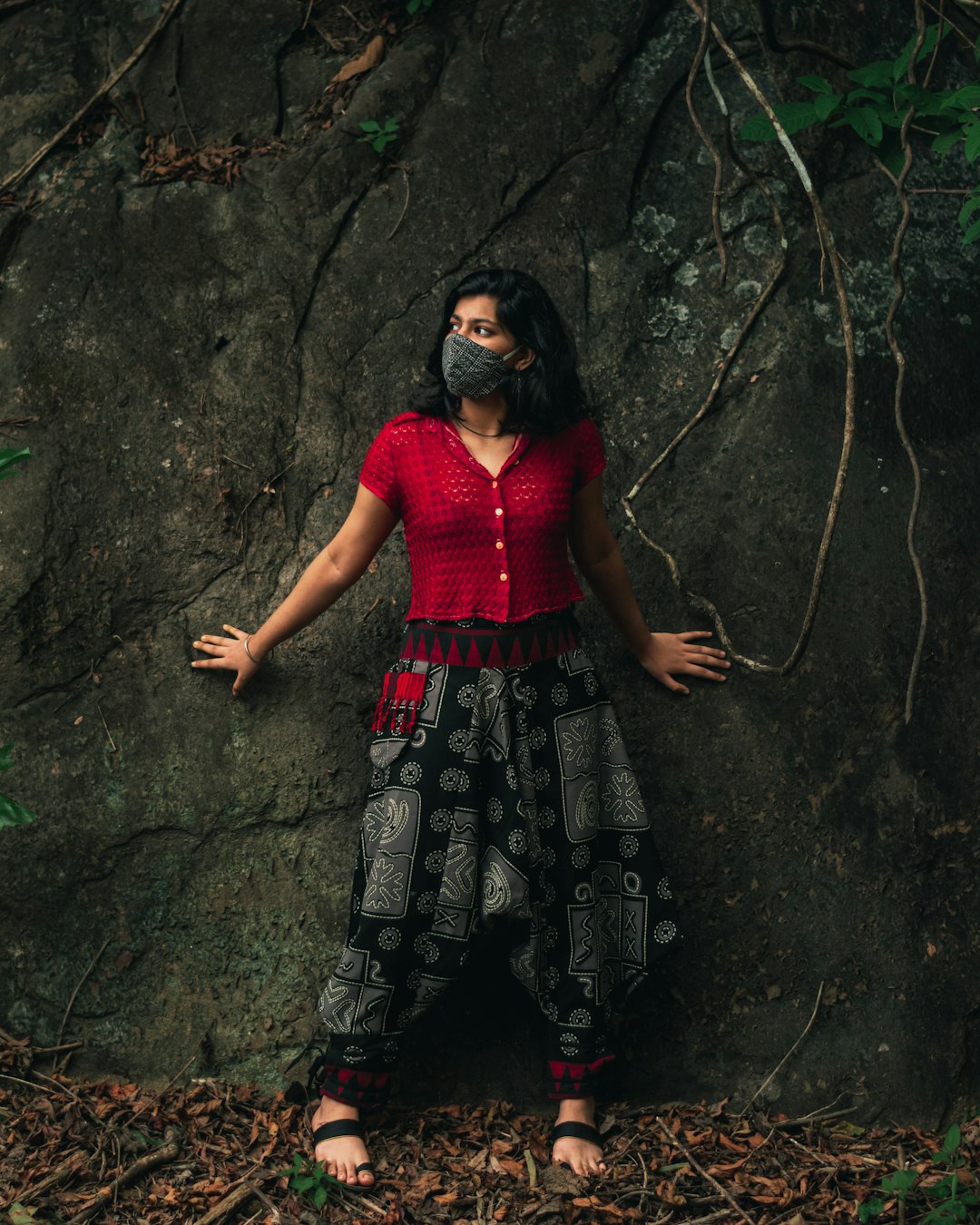
Form-fitting beats loose every time. You need to see your body — the isolations, the muscle engagement, the lines you're creating. Leggings or fitted harem pants paired with a tank or crop top let you check your form in the mirror without fabric hiding what's happening underneath.
As for feet? Barefoot is the standard for a reason. You'll grip the floor better and develop the ankle strength that makes traveling steps look effortless. Soft-soled dance shoes are fine if the studio floor is rough, but skip anything with a hard sole.
Dressing for the Stage
Stage costumes are a different animal entirely. This is where you stop being a student and become a performer.
Go bold with color. Deep reds, electric blues, rich golds — the audience is sitting rows away, and subtle pastels disappear under stage lighting. Sequins and beading aren't decoration here; they're practical. They catch light and make every shimmy visible from the back row.
Layer strategically. A hip scarf over a fitted skirt creates movement even when you're still. A choli top with an open back shows off arm and shoulder work that gets lost under a regular blouse. Each layer should add something — texture, motion, visual interest.
Accessories finish the story. A statement necklace draws the eye to your chest and shoulder isolations. Arm cuffs highlight your arm waves. A headpiece frames your face. But here's the thing: test everything before show night. That gorgeous headpiece might slide forward every time you drop your chin, and discovering that mid-performance is miserable.
Respecting Where This Dance Comes From
Belly dance carries centuries of cultural history, mostly from the Middle East and North Africa. That matters when you're picking a costume.
Learn what different garments mean. A bedlah (the two-piece costume with a decorated bra and belt) has specific roots in Egyptian cabaret style. Folkloric costumes like the baladi dress tell a different story entirely. When you understand the context, your costume choices become intentional rather than random.
Avoid treating cultural elements like a costume box to rummage through. There's a line between appreciation and appropriation, and it usually comes down to effort. Did you learn what this garment represents? Are you wearing it with skill and respect, or as a novelty?
Your personality still gets to shine. Once you've done the homework, mixing your own aesthetic with traditional elements is part of how this art form stays alive and evolving.
Looking Gorgeous on a Dancer's Budget
A professional-grade bedlah can cost hundreds. That doesn't mean you're stuck in plain black forever.
Sew your own basics. A simple circle skirt and embellished hip scarf are beginner-friendly projects, and YouTube is full of step-by-step tutorials. Raid thrift stores for stretchy skirts and bra tops you can decorate with coins, beads, or fringe from a craft store.
Rent for one-off shows. Many dance communities have costume lending circles, and online shops offer rentals at a fraction of retail. No shame in it — even professional dancers swap and borrow.
The truth is, the best belly dance outfit is the one that makes you forget you're wearing it. When your costume fits right, moves with you, and reflects who you are as a dancer, you stop thinking about fabric and start thinking about the music. That's when the real magic happens.