The Outfit That Moves With You
Picture this: you're at a cumbia night, the accordion kicks in, and the whole room starts swaying. Then someone walks in wearing a stiff polyester getup that squeaks every time they pivot. Don't be that person.
Cumbia isn't a museum piece. It's a living, breathing dance born from the collision of African drums, Indigenous flutes, and Spanish colonial influence on Colombia's coast. Your outfit should feel just as alive — rooted in something real, but completely yours.
Skip the Neutrals
Here's the thing about cumbia: the music is loud, the energy is loud, and your clothes should match. We're talking fire-engine reds, deep ocean blues, sunflower yellows, and greens so bright they almost hurt. These aren't random choices — they're the colors you'll find in traditional Colombian polleras and the skirts that swirl during Festival de la Cumbia in El Banco.
A black outfit might feel safe. It also disappears under stage lights. If you're performing or even just dancing at a crowded social, color is what makes people notice you from across the room.
Fabric That Won't Betray You Mid-Spin
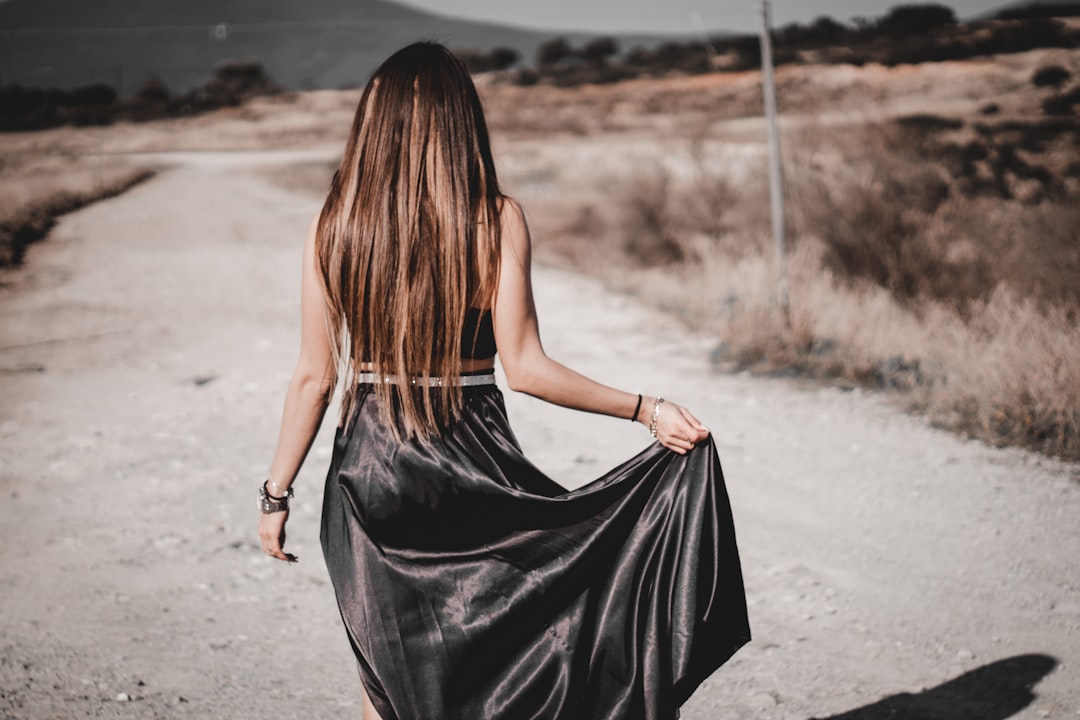
Cumbia is physical. Your hips are doing most of the work, your feet are tracing quick half-moons, and your skirt — if you're wearing one — needs to fly and settle without catching on anything. Cotton breathes. Silk moves. Lightweight polyester blends hold their shape without trapping heat.
What you want to avoid: anything heavy, anything that clings when you sweat, and anything so stiff it fights your body's natural motion. I once watched a dancer struggle through a full set in a gorgeous but rigid brocade skirt. Beautiful to look at. Miserable to dance in.
The Details That Actually Matter
Ruffles along the hem that catch air when you turn. Embroidery that tells a story — flowers, birds, geometric patterns pulled straight from Wayuu or Arhuaco textile traditions. A wide-brimmed sombrero de vueltiao tilted just right. These aren't decorations. They're the costume's soul.
Accessories can make or break the look too. Statement earrings that swing with your movement, a shawl draped over one shoulder, layered bracelets that click together rhythmically. Just don't overdo it — you're dancing, not accessorizing a mannequin.
Read the Room
A competition stage calls for full drama: elaborate skirt, coordinated top, every detail intentional. A Thursday night social at your local studio? A flowing skirt with a fitted blouse and one good piece of jewelry gets the job done. The trick is matching your outfit's energy to the event's energy without overthinking it.
Make It Yours
This is where most advice stops short. Yes, tradition matters. Yes, color and fabric matter. But the dancers you remember — the ones who actually light up a floor — they've injected something personal. Maybe it's a necklace from their grandmother in Barranquilla. Maybe it's a custom sash in their favorite shade of coral. Maybe it's the way they've tied their hair with a ribbon that matches their skirt exactly.
That personal thread is what separates a costume from a look. Find yours.
¡A bailar!