That Moment When Your Dress Becomes Part of the Dance
Picture this: you're mid-soleá, arms carving through the air, feet hammering out compás — and your skirt catches on your heel. The spell breaks. The audience blinks. You curse under your breath in Spanish.
It's happened to every flamenco dancer at least once. And it's exactly why what you wear matters more than most people realize.
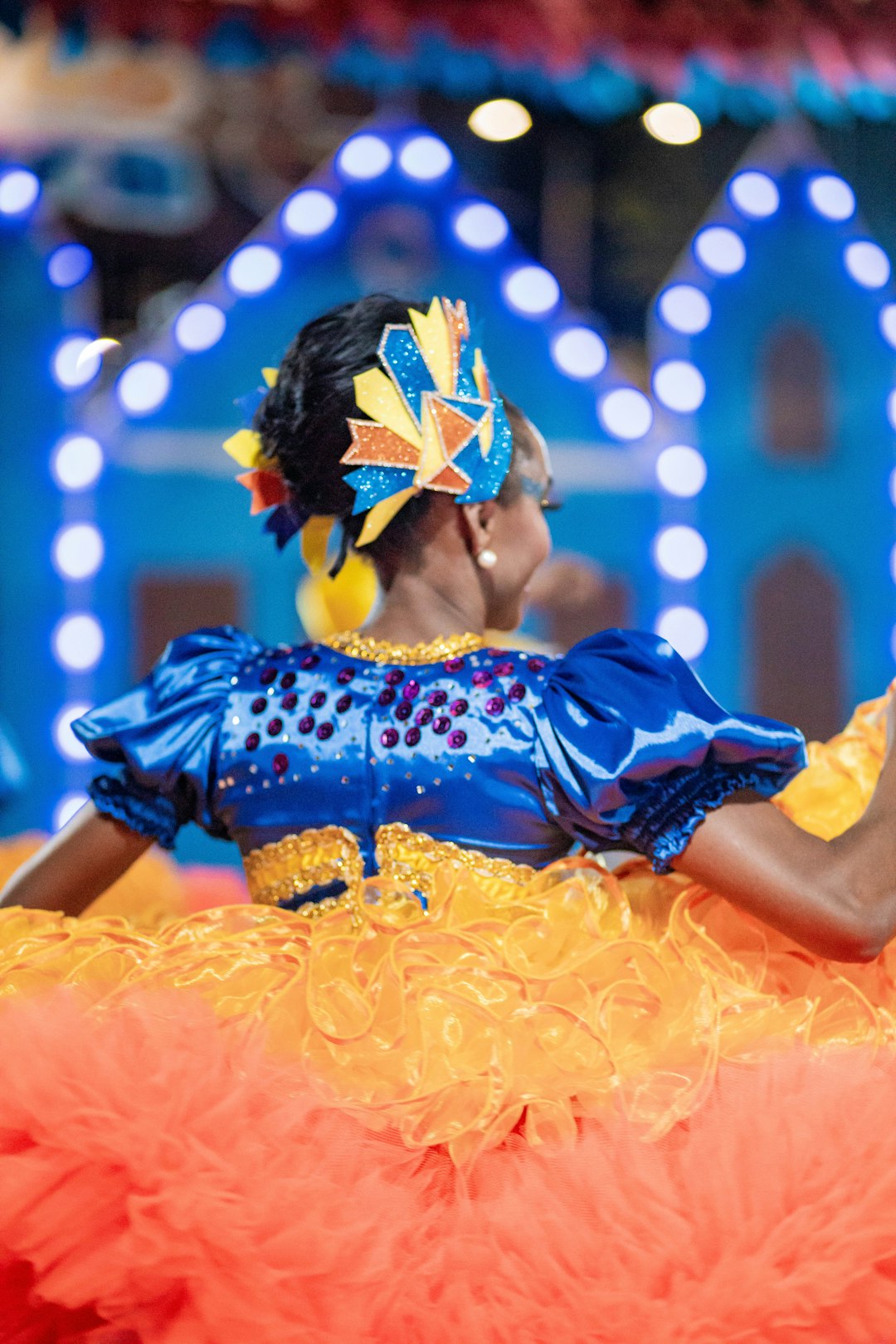
Flamenco clothing isn't decoration. It's a tool. The right outfit amplifies every zapateado, catches the light on every turn, and tells the audience something before you even open your mouth. The wrong one? It fights you all night long.
The Traje de Flamenca: Getting It Right
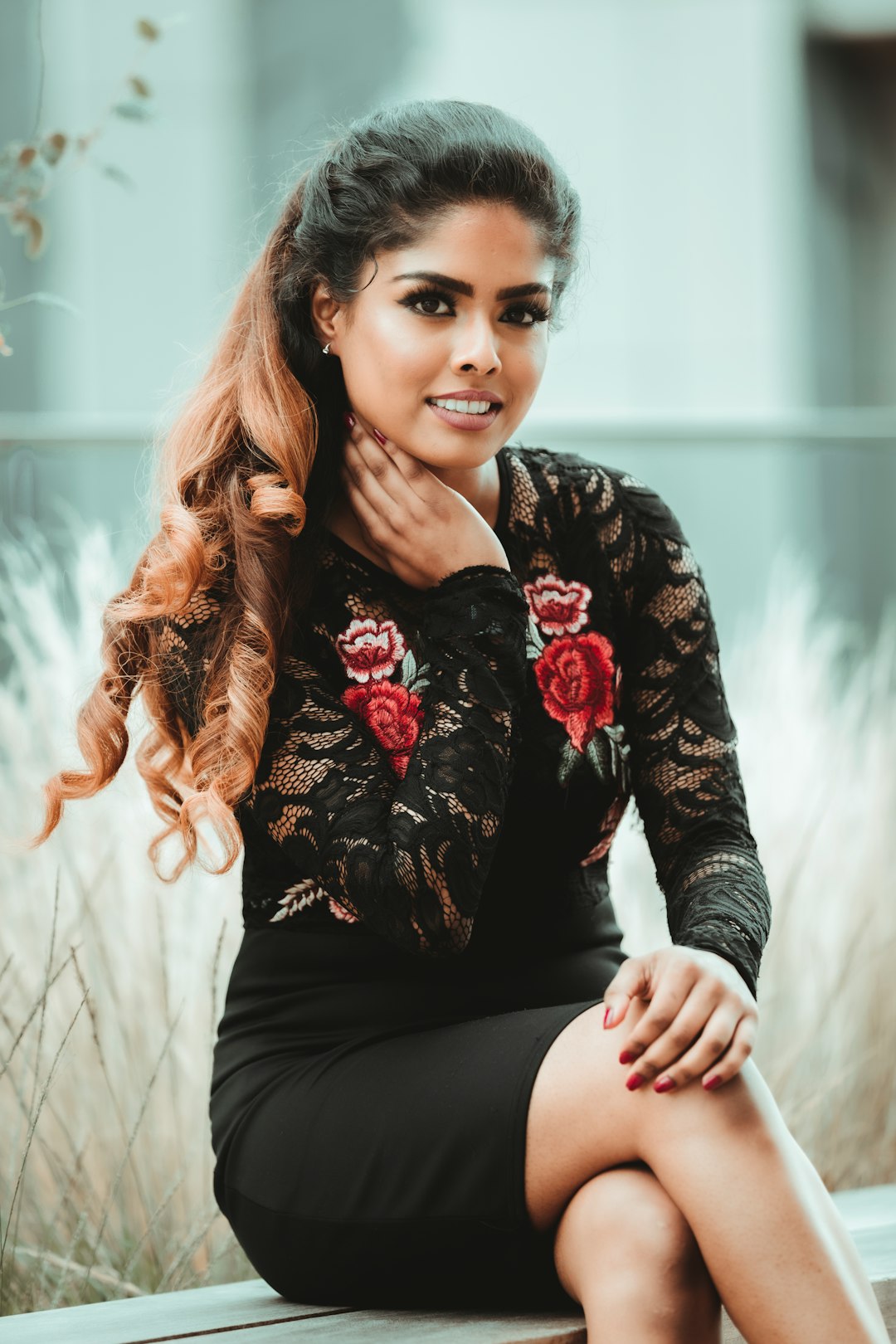
Women's flamenco fashion revolves around the iconic traje de flamenca, and picking one is trickier than it looks.
Fit is everything. You want something that hugs your torso but lets your hips swing freely. Corset-style backs are popular for exactly this reason — they give you structure up top while accommodating movement below. If you can't lift your arms above your head in the dressing room, keep shopping.
Length matters too. Traditional dresses hit just above the ankle, which shows off footwork without tripping you up. Modern performances sometimes go shorter or add asymmetrical hems, but that ankle-grazing length is classic for a reason.
And then there's color. Red and black never fail — they're dramatic, they photograph well, and they read from the back row. But don't sleep on deep greens, cobalt blues, or rich florals. The best dressers I've seen match their palette to the mood of the piece: dark and somber for soleá, bright and punchy for bulerías.
Yes, Men's Flamenco Fashion Exists (And It Matters)
Men's flamenco attire gets overlooked, which is a shame. A sharp outfit separates the amateurs from the pros just as much as clean footwork does.
A well-tailored suit — black, navy, charcoal — is your safest bet. White shirt underneath. Done. But for casual performances or rehearsals, a fitted button-up with slim trousers works perfectly. Stick to breathable fabrics. You're about to sweat through cotton like it's tissue paper, so linen blends earn their price tag fast.
Shoes deserve real attention. Leather, slight heel, snug fit. They need to handle thousands of strikes against the floor without falling apart or sliding around. Break them in before your first performance — blisters and bulerías don't mix.
Match the Outfit to the Stage
Here's where people overthink it. A tablao performance calls for traditional looks: long dresses, muted accessories, classic silhouettes. A contemporary flamenco piece? You can push boundaries — modern cuts, geometric patterns, unexpected textures. Fusion shows practically beg you to experiment.
The rule of thumb: your outfit should feel like it belongs in the same universe as the music and choreography. If the guitarist is playing a raw seguiriya, leave the neon pink at home.
Spend Money Where It Counts
Quality flamenco clothing isn't cheap. A decent traje de flamenca runs several hundred euros, and custom pieces go much higher. But cheap fabric pills, stretches out, and looks lifeless under stage lights. Good fabric moves with you, catches the light, and survives years of performances.
Buy fewer pieces and make them count. One stunning dress beats five mediocre ones hanging in your closet.
The Confidence Factor
At the end of the day, the best flamenco outfit is the one that makes you forget you're wearing it. When your dress flows exactly where you want it to, when your shoes strike clean, when every accessory feels intentional — you stop thinking about clothes and start dancing with abandon.
That's when the real magic happens. That's when the audience holds their breath.
Now go find your dress.