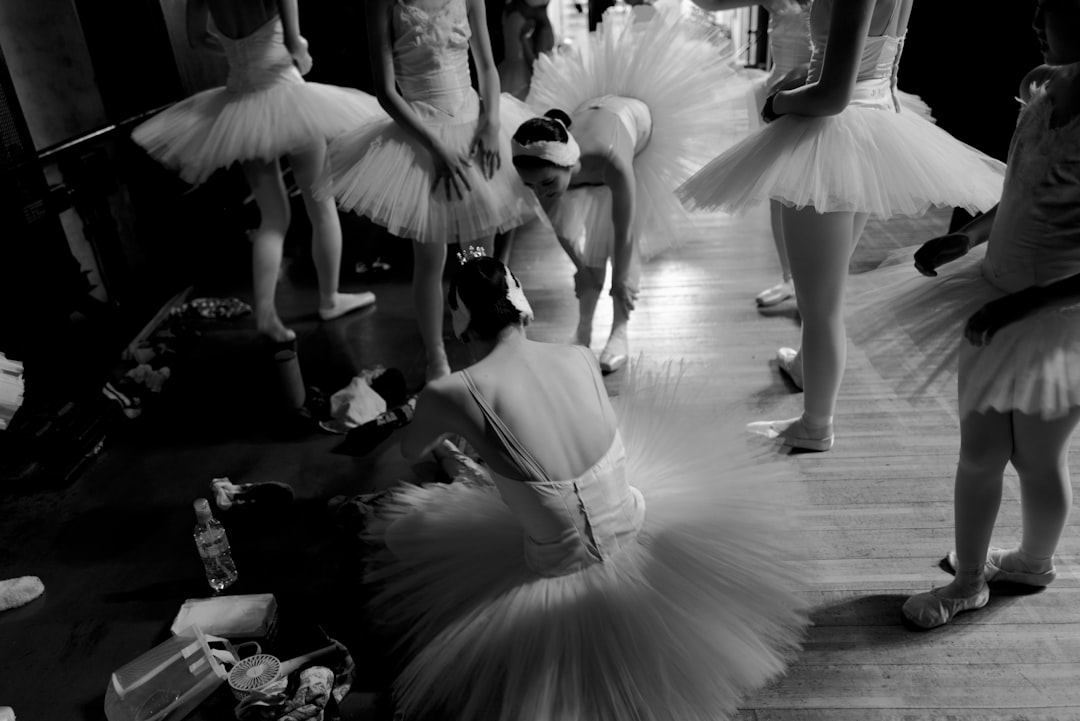
The wrong leggings will betray you in a développé à la seconde. In contemporary dance, your attire isn't just about looking the part—it's functional equipment that affects how instructors see your alignment, how partners can grip your limbs, and whether you can slide seamlessly from standing to floor work. Here's what contemporary dance attire actually requires, and why the generic "athleisure" approach often fails.
First, Know Your Context: Class vs. Rehearsal vs. Performance
Contemporary dance operates across three distinct environments, each with different wardrobe demands.
Class prioritizes visibility and versatility. Instructors need to see muscle engagement and joint alignment. You'll transition quickly between standing, floor, and aerial work.
Rehearsal demands durability and consistency. You're repeating phrases dozens of times, often on unforgiving surfaces. Your clothes must survive friction, sweat, and partner contact without shifting or failing.
Performance is where costuming diverges radically. Choreographers may specify nude-toned attire, specific colors for lighting design, or conceptual garments that restrict movement intentionally. This guide focuses on class and rehearsal wear—the foundation of your dance wardrobe.
Tops: Building Your Upper Body Foundation
The Base Layer
Start with form-fitting, sleeveless or short-sleeve tops in moisture-managing fabrics. Synthetic blends (polyester-spandex or nylon-spandex) or bamboo-derived fabrics wick sweat and recover their shape. Avoid 100% cotton for intense sessions—it absorbs moisture, becomes heavy, and loses structure when saturated.
Pro tip: Pack two tops. The first will be sweat-soaked by center floor.
Layering Strategy
Studio temperatures fluctuate wildly. A lightweight, breathable long-sleeve layer allows quick adjustment without interrupting class flow. Choose thumb-hole designs for arm coverage that stays put during floor work. Remove layers before partnering—excess fabric creates slipping hazards when gripping wrists or shoulders.
The "Contemporary Look"
Contemporary dance favors neutral palettes: black, charcoal, gray, earth tones. This isn't mere aesthetics—choreographers and instructors need to see line and form without visual distraction. Many professional settings enforce an unspoken "no logos" rule. Save the bold brand statements for the gym.
Bottoms: Leggings, Shorts, and the Barefoot Reality
Leggings and Tights
High-waisted, full-length leggings dominate contemporary practice for good reason. They provide compression support, stay put through inversions, and protect legs during floor work. Look for gusseted crotches (for range of motion) and flatlock seams (to prevent pressure marks when lying on your side or back).
For those who prefer tights, convertible styles allow quick transitions between covered and bare feet. Tights with built-in liners offer additional support, though many dancers layer shorts over tights for modesty during partnering.
Shorts and Alternatives
Biker shorts or fitted dance shorts work well for intensive floor work or hot studios. They eliminate fabric bunching behind knees—a common distraction in floor sequences. However, bare legs increase friction burn risk on marley floors. Consider knee pads or leg warmers for protection.
Body Inclusivity and Gender-Neutral Options
Contemporary dance welcomes all bodies and gender expressions. Dancers with larger chests may prefer compression tops or built-in shelf bras. Those with sensory sensitivities should seek tagless, flat-seam construction. Male and non-binary dancers increasingly wear leggings and fitted tops without layered shorts—choose what supports your movement, not outdated conventions.
Feet: Bare, Covered, or Shod?
Contemporary dance's relationship with footwear is complex and technique-specific.
Barefoot Technique
Many foundational contemporary styles—Graham, Cunningham, release-based work—are practiced barefoot. This demands foot conditioning. Build calluses gradually; sudden intensive barefoot work causes blisters and splits that sideline you for weeks.
Protection options:
- Foot undeez/lyrical shoes: Minimal coverage for pivot points, preserving foot articulation
- Toe pads: Cushion for repeated floor contact
- Toe tape: Prevents splits between toes during friction-heavy sequences
When Shoes Matter
Percussive contemporary, commercial styles, or outdoor performances may require footwear. Prioritize:
- Split-sole canvas jazz shoes: Preserve arch flexibility and ground sensitivity
- Contemporary sandals: Protect against floor burns while maintaining foot visibility
- Non-marking soles: Essential for studio floors; verify before purchase
Avoid traditional ballet shoes for contemporary technique—the structured toe box and heel counter restrict the foot articulation contemporary dance demands.
Fabric Science: What Actually Performs
| Property | Why It Matters | Look For |
|---|---|---|
| Moisture-wicking | Prevents chills, reduces weight gain from sweat | Polyester, |


