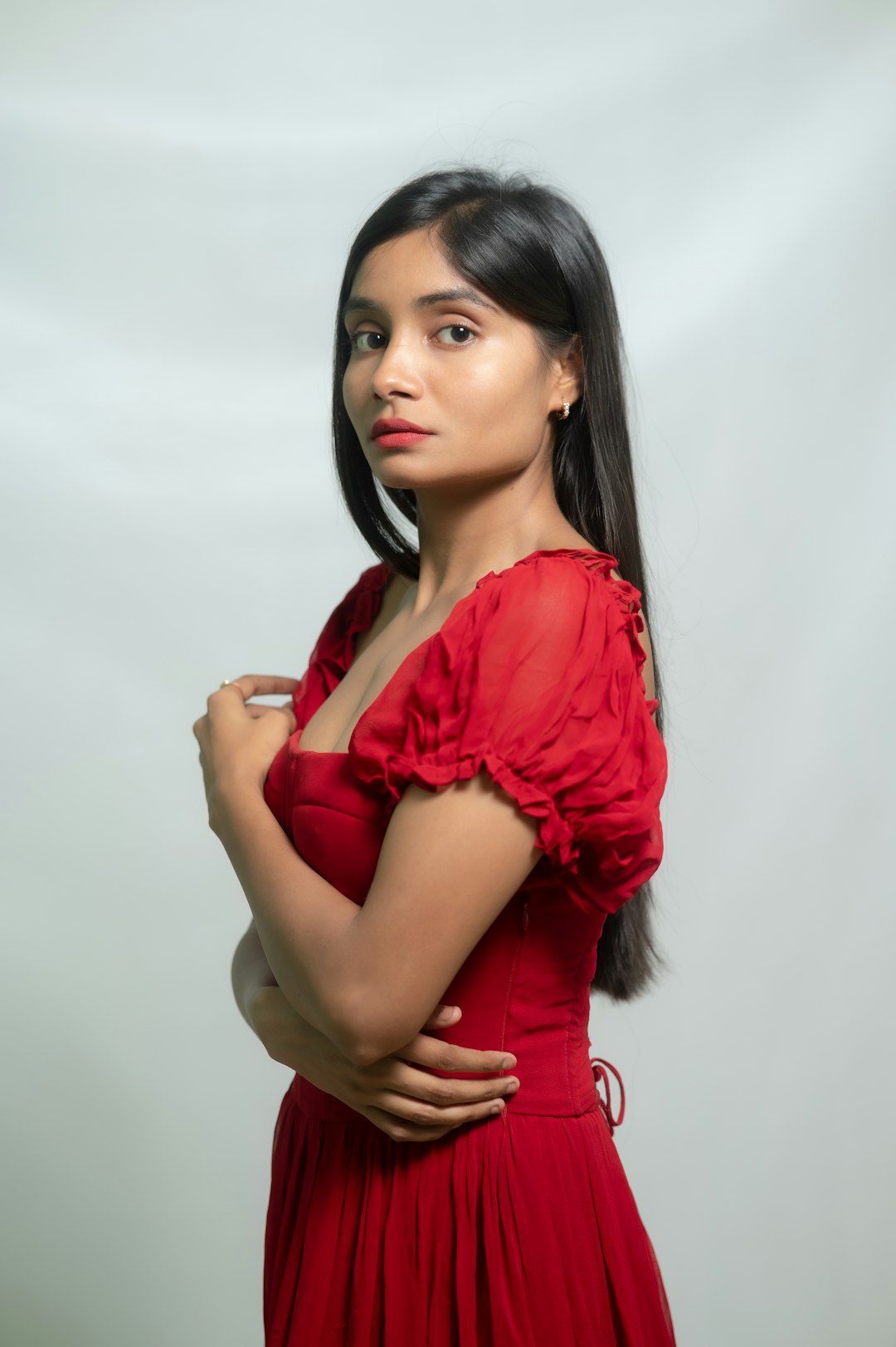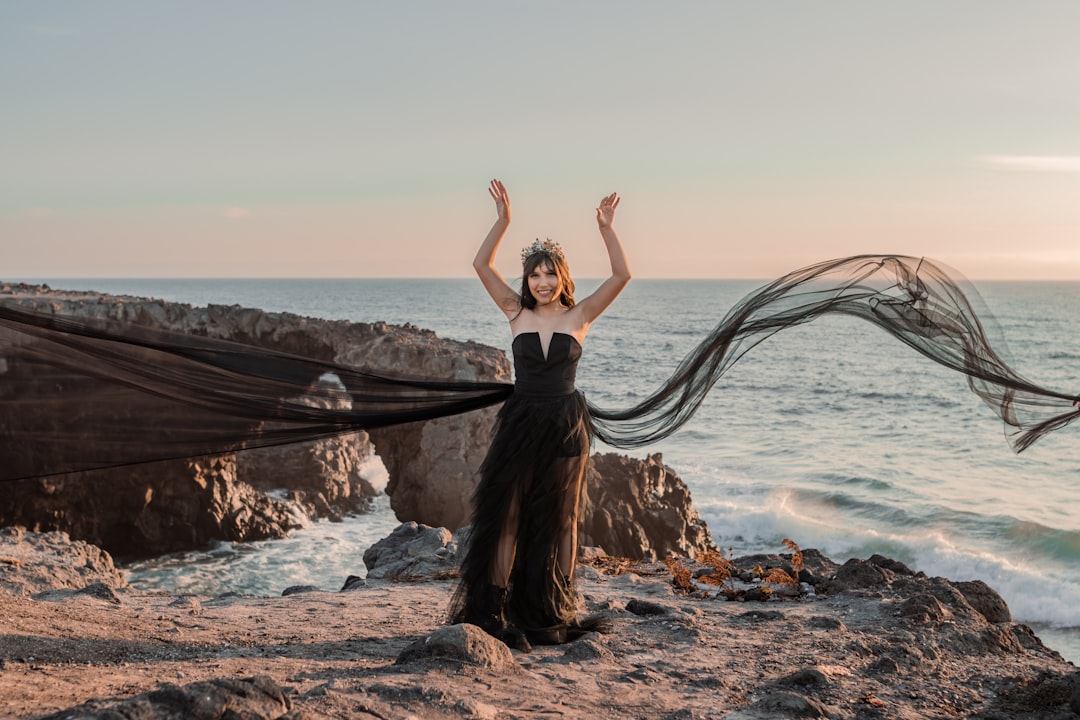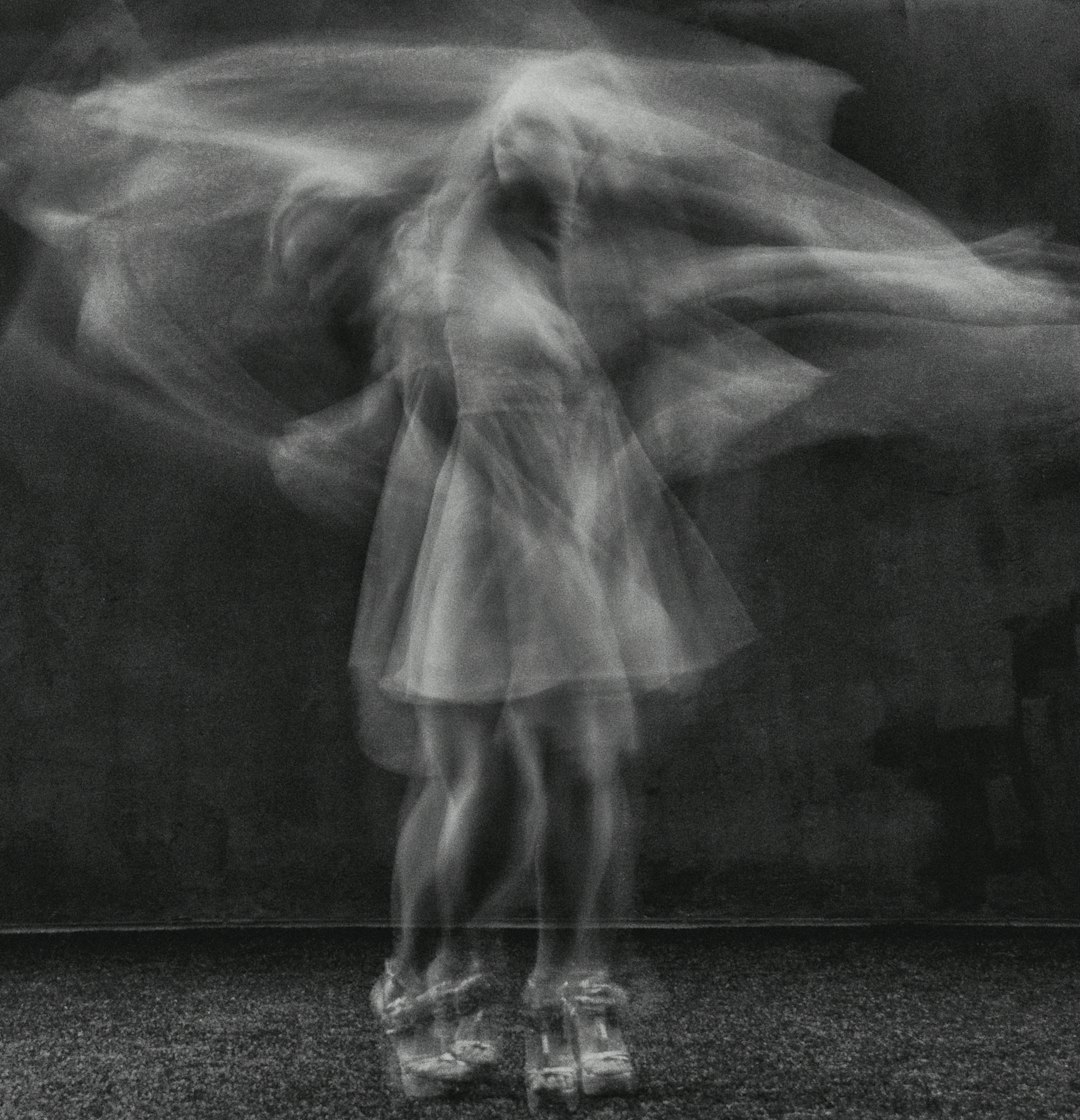
The costume is your first movement. Before you step into the light, before the first note sounds, your audience sees fabric, silhouette, color—and begins reading your performance. Yet too many dancers approach contemporary dance attire as an afterthought, grabbing familiar blacks from their drawer without considering how those choices shape both their dancing and how it's received.
Contemporary dance occupies a unique space: it demands the technical precision of classical training while embracing the raw, individual expression of modern aesthetics. Your clothing must serve both masters—supporting your fullest range of motion while communicating artistic intent. This guide moves beyond generic lists to address the nuanced realities dancers face across three critical contexts: rehearsal, audition, and performance.
The Rehearsal Process: Building the Work
Rehearsal clothing serves a purpose distinct from performance wear. Choreographers need to see the body—not just its lines, but its weight shifts, its breath, its relationship to gravity.
Build a Rehearsal Wardrobe That Translates
Smart dancers curate rehearsal clothes that approximate their final costume's silhouette. If you'll perform in flowing wide-leg pants, rehearse in similar cuts so your choreographer can visualize the work's spatial architecture. If your final look involves bare shoulders, remove layers during later rehearsals so arm connections and port de bras read clearly.
Practical recommendations:
- Form-fitting base layers: Tank leotards or fitted tees in solid colors that don't compete with your movement
- Versatile bottoms: Convertible leggings that can roll to capri length, plus one pair of loose-fitting pants for floor-work-heavy rehearsals
- A "neutral plus" palette: Charcoal, deep plum, sage, and navy photograph better than harsh black under fluorescent studio lights and flatter more skin tones
The Sweat Factor
Contemporary rehearsal is physically relentless. Choose moisture-wicking technical fabrics over cotton, which becomes heavy and transparent when saturated. Pack a second base layer for long rehearsals—damp clothing restricts movement and risks muscle cooling.
The Audition: Being Seen Clearly
Audition panels make decisions in seconds. Your clothing should eliminate distractions, not create them.
The Visibility Imperative
Choreographers need to assess your technique immediately. This means:
- No busy patterns that obscure alignment and muscle engagement
- No competing necklines that draw the eye away from your shoulder girdle and port de bras
- No "audition black" by default—while safe, it can render you invisible in a sea of similar bodies
Instead, choose a signature color that complements your skin tone and reads well under studio lighting. Test it: stand against a mirror and execute a full cambré back. Does your top stay in place? Does the color remain vibrant or flatten to mud?
Fit for Function
Audition clothing must survive unpredictable combinations. You might be asked to improvise on the floor immediately after a traveling phrase. Test your outfit's security:
- Jump repeatedly—does your waistband shift?
- Execute a deep second position lunge—does your top ride up?
- Roll across the floor—do any seams dig or restrict?
Bring a backup. Wardrobe malfunctions happen; preparedness signals professionalism.
Performance: Where Intent Meets Practicality
Performance attire operates at the intersection of artistic vision and technical demand. Here's how to navigate that complexity.
The Lighting Test: Non-Negotiable
Stage lighting transforms fabric. What appears modest in fluorescent dressing rooms becomes transparent under hot gels. What reads as cream becomes blinding white. What seems like subtle nude mesh disappears entirely—or reads as exposed skin.
Before finalizing any costume:
- Request a lighting session with the designer, or simulate with strong directional light
- Test from the audience perspective, not just the mirror
- Move through your full vocabulary—certain angles reveal what standing still conceals
Color-specific cautions:
- Pure white reflects intensely and can "blow out" on video
- Certain reds turn muddy brown under warm gels
- "Nude" mesh and linings match few actual skin tones—consider whether transparency serves your artistic goals or creates unintended exposure
Body, Movement, and Exposure
Contemporary dance often deliberately explores vulnerability, exposure, and the politics of who gets to occupy space how. The question isn't "how much skin is too much?" but rather "what does this exposure communicate, and to whom?"
Consider your audience and artistic intent. A backless leotard may be essential for a piece exploring trust and fragility; the same garment might feel gratuitous in a family matinee. Discuss boundaries with your director early. Always have a "coverage option" available—venue requirements change, and artistic contexts shift.
For dancers across body types and gender presentations, "revealing" carries different cultural weight. Advocate for costume choices