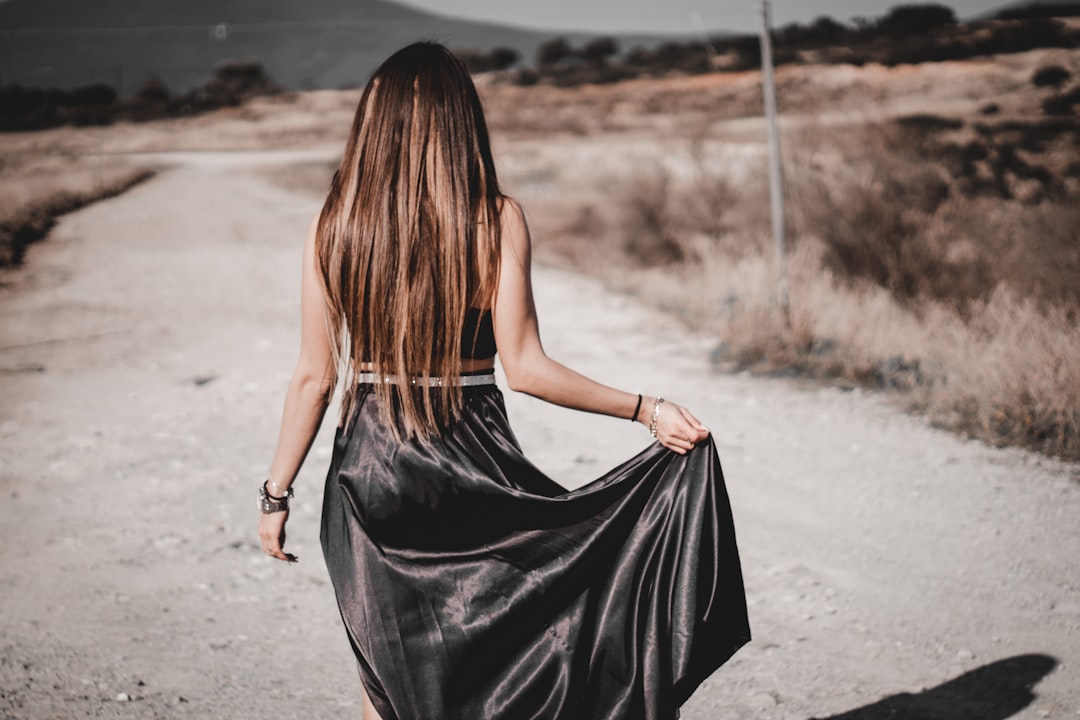
The first time Maria Elena Vargas took the stage at Barranquilla's Carnival, her pollera colorá—the iconic red-pleated Cumbia skirt—spun so wide it brushed the front row. That dramatic flare isn't just tradition; it's technique. Whether you're stepping into your first beginner class or preparing for a cultural performance, what you wear shapes how you move in Cumbia.
This guide breaks down everything you need to know about Cumbia dance attire, from the sliding footwork that dictates your footwear to the regional traditions that influence modern style.
Understanding Cumbia's Two Worlds
Before selecting your outfit, recognize that Colombian folkloric Cumbia and modern social Cumbia demand different approaches. Traditional performances preserve centuries-old coastal heritage with specific, symbolic garments. Social dancing—whether in Mexico City clubs or Argentine bailantas—prioritizes movement and personal expression.
Your attire choice should match your context. Showing up to a folkloric workshop in gym shorts signals disrespect; wearing full traditional dress to a casual social dance looks out of place and restricts your movement.
1. Master the Footwork-First Shoe Strategy
Here's where many beginners stumble. Cumbia's signature arrastre—a dragging, sliding step where one foot glides behind the other—requires footwear that moves with the floor, not against it.
For Traditional/Folkloric Cumbia
- Barefoot or simple leather sandals for authentic coastal style
- Soft-soled practice shoes with minimal grip when learning technique
For Modern Social Dancing
- Women: Character shoes or ballroom heels with 1.5–2 inch heels and suede soles (brands like Capezio or Very Fine offer solid entry-level options)
- Men: Flexible leather oxfords or dance sneakers with suede sole overlays
- Everyone: Avoid rubber-soled sneakers entirely—they stick to the floor, forcing you to lift rather than slide, which strains knees and destroys your timing
Pro tip from instructors: Tape the soles of regular shoes with masking tape for your first few classes. If you love the dance, invest in proper footwear.
2. Dress for Movement, Not Just Appearance
Cumbia demands freedom through the hips and knees. Your clothing should reveal or accommodate this motion without restricting it.
Fabric Choices That Actually Work
Contrary to generic advice, cotton and linen aren't ideal for sustained dancing. They absorb sweat, become heavy, and restrict stretch. Instead, prioritize:
- Polyester-spandex blends (moisture-wicking, four-way stretch)
- Lightweight rayon for flowing skirts that maintain movement
- Breathable mesh panels in fitted tops
Silhouette Guidelines by Gender
| Dancer | Recommended Fit | Why It Matters |
|---|---|---|
| Women | Fitted top + flowing or fitted bottom | Shows torso isolations; skirt movement accentuates the dance |
| Men | Fitted shirt + pants with stretch through thighs | Allows deep knee bends and quick direction changes |
3. Honor Tradition Without Appropriation
Cumbia's visual culture carries deep meaning. Understanding it enriches your dancing and shows respect.
Women's Traditional Elements
- The pollera: Long, voluminous skirt, historically white with colored polka dots (red, yellow, blue), representing the fusion of Indigenous, African, and Spanish cultures
- Off-shoulder blouses (blusas) with lace or embroidery
- Flower crowns (tocados) symbolizing fertility and celebration
Men's Traditional Elements
- White cotton shirt and pants representing purity and the coastal heat
- Red sash (faja) tied at the waist
- Traditional hat (sombrero vueltiao for Colombian styles)
Modern Interpretations
For social dancing, incorporate inspired elements rather than full traditional dress:
- A flowing skirt with shorts underneath (practical for spins)
- A single bold accessory: a flower in your hair, a bright belt, embroidered earrings
- Color palettes drawn from coastal Colombia: coral, turquoise, sunflower yellow, crisp white
4. Match Your Attire to the Occasion
| Scenario | Suggested Approach | Key Details |
|---|---|---|
| First beginner class | Fitted t-shirt, leggings or dance pants, socks or soft ballet flats | Allows instructor to see alignment; easy to modify |
| Weekly social dance (modern style) | Flowing skirt with shorts underneath OR fitted pants, character shoes with suede soles, breathable top | Prioritize comfort for 2-3 hours of dancing |
| Cultural festival or performance | Authentic folkloric rental |