Cumbia's infectious rhythm has traveled far from its Afro-Indigenous roots on Colombia's Caribbean coast, evolving into distinct regional styles across Latin America. Whether you're learning social cumbia in a local studio or performing traditional Colombian cumbia de gaita in full costume, your dancewear should honor the style you're dancing — while letting you move freely.
The right outfit doesn't just complete the look; it transforms how you feel on the dance floor. A twirling skirt that catches air during a turn, shoes that grip just enough to let you glide, and breathable fabrics that keep you cool through an hour-long set — these details turn good dancing into unforgettable dancing.
Understanding Cumbia Dancewear: One Dance, Many Styles
Before you start shopping, it's worth recognizing that "cumbia dancewear" means different things depending on where and how you dance. The flowing polleras of coastal Colombia, the sequined show costumes of Mexican cumbia sonidera, and the relaxed leggings of a Tuesday-night dance class all serve the same rhythm — but they serve it differently.
Traditional Colombian Cumbia
As the birthplace of cumbia, Colombia maintains the most formal and historically rooted dance attire.
For women: Long, layered polleras — typically white or in vivid colors — are the centerpiece. These wide skirts are worn with off-the-shoulder blouses, often trimmed with lace or embroidery. The look emphasizes the sweeping, circular movements that define the dance.
For men: White linen trousers, a white camisa de lienzo (linen shirt), a red faja (sash) around the waist, and the iconic black-and-white sombrero vueltiao complete the traditional ensemble. This attire reflects the dance's Indigenous and colonial heritage.
Mexican Cumbia (and Cumbia Sonidera)
In Mexico, cumbia has blossomed into multiple subgenres with costumes designed for maximum visual impact. Outfits often feature form-fitting silhouettes, heavy sequin work, fringe, and bold color blocking. Stage performers under bright lights favor fabrics that shimmer and catch every movement.
Social and Studio Cumbia
For classes, social dances, and casual events, practicality wins. Breathable leggings or palazzo pants, fitted tops that won't ride up, and comfortable footwear are the norm. The goal is freedom of movement without sacrificing personal style.
Key Features to Look for in Cumbia Dancewear
No matter which cumbia style you pursue, certain principles apply across the board:
- Comfort: Prioritize breathable, moisture-wicking fabrics — especially cotton, linen, or lightweight performance blends. Avoid anything too tight around the waist or thighs, as cumbia involves repeated bending, stepping, and turning.
- Movement: Skirts should be lightweight enough to twirl; pants should offer stretch or a wide leg. Test your range of motion before committing to an outfit.
- Style: Bright colors, bold patterns, and festive details like ruffles, embroidery, or sequins reflect cumbia's celebratory spirit. Let your personality show.
Types of Cumbia Dancewear
Skirts and Pants
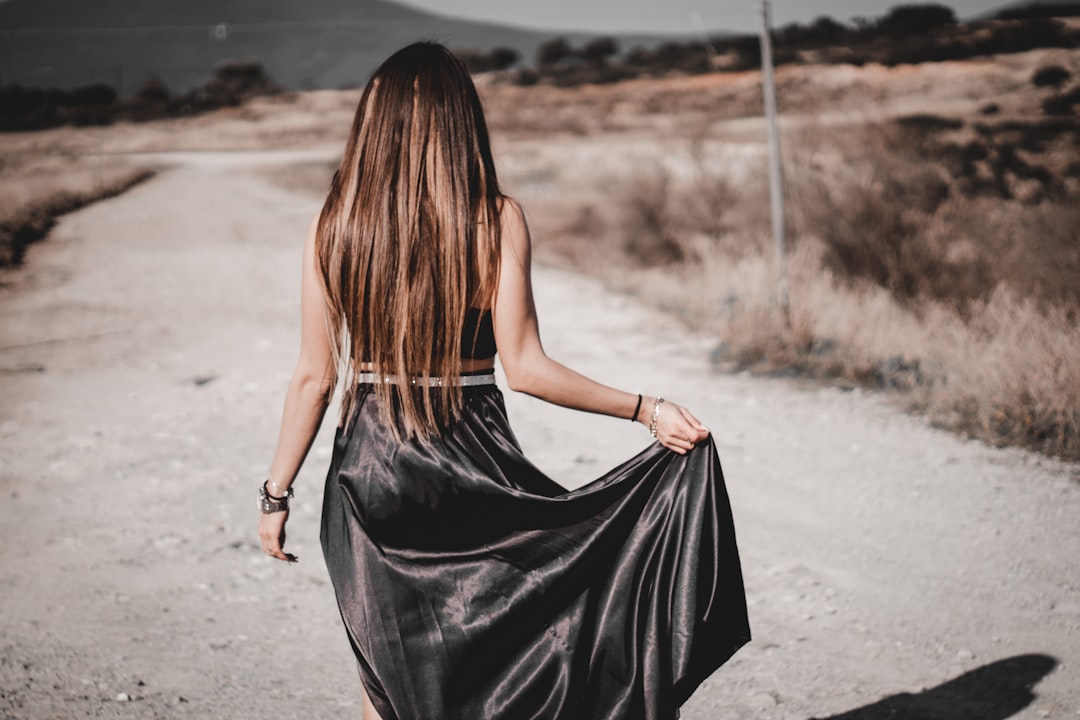
Long, flowing skirts remain a staple for traditional and performance cumbia. Look for fabrics with body and movement — organza, chiffon, or layered cotton — that respond beautifully to turns without weighing you down.
For men and social dancers: Palazzo pants, lightweight trousers, or stretchy joggers offer coverage and mobility. In traditional Colombian settings, men should seek crisp white linen or cotton trousers that hold their shape.
Tops
Women's tops should complement the bottom half without competing for attention. Fitted blouses, off-the-shoulder styles, or cropped tops work well. Men can opt for fitted button-downs, traditional linen shirts, or breathable performance tees depending on the setting.
Shoes
Footwear is where regional context matters most.
- Traditional Colombian cumbia: Dancers often perform barefoot or in simple leather sandals, reflecting the dance's coastal, working-class origins.
- Mexican and stage cumbia: Heeled dance boots or character shoes with smooth soles allow for controlled slides and sharp footwork.
- Social dancing and classes: Dance sneakers, jazz shoes with suede soles, or even clean-soled street shoes work fine. Avoid rubber soles that grip too aggressively and jar your knees during turns. If you dance primarily on concrete or outdoor surfaces, opt for sturdier leather soles with a bit more protection.
Tips for Selecting Your Cumbia Dancewear
Try Before You Buy
Always test dancewear with actual movement. A skirt that looks stunning in a mirror may tangle between your legs during a fast vueltiao. A top that fits perfectly standing still may shift uncomfortably after five minutes of arm work.